
Contents
- Why a Houston Bar Changes the Bottle Before the Syrup
- The Fat That Survives the Filter
- What Peel, Herb, and Spice Pull Into Spirit
- Chilling Browned Butter Out of Whiskey
- Steeping Botanicals Without Smothering the Base
- Wash, Infusion, or the Spirit Left Alone
Why a Houston Bar Changes the Bottle Before the Syrup
A quieter, lightly infused spirit can make a bolder cocktail than another layer of syrup.
In a Houston fine-dining bar, sweetness and weight are often already correct. The drink still lacks a line of character the guest can follow from nose to finish. Adding another modifier crowds the glass. It raises sugar, thickens the pour, and asks the palate to sort one more ingredient. Changing the base spirit adds flavor while the recipe stays spare.
Fat-washing puts a culinary fat in contact with alcohol so fat-soluble aroma and a rounded mouthfeel move into the spirit. Botanical infusion uses plant material to direct aroma and taste. Both methods work by restraint. Over-contact, leftover oil, or a mixed pile of herbs can bury the bottle the guest came to drink.
Taste Before Syrup
For a trial built around 45–60 mL of base spirit, taste the drink before adding another 5 mL of syrup. That small addition changes sweetness as well as flavor. A 250 mL trial infusion is enough to judge the result in a finished cocktail without committing a full service bottle.
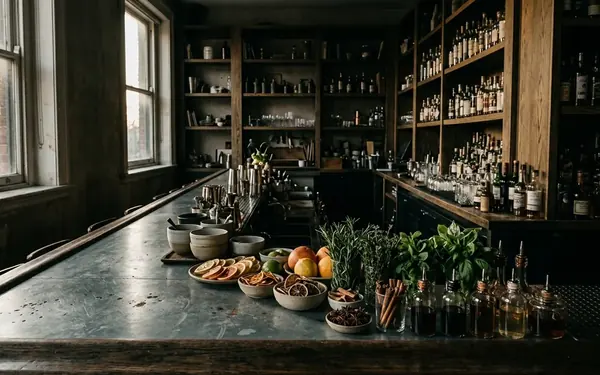
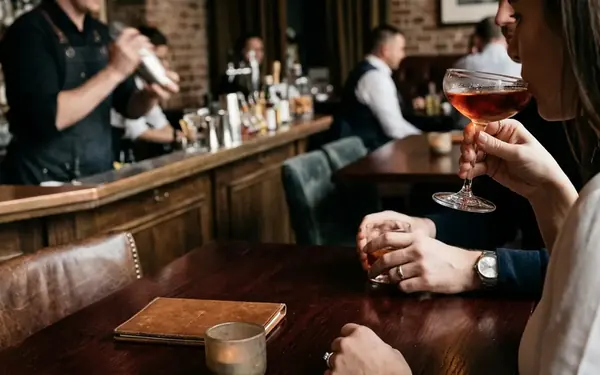
Local bar culture puts that choice next to a plate. Dinner pairings decide whether the spirit should carry a savory roundness or a precise aromatic line. The lounge atmosphere then asks the same bottle to behave at the second round as it did at the first.
The Fat That Survives the Filter
Contact with a culinary fat transfers flavor compounds into spirit. Chilling firms the fat. Filtering lifts the bulk away. Fat-derived compounds can remain after that step. The bartender is choosing what stays in the glass, not pretending the spirit returns to its original state.
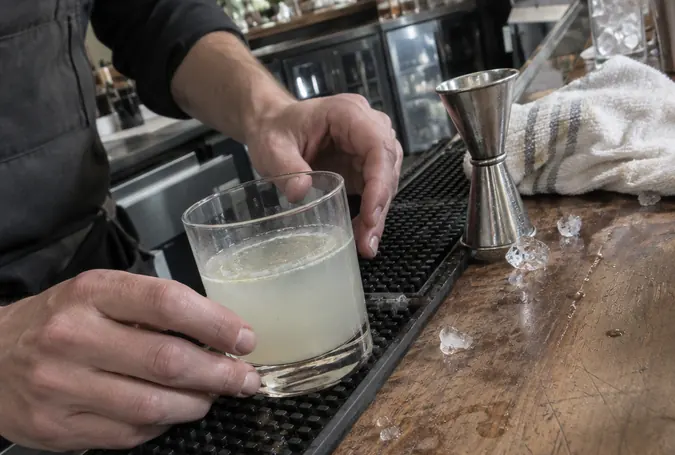
A silky impression on the palate is the intended result. An oily surface, cloudiness, or a greasy finish is a different outcome. Fat-washing does not always produce a clear drink. Appearance after filtration is a check, not a guarantee of texture.
Pairings are specific. Browned butter with whiskey contributes toasted, nutty aroma and a rounded palate. Coconut oil with rum contributes a softer coconut accent. Those fats are not interchangeable tools. Each points the spirit toward a different savory or tropical line, and each must fit the cocktail the bar intends to serve.
A manageable whiskey trial pairs 500 mL of whiskey with 15–25 g of browned butter, cooled before it meets the spirit. A separate rum trial starts with 10–20 g of food-grade coconut oil per 500 mL. Record both amounts. The later cocktail will only be as controlled as that first ratio.
Butter Still Travels
A clear, cold-filtered fat wash can still carry an allergen or a food-handling problem. Appearance is not the release test for a lounge pour. Label the vessel, keep the fat food-safe, and treat the washed spirit as a prepared food, not as a decorative bottle.
What Peel, Herb, and Spice Pull Into Spirit
Alcohol and water extract different aromatic and bitter compounds from a botanical. Spirit strength, the size and preparation of the ingredient, temperature, and contact time therefore shape the result. Thin citrus peel or a delicate herb may announce itself before a spice or root reaches the intended depth. Steeping them together can leave the latter muted while the former turns harsh.
Work from first principles. The solvent pulls what it can dissolve. A larger surface area speeds that pull. Heat accelerates it. Time extends it. The bartender who changes one of those variables at a time can hear which note arrived and which note overstayed.
Peel first, then spice
In a 250 mL trial, use a measured 1–2 g of thin citrus peel with the white pith excluded, and begin tasting at 10–15 minute intervals. For a separate spice trial in 250 mL of spirit, begin with one lightly cracked culinary cardamom pod and check at 30–60 minute intervals. Those tasting intervals are checkpoints, not universal steeping times: extraction changes with the ingredient, its cut, and the spirit.
A tasting order that holds
Identify the aroma first. Next, assess bitterness and astringency. Then ask whether the infusion still suits the base spirit. If the peel has gone pithy, or the cardamom has turned soapy, the infusion has already passed the point where it will sit cleanly in a craft cocktail. Strain at the first clear reading of the intended note, while the spirit still sounds like itself.
Chilling Browned Butter Out of Whiskey
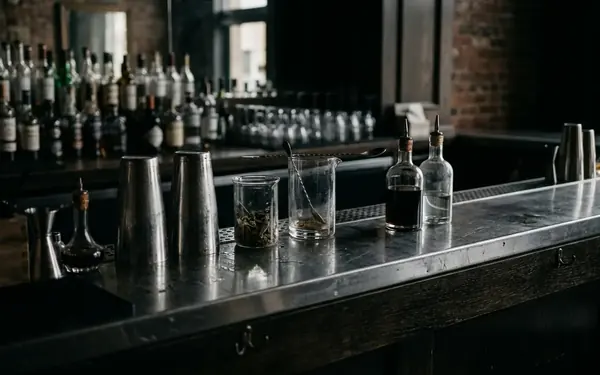
Choose a compatible spirit and a food-safe fat. Record both amounts. Combine them in a clean, covered container. After brief, controlled contact, chill the mixture until the fat firms. Lift off the cap and filter the cold spirit.
For a 500 mL trial with 15–25 g of cooled browned butter, mix for 10–15 minutes, then chill promptly. Allow roughly 4–8 hours in a freezer for the fat to firm, checking the container rather than relying on the clock. Pass the cold spirit first through a fine strainer and then through a paper filter. Inspect a small sample again after mixing it with ice.
Strain Then Paper
A second fine filtration may improve appearance. Clarity alone establishes neither safety nor quality. The bartender still checks aroma, surface sheen, and sediment, then tastes the washed spirit once it has been diluted as it will be in service.
After filtering, the checks are practical. Does the aroma still read as toasted butter rather than stale fat? Does the surface show a sheen that will look oily in a coupe? Is there sediment that will bloom when the drink is stirred with ice? A washed whiskey that smells correct in the bottle can still smear once water and cold open it. The ice test answers that before the drink reaches a guest.
Steeping Botanicals Without Smothering the Base
Identify a food-safe culinary botanical. Weigh or count it. Add it to a measured pour of spirit in a clean vessel. Taste on a schedule. Strain promptly when the desired character appears. The infusion is a timed extraction, not a set-and-forget jar on the back bar.
Keep initial peel and spice trials in separate 250 mL vessels, recording the ingredient amount and the time it entered and left each spirit. Herbs, peels, and spices extract at different rates. Separate vessels give control. Measured portions of those finished infusions can then be blended. A single pot of mixed botanicals hides which ingredient crossed the line.
Test a strained infusion in a small stirred drink with 45–60 mL of the infused spirit, then compare its aroma and finish with the uninfused version before adjusting sweetness. A simple shaken sour can serve the same purpose if the spirit will live in citrus. Design additional modifiers only after that comparison. If the infusion already carries the aromatic direction, the rest of the recipe can stay quiet.
Wash, Infusion, or the Spirit Left Alone
At service, select fat-washing for a fitting savory note and a rounded palate. Select infusion for a precise aromatic direction. Select neither when the base spirit already delivers both. Technique is a response to a gap in the drink, not a house signature that must appear on every line of the menu.
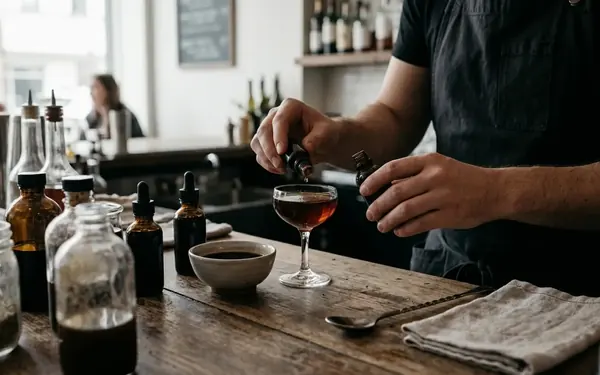
The last taste is of the finished drink, not of the bottle. Dilution, acidity, sweetness, garnish, and the dinner pairing can each change which aroma leads. A service test can start with 45–60 mL of browned-butter-washed whiskey, 5–7 mL of syrup, and 1–2 dashes of bitters, then be adjusted after stirring with ice. Taste one sample immediately after straining and another after it has sat beside its garnish for 3–5 minutes to check whether the finish remains clean.
The guest should be able to read the technique in the sip. Menu language can name the wash or the botanical without turning the method into the subject of the drink. The lounge atmosphere rewards that legibility: the glass supports the plate, and the drinks stay in service of the table.
On a Thursday service in the dining room, the bartender sets a chilled whiskey cocktail beside a dinner plate. The browned-butter aroma arrives first. The sip finishes clean.

Your Thoughts
No comments so far.
Add Your Thoughts