
From Saloon Ritual to Sensory Stage
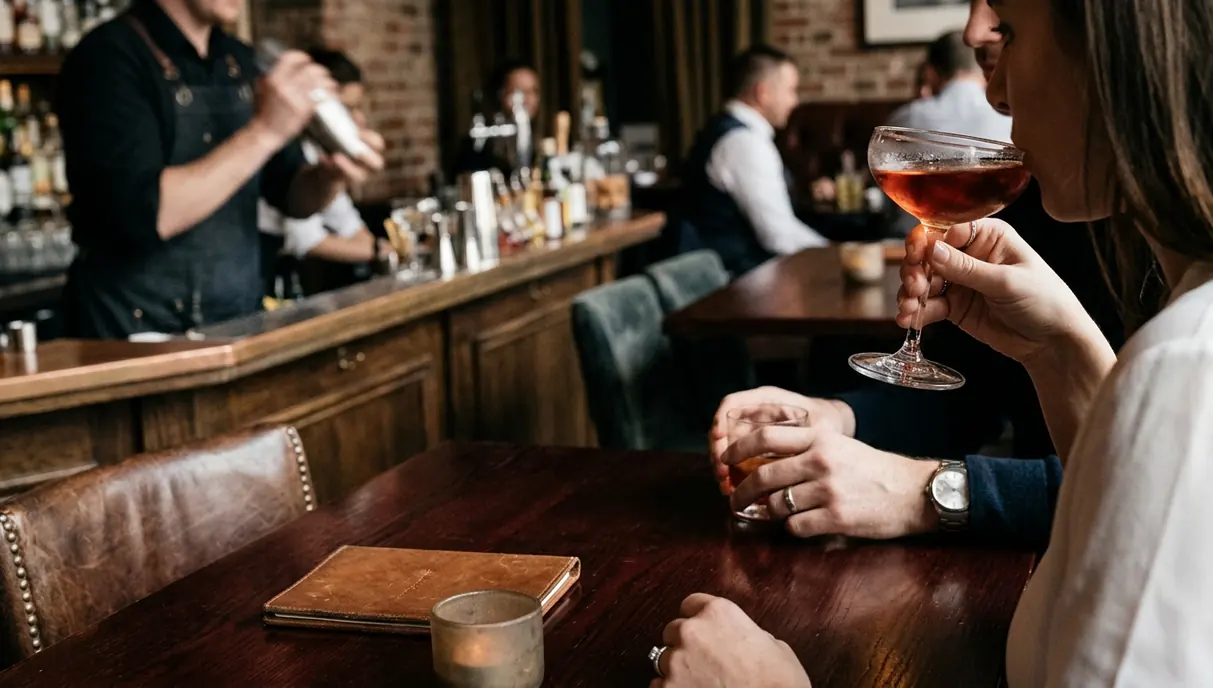
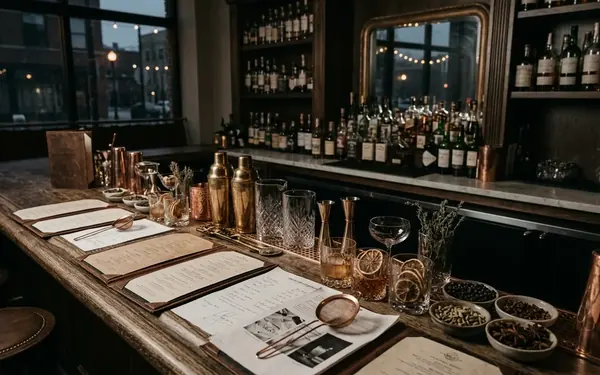
A cocktail is staged before it is poured. Historical service patterns show that expectation is deliberately built long before the glass touches the table. From mid-century hotel lounges and supper clubs to immersive tiki rooms and modern fine-dining bars, the pre-sip ritual shapes the drink. Seating arrangements, lighting choices, glass presentation, garnish reveals, and server pacing all dictate how a guest anticipates flavor.
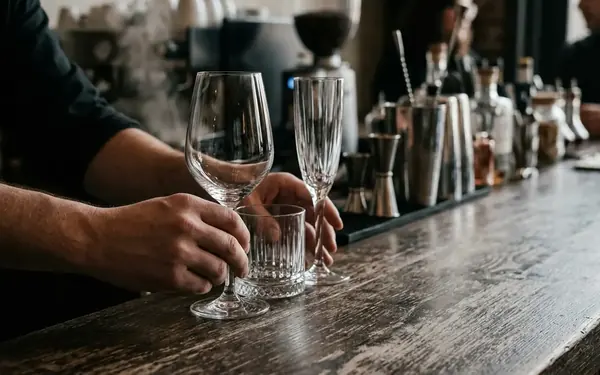
Atmosphere operates as a delivery condition rather than mere decoration. During service observation, the critical window is the first 30 to 120 seconds after a drink lands. In this brief span, a guest sees the glass, smells the garnish, touches the chilled stem or heavy rocks glass, and decides whether the room feels relaxed or rushed. The exact same Martini served in a chilled coupe under low light with quiet service will be noticed entirely differently than one handed across a loud, standing-room bar.
Atmosphere does not replace technique. It changes what the guest actually notices in the glass.
Flavor Is Built Before the First Sip
Taste is inherently multisensory. Aroma, color, temperature, texture, sound, posture, and attention all influence how a drink is perceived on the palate. Guests process sight and setting first, followed by aroma, temperature, texture, and finally flavor.
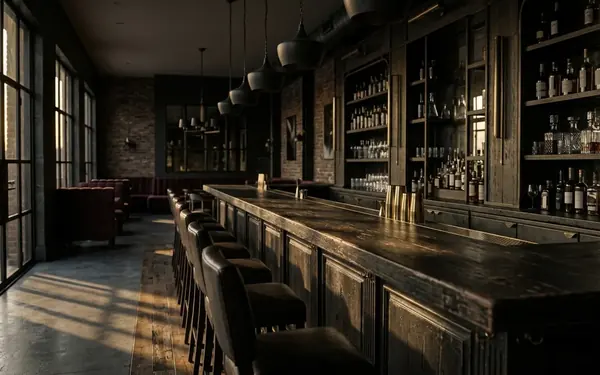
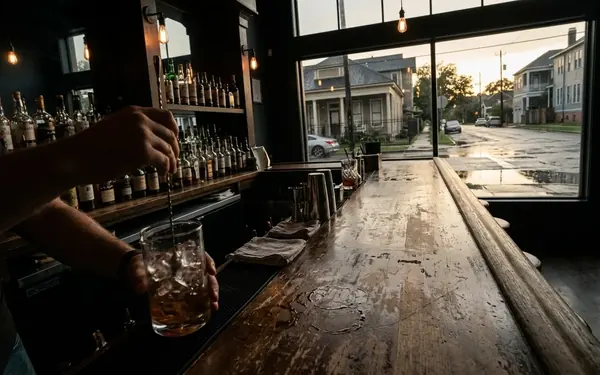
Lighting dictates visual weight. From multi-destination comparison, dim amber lighting in the 20 to 60 lux range makes brown spirits, stirred drinks, and darker glassware feel visually deeper and more luxurious before the first sip. Conversely, brighter rooms operating in the 150 to 400 lux range make bubbles, citrus color, clear ice, and condensation much easier to see. This brighter visual field naturally cues refreshment and sharpness.
Sound levels directly manipulate attention. In service-floor readings pushing 78 to 88 dBA during peak service, guests typically focus on the dominant, aggressive cues of a drink: sweetness, acidity, alcohol heat, and carbonation. In quieter 55 to 65 dBA lounges, guests have more sensory bandwidth available. They notice bitter edges, subtle dilution changes, and delicate garnish aromatics.
Pacing also alters perception. During pass-to-table checks, a stirred drink served 45 to 75 seconds after straining usually reaches the guest with its intended chill and texture intact. A longer hold on a busy service well allows the room's distractions to masquerade as a recipe flaw.
Why Houston Lounges Feel Different at the Same ABV
Guest movement and local climate dictate what drinkers want from a glass. Through the hotter months, many Houston guests arrive from hot, humid outdoor conditions into dining rooms cooled aggressively enough that glass temperature and first-sip refreshment become unusually noticeable.
Service windows create distinct drinking behaviors. Pre-theater and early dinner bar traffic commonly compresses into a window in the ballpark of 5:15 to 7:15 p.m. This specific rush favors drinks that can be explained quickly, served cold, and enjoyed before a reservation or curtain time. Late-night lounge ordering once the night is pushing 9:30 p.m. shifts toward texture, spirit presence, and slower sipping because guests are no longer using the drink as an immediate cool-down from their arrival.
A Negroni on a bright patio reads firmer because the bitterness, citrus peel, and temperature contrast are foregrounded by the environment. That same Negroni in a dark dining room feels rounder and more plush because the guest's attention moves toward weight, aroma, and finish.
Ice and glass temperature matter more than menu language alone. During table service, a Collins glass that warms for 6 to 10 minutes makes a highball feel flatter, even when the recipe is perfectly executed.
The Counterargument: A Great Drink Should Stand Alone
A properly built cocktail must be balanced regardless of the room it is served in. Recipe precision sets the baseline. A balanced sour still depends entirely on fresh citrus, controlled sweetener, adequate shake time, and proper aeration. Lighting cannot restore lemon or lime juice that has gone dull during a long service period.
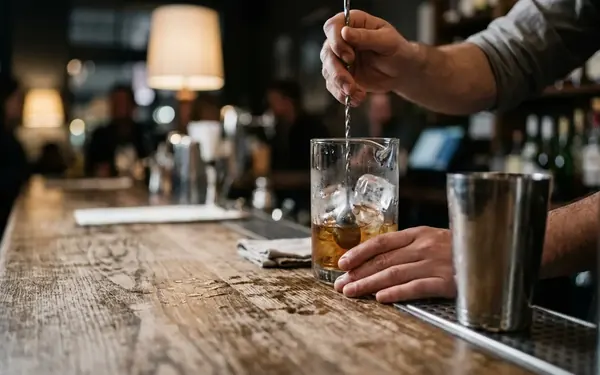
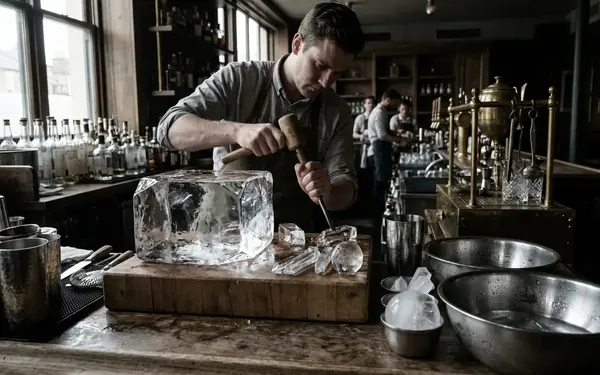
A stirred whiskey cocktail that leaves the mixing glass under-diluted will read hot in both a quiet lounge and a loud dining room. The quiet room simply makes the flaw more obvious. Weak or wet ice changes a shaken drink within the first 3 to 5 minutes at the table, especially in a warm entry-adjacent bar or a patio-facing room.
Recent acoustical and spatial reviews of Houston hospitality build-outs point to the same baseline: environmental design amplifies existing qualities but cannot generate missing ones.
Note: Atmosphere can change perception, but it cannot rescue stale citrus, poor dilution, weak ice, a warm coupe, or a cocktail spec that is already out of balance.
Atmosphere shapes whether that precise baseline is perceived as crisp, plush, elegant, austere, loud, or forgettable.
Design Choices That Change Taste Without Changing the Recipe
Bars can align their environment with their intended drink style without rewriting a single spec. For stirred, spirit-forward drinks, operators should test calmer lighting, lower music energy, heavier rocks glasses, and a slower presentation rhythm before altering the base spirit or modifier ratio.
Highballs, spritzes, sours, and sparkling drinks thrive on different cues. These builds require brighter visual environments, visible carbonation, taller glassware, and faster delivery from the build station to the table. In service timing, these drinks should land within 60 to 120 seconds once finished.
Aroma management is critical. Avoid scented candles, heavy floral arrangements, and recently sprayed cleaning products near the bar top. Volatile aromas compete directly with citrus oils, herbs, fortified wine, and barrel notes.
Temperature control extends to the room itself. If the room is over-chilled, guests hold the glass less comfortably and drink more slowly. This stretches the consumption time, making dilution and carbonation loss highly noticeable during a 10 to 15 minute drinking window at the table.
Quick Tip: Before changing a recipe, adjust one environmental variable for a single service period. Listen for changed guest language such as "brighter," "too strong," "rounder," "flat," or "more refreshing," then decide whether the drink actually needs a spec change.
How Guests Can Read a Room Before Ordering
Drinkers usually decide under time pressure. Reading the visible conditions of a room provides a reliable ordering framework. In a loud, bright, crowded room, order drinks with clear architecture. Highballs, Collins-style drinks, spritzes, citrus sours, bitter aperitivo builds, or stirred drinks with a firm flavor spine cut through the sensory noise.
In a quieter lounge or dining room, choose drinks that benefit from focused attention. Martinis, Manhattans, spirit-forward originals, sherry or vermouth-accented cocktails, and drinks with aromatic garnishes perform best when the room allows you to notice them.
Instead of asking for the most popular cocktail, ask the bartender: "What is drinking best in the room right now?" This invites the staff to account for pace, glassware temperature, crowd energy, and the current service rhythm.
Ordering cue: The best order is the cocktail that matches both your palate and the environment you are actually sitting in.
Treat Atmosphere as an Ingredient
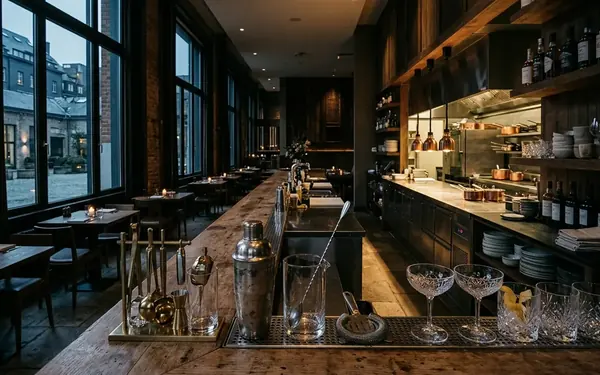
Bars must design atmosphere with the exact same rigor applied to specs, ice, and glassware. Operators need to review their rooms during actual service windows, not just before the doors open. A room at 5:00 p.m. with empty seats behaves entirely differently from the same room at 8:30 p.m. with full tables, louder guests, warmer glassware, and faster ticket flow.
Guests must choose their rooms according to the specific experience they want to have. Match the destination to the craving: patio refreshment, steakhouse weight, seafood-bar brightness, pre-theater efficiency, or late-night lounge depth.
For a Houston guest walking in from humid heat, that may mean a cold Collins or spritz in the brighter first room, then saving the Manhattan for the darker booth after dinner.
Your Thoughts
No comments so far.
Add Your Thoughts