
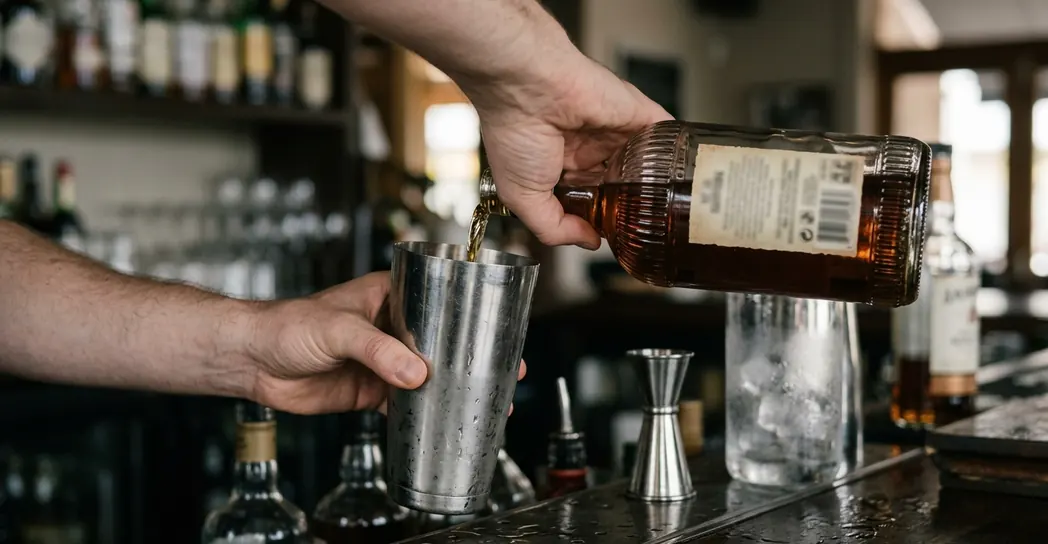
The wrong base spirit ruins a drink before the first sip lands. A cocktail can taste thin, hot, muddy, cloying, or simply out of step with the moment — and in nearly every case the fault traces back to the bottle chosen at the center of the build. The base spirit is not merely the strongest ingredient. It is the structural spine.
Everything else answers to it.
Why the Base Spirit Decides the Whole Drink
Think of the base as the load-bearing wall. It controls aroma, weight, and how sweet the finished drink reads. It sets dilution tolerance — how much ice and time a cocktail can absorb before it goes flat. It shapes the finish and decides whether the drink flatters food or fights it.
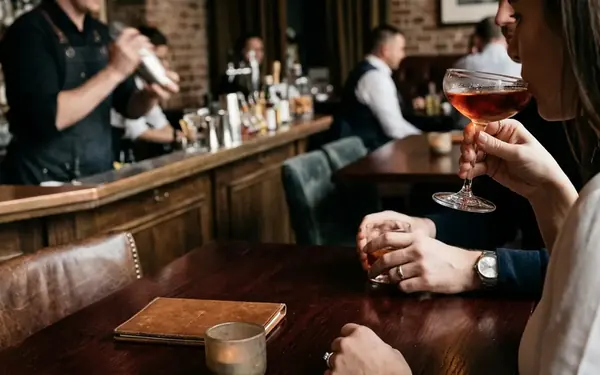
The decision starts with the guest moment, not the shelf. A pre-dinner drink needs lift and appetite. A patio pour in Houston heat needs length, ice tolerance, and refreshment. An after-dinner glass wants lingering warmth. For a lounge drink served roughly 20 to 45 minutes before a reservation, lighter bases such as gin, blanco tequila, vodka, or a dry brandy style usually give more appetite-friendly lift than a heavily oaked whiskey.
A patio cocktail expected to sit over ice for in the ballpark of 15 to 25 minutes needs a base with enough aroma to stay present after dilution, especially when topped with soda, tonic, sparkling wine, or crushed ice. A slow after-dinner pour can carry darker spirits and stirred texture for roughly half an hour or longer, because the aim is warmth, not rescue from the heat.
Read the Cocktail Before You Read the Bottle
Name the cocktail's job first. Is it a bright aperitif, a stirred nightcap, a tropical highball, a savory dinner companion, or a celebratory sour? The answer narrows the shelf faster than any brand loyalty.
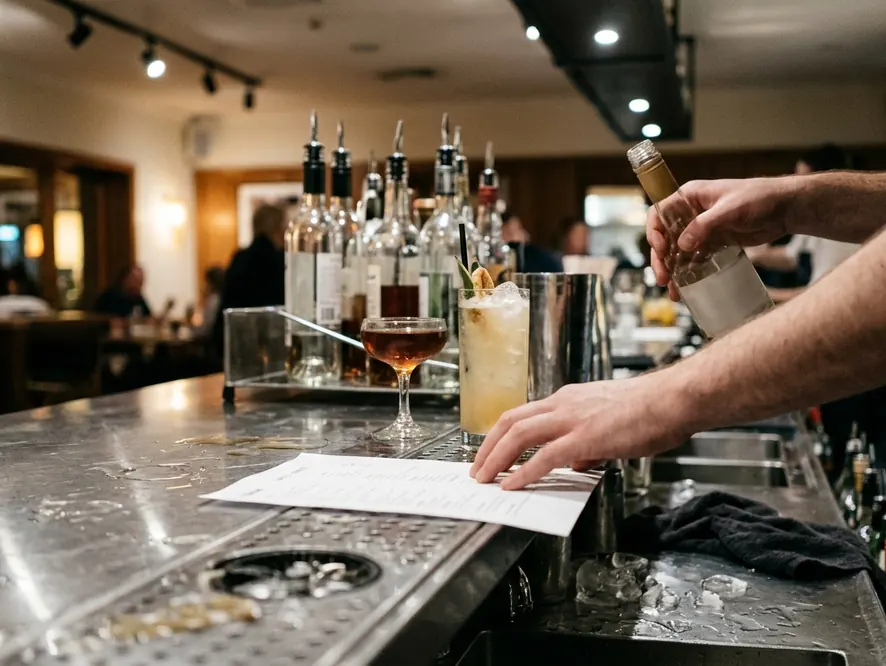
Three diagnostic questions do most of the work:
- Is the drink spirit-forward or modifier-led?
- Will it be shaken or stirred?
- Is it meant to refresh, comfort, cut richness, or linger?
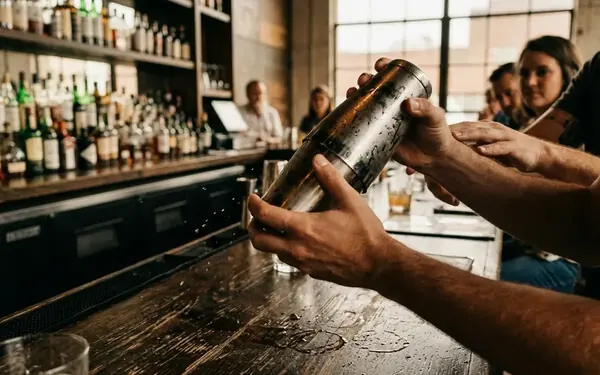
Method matters more than most home builders expect. A stirred drink commonly exposes the base at freezer-cold serving temperatures and low dilution, so oak texture, grain spice, botanical sharpness, and alcohol heat all show up quickly within the first few sips. A shaken sour with fresh citrus, syrup, and ice needs a base that stays aromatic after a shake pushing eight to twelve seconds and immediate straining.
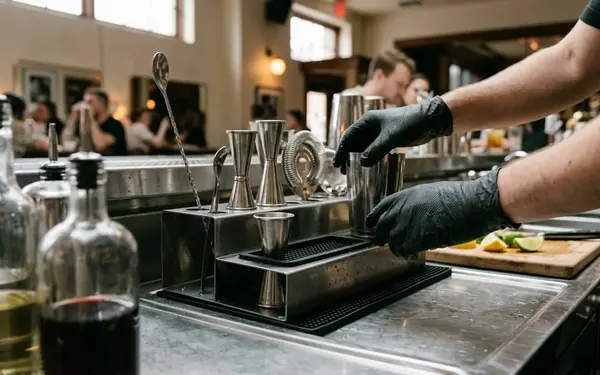
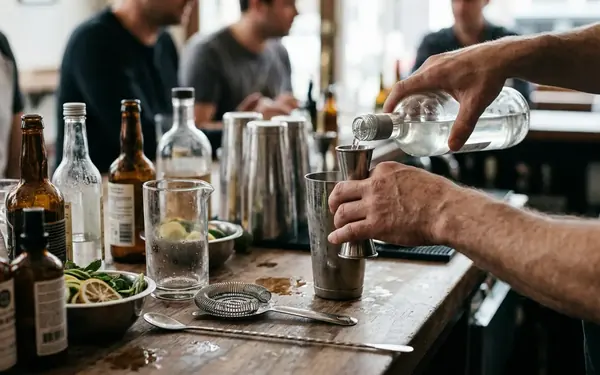
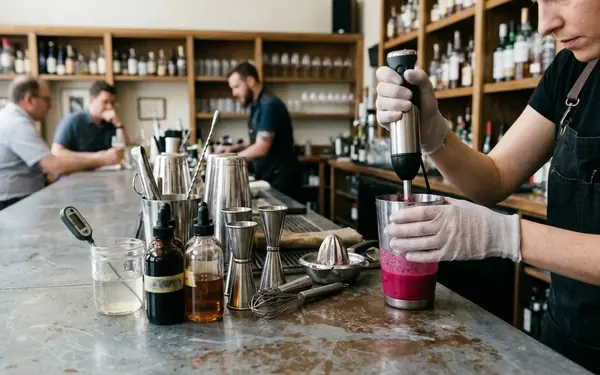
None of this requires a professional bar. A jigger, a mixing glass or shaker, fresh ice, and a tasting spoon are enough to run the diagnosis at home. Draft batching, carbonation rigs, and specialty ice programs are conveniences, not prerequisites.
Match Spirit Families to Flavor Weight
Build the family map by flavor weight rather than prestige. Vodka sits at the clean, neutral end. Gin adds botanical lift. Rum ranges from grassy to deep and caramelized. Agave spirits bring earthy and vegetal structure, and aged whiskeys and brandies anchor the heavy end.
Vodka and Gin at the Lighter End
Vodka earns its place when the leading flavor is cucumber, citrus oil, herb, berry, melon, bubbles, or a chilled texture — anything that should lead over the spirit itself. It steps back and lets delicate ingredients speak.
Gin is aromatic and versatile, pairing cleanly with citrus, vermouth, tonic, cucumber, herbs, and floral accents. But intensity cuts both ways. A highly juniper-forward, heavily spiced, or strongly floral gin can bulldoze modifiers such as pear, white tea, lychee, cucumber, or elderflower. An intensely botanical gin can turn an elegant aperitif into a perfumed drink with a harsh finish, overwhelming exactly the subtle notes it was meant to frame.
The Heavier End
Unaged rum and blanco tequila carry lime and grapefruit cleanly. Aged rum, rye, Cognac-style brandy, and malt-forward whiskey do better with caramel, baking spice, coffee, chocolate, or char. The weight of the modifier should find its match in the weight of the spirit.
Check Proof, Texture, and Sweetness Before You Commit
Once the family is chosen, three properties decide whether a specific bottle belongs in the actual build: proof, texture, and perceived sweetness.
Proof reads qualitatively more than numerically. Spirits around 40% ABV feel polished in simple highballs and lighter aperitifs. Bottles in the mid-40s to low-50s ABV range tend to carry better through shaken citrus drinks, stirred whiskey drinks, and crushed-ice tropical formats, because they keep their flavor through dilution and strong modifiers. Lower-proof options feel softer, but they can vanish inside a complex build.
Texture is its own axis. Oily gin, plush aged rum, lean blanco tequila, round brandy, and firm rye whiskey each create a different mouthfeel before a single modifier is added.
Sweetness perception is where builders get fooled. Oak, vanilla, dried fruit, molasses, maple-like barrel notes, and sweet liqueurs can make a drink read sweeter even when the syrup measure never changes. That perception is real to the guest, so treat it as a design lever.
Quick Tip: A quarter-ounce side taste of the spirit next to the strongest modifier reveals clashes before you commit. Line up 0.25 oz of the base beside 0.25 oz of vermouth, amaro, lime, grapefruit, coconut cream, or coffee. That first read is usually enough.
Pair the Base Spirit With the Modifier That Will Challenge It
Every cocktail has one ingredient most likely to overpower the base. Citrus challenges aroma and body. Vermouth challenges balance and dryness. Amaro challenges bitterness. Cream, egg, coconut, and pineapple challenge the finish. Coffee, spice, bitters, and sparkling wine each apply their own pressure. Select the base against that force.
Citrus and Sugar
Lime and lemon sours generally need a base with clear aroma or body, because acid, syrup, chilling, and aeration can flatten a quiet spirit within the first few minutes after service. This is exactly where a delicate sipping whiskey fails: its subtle barrel notes vanish under the acid while the oak bitterness stubbornly remains, leaving a sour that tastes thin and woody. Gin, rum, tequila, brandy, and some whiskeys work — provided they bring enough presence to survive the shake.
Vermouth, Fortified Wine, and Rich Builds
Vermouth and fortified wine reward deliberate matching. Gin, whiskey, brandy, and agave spirits all work when bitterness, botanicals, oak, or minerality are chosen on purpose to meet them. Cream, egg white, coconut, and pineapple builds benefit from bases with spice, age, esters, pepper, smoke, or barrel depth, so the finish does not collapse into sweetness and foam.
Context bends these guidelines. The same blanco tequila that feels crisp and ideal with lime on a humid patio can read too lean in a coconut, cream, or egg-white build — unless spice, salt, or a richer modifier steps in to support it.
Let the Occasion Narrow the Shortlist
The shortlist tightens once you read the room: the hour of service, the dish on the table, the outdoor temperature, the glassware, how fast the guest is drinking, and whether the drink is a first impression or a slow finish.
For a first drink before dinner, bases that pair well with acidity, dry vermouth, tonic, grapefruit, bubbles, or gentle bitterness are usually safer bets than spirits carrying heavy smoke, intense oak, or dessert-like sweetness. The goal is appetite, not indulgence.
Dinner pairing is where Houston tables get interesting. With rich Gulf seafood, grilled shrimp, or buttered crab, a crisp gin or blanco tequila drink built on citrus, saline, or herbal lift resets the palate more cleanly than a heavily oaked whiskey cocktail. With charred steak or smoked meats, rye, aged rum, or an agave spirit with earthy structure feels more aligned — echoing the char rather than fighting it. Late-night chile heat and rich sauces push the same way: cut the fat with citrus and minerality, or meet the smoke with rye spice and restrained barrel depth.
For batched party service over ice, vodka, gin, rum, tequila, and some whiskeys grow more forgiving alongside sparkling water, tonic, citrus, tea, or juice, since the drink can tolerate a roughly 15-to-30-minute drinking window. One honest limit belongs here, specific to the room: menu logic can narrow the shortlist, but it will never override a guest who dislikes smoke, juniper, anise, oak, vegetal agave, or visible sweetness. Preference wins.
A Simple Framework for Choosing the Base Spirit
The whole process collapses into five gates.
- Define the drink's role. Refresh, open appetite, comfort, pair with dinner, celebrate, or linger?
- Name the dominant modifier. Identify the ingredient most likely to challenge the base.
- Choose the desired weight. Light and clean, aromatic, or deep and caramelized?
- Check proof and texture. Will the spirit survive dilution and the strongest modifier?
- Test a small build. Mix at half size — 1 oz base, scaled modifier, fresh ice, same shake or stir planned for service, before committing to a full round.
Three quick reads show the framework at work. Gin carries a bright herbal sour, holding lemon, lime, basil, mint, cucumber, or floral modifiers more clearly than a soft aged spirit. Rye stands up to a bitter stirred drink, keeping grain spice and proof present against vermouth and amaro after chilling and dilution. Aged rum anchors a tropical cocktail that needs caramel depth beneath the fruit.
The rule: Substitution stays creative only when the new base carries the same structural job — or intentionally changes it. Swapping for the sake of the shelf, without asking what the base was doing, is how a balanced drink loses its center.
So before you reach for the bottle you already like: what job is the base actually being asked to do in this glass, and does the spirit in your hand still do it?




Your Thoughts
No comments so far.
Add Your Thoughts