
Balance is the quiet discipline behind the drink that keeps being remembered after the garnish is gone. Complexity can impress on a menu. Balance impresses in the glass.
I think about it as a first-principles problem: what does the guest smell, taste, feel, and remember, in that order? If those answers connect, the cocktail has structure. If they compete, the ingredient list does not matter much.
Contents
- What Balance Means in a Cocktail
- How Complexity Became the Wrong Flex
- The Technical Anatomy of a Balanced Drink
- The Best Case for Complexity—and Why Balance Still Wins
- How Bartenders Can Design for Balance First
- What Guests Should Notice Before They Praise the Ingredient List
- Choose Coherence Over Ornament
What Balance Means in a Cocktail
Balance is the deliberate alignment of sweetness, acidity, bitterness, alcohol heat, dilution, temperature, aroma, texture, and finish. That definition matters because cocktails do not arrive as isolated flavors. They arrive as a sequence of linked sensations.
Aroma reaches first. Then comes the first sip, the weight of the liquid, the temperature, the way sweetness either opens the drink or drags it down, and the finish that stays after the glass leaves the mouth.
Balance is not equality
Balance does not mean every element appears in the same volume or intensity. A bitter aperitif should not taste as sweet as it tastes bitter. A Daiquiri should not hide its lime to prove restraint. The point is simpler and stricter: no element should feel accidental, bullying, or unresolved.
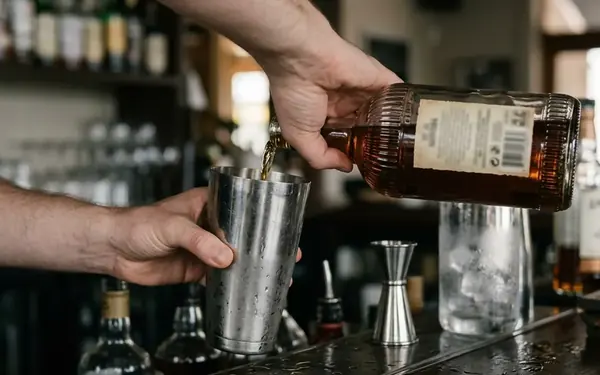
A classic sour-format test build commonly starts around 2 oz base spirit, 0.75 oz fresh citrus, and 0.5–0.75 oz sweetener. From there, the useful edits often happen in 0.25 oz movements when the drink tastes sharp, thin, or sticky. That small adjustment can decide whether a cocktail feels crisp or merely sour.
Here is the thesis I stand behind: a simple balanced drink earns more attention than a complex drink that cannot explain itself on the palate.
In short: Balance is not a vote where every ingredient gets equal power. It is a structure where every sensation knows its job.
How Complexity Became the Wrong Flex
Cocktail menus often reward visible effort. Rare modifiers, house ferments, multiple infusions, obscure bitters, clarified juice, elaborate garnishes: these signal work before the guest ever tastes the drink.
That signal has value. Complexity can show prep discipline, culinary imagination, and a serious approach to spirits & mixology. In Houston fine-dining bars and polished lounge settings, guests often expect ambition. They want the drink to feel considered, not lazy.
But hospitality still has to win.
The menu can overpromise the glass
During an upscale lounge service window from roughly 6:30 p.m. to 10:30 p.m., a drink that requires around 6 or more separate bottle reaches plus a fragile garnish can slow execution unless the bar batches or pre-portions part of the build. That is not a moral failure. It is service physics.
Menu descriptions also stack flavor claims. Smoke, tropical fruit, spice, bitterness, florality, salinity, and acid may all appear in the copy, yet the guest usually tracks 1 dominant impression and 1–2 supporting impressions in the first sip. If the drink cannot establish that hierarchy, the guest receives noise.
This critique is aimed at guest-facing cocktail design, not back-bar R& D where awkward prototypes can teach useful lessons.
A nine-ingredient tropical drink with rum, two liqueurs, pineapple, citrus, spice syrup, bitters, fortified wine, and an elaborate garnish can still taste like flat fruit punch if proof, acid, and sweetness arrive as separate layers instead of one structure.
The Technical Anatomy of a Balanced Drink
The mechanics begin before liquid hits the tongue. Spirit structure, sugar, acid, bitterness, dilution, carbonation, temperature, aroma, and garnish all change how a drink lands.
I organize the anatomy by guest experience: smell first, then temperature and texture, then sweetness, acid, alcohol, bitterness, lift, and finish. This order keeps the work honest because the guest does not drink a spec sheet.
Temporal balance matters
A balanced cocktail has a beginning, middle, and ending that belong to one thought. The first sip should not taste like bright citrus, the mid-palate like hot spirit, and the finish like unrelated syrup. Those may be good ingredients. They are not yet a good drink.
A Daiquiri proves the point. It can feel complete at 3 ingredients: 2 oz rum, 0.75 oz lime, and 0.5–0.75 oz simple syrup, shaken hard enough to add roughly 0.75–1.25 oz of water depending on ice size and shaking time. Nothing about that build is ornate. Everything about it is exposed.
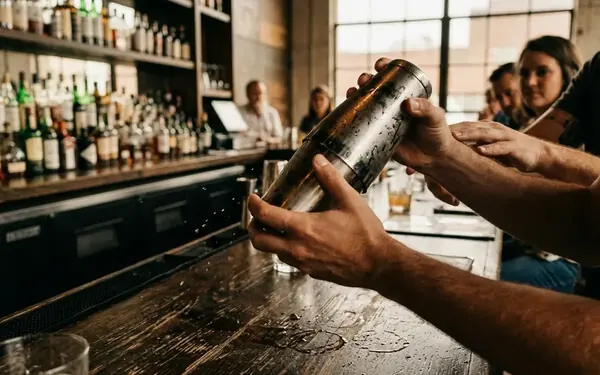
Dilution carries more responsibility than many guests realize. Alcohol heat tends to read harsher when a shaken drink is under-diluted by even a short shake cycle. A practical bar test compares a 7–8 second shake against a 12–14 second shake with the same ice and glassware. The difference usually shows in perceived sweetness, texture, and heat.
Stirred, shaken, and sparkling drinks ask different questions
A stirred spirit-forward drink often needs less dilution than a shaken sour. A 20–30 second stir with dense ice commonly produces a colder, silkier texture without aeration, while a 10 second stir may leave alcohol heat sitting on top.
Carbonated highballs punish over-handling. Build over cold ice. Add chilled soda last. Stop moving the drink around. Repeated transfers between tin and glass flatten the lift that makes a highball feel alive.
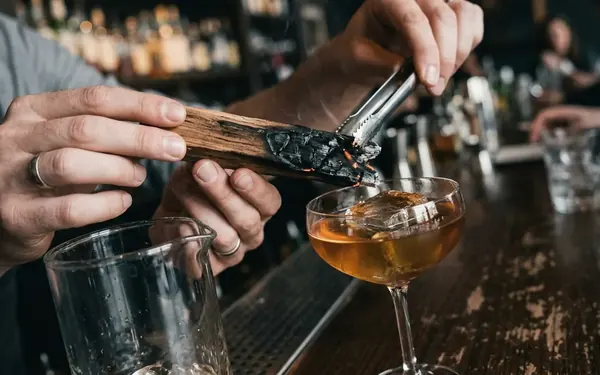
Garnish also needs a job. Expressed citrus oil can bridge spirit and acid. A slapped herb sprig can lift aroma without adding sweetness. A small saline addition can make fruit taste fuller without making the drink read salty.
The Best Case for Complexity—and Why Balance Still Wins
Complex cocktails deserve a fair defense. Layered drinks can carry story, seasonality, culinary reference, and a sense of occasion. They can give a bar its point of view.
The best complex drink does not pile on flavors. It sequences them.
A useful complex build
Consider mezcal, pineapple, fino sherry, lime, and chile. This can work beautifully because each ingredient has a structural role: smoke, fruit, salinity, acid, and heat. A workable test spec might begin with 1.5 oz mezcal, 0.75 oz pineapple, 0.5 oz fino sherry, 0.5 oz lime, and a restrained chile tincture or syrup addition measured in dashes or barspoons rather than a full pour.
If pineapple rises above its supporting role, the drink becomes round but vague. If lime climbs too high, the mezcal smoke may read as bitter or ashy instead of savory. If chile dominates, the guest stops tasting structure and starts managing discomfort.
Useful complexity reveals itself across 5–10 seconds: aroma, first impact, mid-palate, and finish should feel like stages of one argument rather than unrelated flavor announcements. That is the line. Complexity is valuable only when it creates clarity the drink could not achieve otherwise.
Note: A complicated prep path does not guarantee a complicated pleasure. House ferments, fat-washed spirits, and infused syrups may require in the ballpark of 24–72 hours, but that labor can disappear if citrus, syrup, and a dominant base spirit bury the result.
How Bartenders Can Design for Balance First
Start with the drink’s center of gravity. Is it spirit-forward, sour, highball, stirred, sparkling, bitter, creamy, or tropical? Name the family before chasing accents.
That first decision narrows the field. A bitter stirred aperitif may benefit from dryness and a firm finish. A poolside highball in Houston heat may need brighter carbonation, colder glassware, and slightly more dilution to stay refreshing. Both can be balanced. They should not share the same balance point.
A practical editing method
- Choose one dominant idea.
- Add one supporting contrast.
- Taste the neat build before dilution.
- Shake or stir, then taste immediately.
- Let the drink sit for 6–8 minutes and taste again.
- Remove any element that does not change the drink meaningfully.
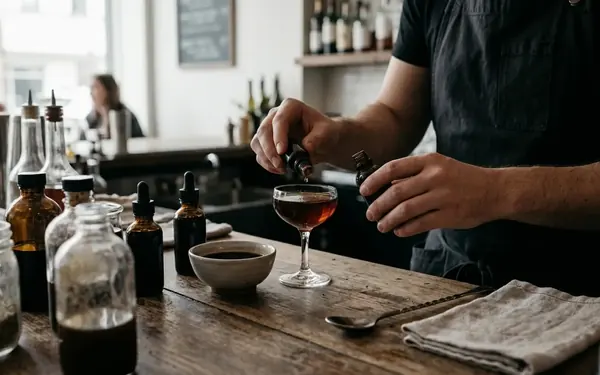
Barspoon-level tests often reveal more than full-ounce changes. One barspoon of liqueur, saline solution, or fortified wine can show whether an ingredient has a job without rewriting the drink.
Then test the drink under service conditions. Build it with normal station noise, normal ice access, and the usual garnish setup. A recipe that needs exact silence, perfect ice selection, and the head bartender’s touch to taste right is usually not balanced enough for regular service.
Quick Tip: Before adding a third accent, ask what the guest should notice first and what should arrive second. If the answer takes too long, the drink probably needs editing.
What Guests Should Notice Before They Praise the Ingredient List
Cocktail enthusiasts do not need technical vocabulary to judge a drink accurately. The table gives enough evidence.
Start before sipping. The aroma should invite the drink, not announce every technique on the prep list. On the second sip, after the palate adjusts, sweetness should still feel useful. Alcohol should have presence without harshness. The last 1–2 oz should remain composed after the drink has warmed slightly.
Read the glass, not the adjectives
- The aroma should point toward the main flavor.
- The first sip should establish structure, not confusion.
- Sweetness should not fatigue the palate.
- Acid should sharpen, not scrape.
- Bitterness should frame the drink, not hijack it.
- The finish should feel connected to the opening.
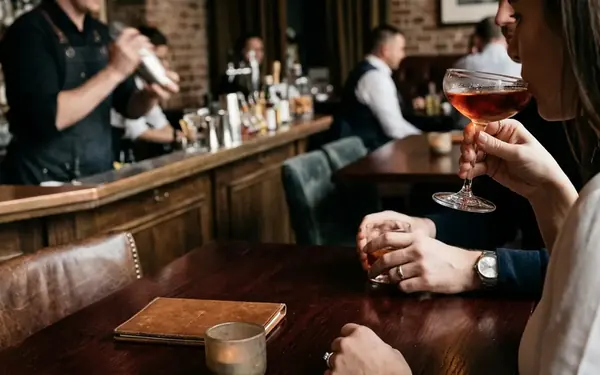
In a chilled coupe or Nick and Nora glass, the first 5 minutes often flatter a drink. The better test comes after 8–12 minutes of conversation, when temperature rises and weak structure starts showing.
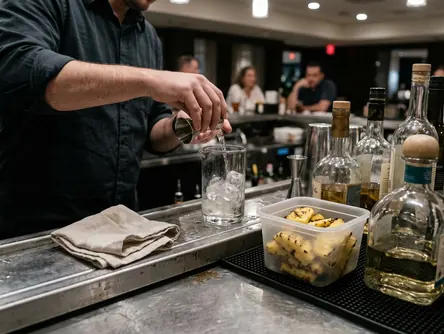
In a hospitality-forward Houston lounge, the bartender’s explanation should make the drink clearer, not more mysterious. “Bright agave, grilled pineapple, dry sherry, and a chile finish” gives more usable guidance than a long list of techniques. Good service helps the guest taste with more confidence.
Choose Coherence Over Ornament
Balance is the craft standard that makes complexity worth caring about. It connects bartender discipline, guest pleasure, dining & pairings, and the lounge atmosphere that lets a drink unfold at a human pace.
A strong menu test is whether the drink can be described in 12–18 words without hiding behind ingredient rarity. Another is whether each component would be missed if removed from a side-by-side test. If an ingredient cannot pass either test, it may be decoration rather than design.
Order, build, and celebrate the cocktail that can explain itself in one sentence and still rewards attention after the final sip.
Your Thoughts
No comments so far.
Add Your Thoughts