
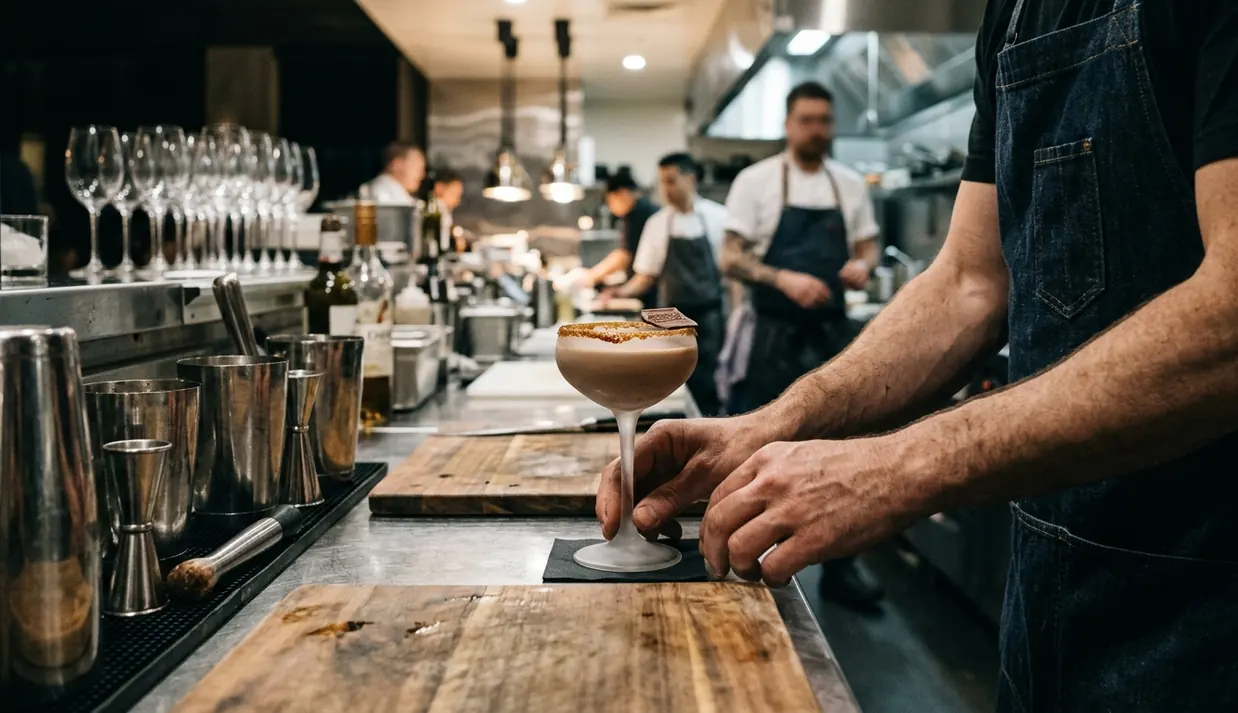
A Coupe Arrives After the Spoons Go Down
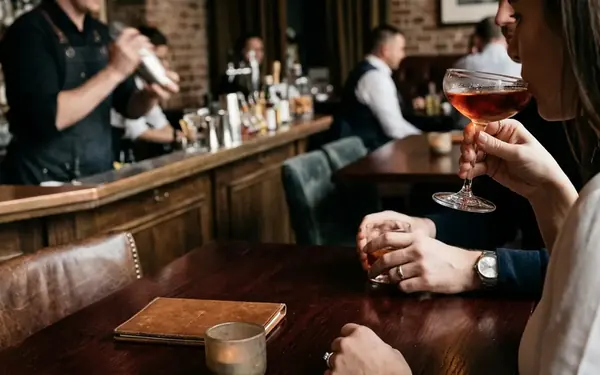
The table is quiet in that particular Houston way after dessert: linen slightly rumpled, spoons resting at odd angles, espresso cooling in small white cups. It is somewhere between a little after nine and quarter to eleven, late enough for the dining room to soften but not so late that the night has ended. Then a chilled coupe arrives.
Not a giant glass of sugar. Not a joke from the old nightclub menu. A small, cold, deliberate drink, usually hovering around 3 to 5 ounces finished, set down after the dessert spoons go still but before the check folder lands.
That timing matters. The drink has a job.
Dessert cocktails deserve to be treated as a legitimate final course, not as a sugary novelty or a bar-menu afterthought. The case is not simply about adding one more drink to dinner. That would miss the point. The stronger argument lives in flavor architecture and hospitality pacing: how a final glass gathers sweetness, bitterness, aroma, texture, and mood into the last few minutes of the meal.
I like the moment because it exposes weak service quickly. If the cocktail feels tacked on, guests notice. If it feels composed, it can make the meal land more cleanly than another forkful of cake or a rushed espresso ever could.
Why Dessert Drinks Get Dismissed Too Quickly
Dessert has long belonged to pastry, coffee, amaro, fortified wine, or a neat pour of something aged and quiet. Cocktails often stand outside that conversation, partly because restaurants have trained guests to see them as pre-dinner energy rather than final-course resolution.
The skepticism is earned. Many people hear “dessert cocktail” and remember an oversized chocolate martini, a heavy cream drink, or a syrupy glass built more for novelty than pleasure. One bad version can haunt the whole category. An oversized cream-and-vodka drink served after a rich chocolate dessert will make the format feel bloated, even if the ingredients are expensive.
Restaurants have their own reasons to hesitate. A late dessert-cocktail ticket commonly lands after the pastry order, and if the bar is also handling lounge rounds and post-dinner drinks, that can create a short gap. In Houston’s elevated dining and lounge rhythm, the end of dinner often overlaps with the first late lounge seating, from about 9:30 p.m. until 11:00 p.m. on Thursday through Saturday.
That is a real service problem, not a theoretical one.
Note: This argument fits elevated dining rooms, hotel bars, cocktail lounges, chef’s counter meals, and private events more naturally than a quick casual dinner where guests expect to leave immediately after dessert.
The category fails when a bar treats it as a dumping ground for cream, chocolate, and vodka. It starts to work when the drink answers the same questions a pastry chef would ask: What needs contrast? What should linger? What should disappear fast?
The Flavor Case: Sweetness Needs Structure
A dessert cocktail is not defined by sweetness alone. Sweetness is only one beam in the frame. The rest of the structure comes from acidity, bitterness, salinity, dilution, temperature, aroma, and texture.
That sounds technical because it is. But the work shows up in a simple sip.
Chocolate tastes flatter without bitterness. Coffee can feel harsh without a little softness. Cream becomes tiring when the pour is too large. Citrus can brighten a sweet drink, but too much acid can make it read like a sour with a pastry costume. A small pinch or measured saline addition can make chocolate, coffee, caramel, or nut flavors read cleaner without making the drink taste salty.
Think Like Pastry, Build Like a Bar
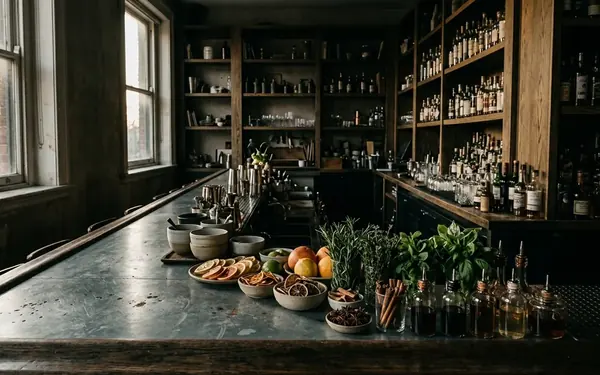
Pastry chefs rarely rely on sugar alone. They use crunch, salt, temperature, tart fruit, bitter cocoa, toasted nuts, and restrained portions. Bartenders should borrow that logic, then translate it through spirits and mixology.
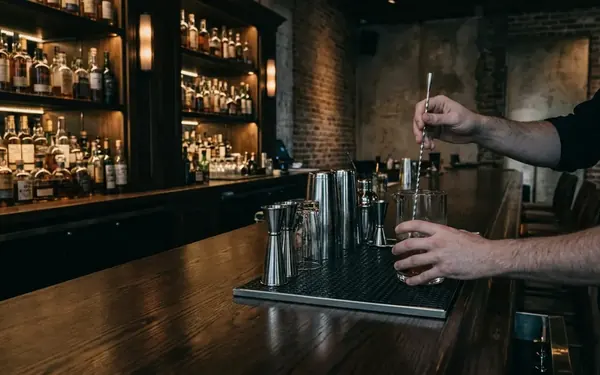
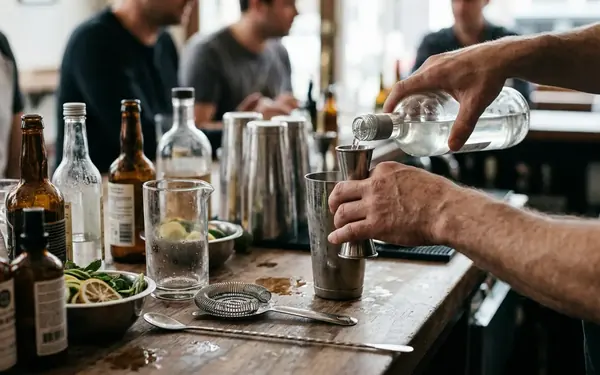
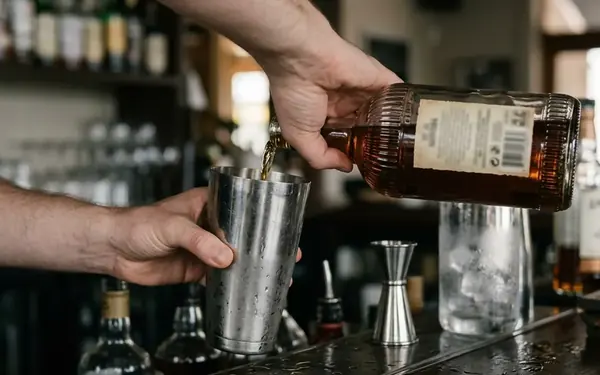
That means using coffee, cacao, amaro, dark rum, brandy, whiskey, fortified wine, or cold espresso as anchors because they bring roast, tannin, spice, or bitterness to counter sugar. It also means choosing texture with intent. Shaken cream gives lift. A whole-egg flip gives custard weight. Crushed ice stretches refreshment. A stirred serve keeps the drink compact and spirit-forward.
Under service pressure, the drink also needs to hold. A well-built final-course cocktail should remain stable at the table for several minutes without separating cream, watery foam, or a warm sugary finish. That is where many pretty drinks lose the room.
Quick Tip: If the plated dessert is already rich, do not double the weight. Pair chocolate cake with roast, bitter cacao, amaro, or cold glassware before reaching for more cream.
The Hospitality Case: The Last Glass Changes the Room
Flavor earns the drink a place on the table. Hospitality explains why the timing can feel so good.
The best service window usually opens after dessert is ordered but before the dessert course is fully finished. That lets the server discuss coffee, amaro, dessert wine, and cocktails in one conversation instead of returning later with a separate pitch. The table hears a set of choices, not an upsell.
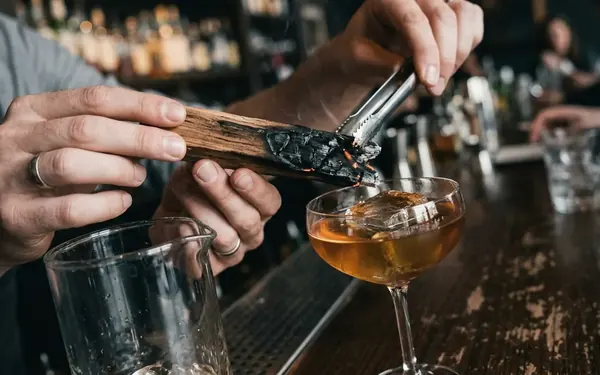
A final drink can reset attention after a heavy meal. Cold glassware does part of it. So does expressed citrus, grated spice, coffee aroma, or a restrained garnish delivered just above the rim. The guest lifts the glass and the room sharpens again for a moment.
This is where lounge atmosphere and dining and pairings overlap. Anniversaries, pre-theater dinners, late lounge reservations, chef’s counter meals, and private events all benefit from a more deliberate final drink. A pre-theater table with a tight dinner window may need the drink to arrive with precision. A chef’s counter can plan the final course in advance. A private dining menu can build the final stretch instead of improvising it.
Houston makes this especially natural. The move from dining room to lounge or hotel bar is often part of the evening, so a dessert cocktail can function as a bridge rather than an interruption.
The Fair Objections—and Why They Do Not Hold
The strongest objection is blunt: too many dessert cocktails are too sweet, too boozy, too heavy, or too late.
Agreed.
But bad execution does not condemn the format. A clumsy steak does not make beef unserious. A tired tart does not make pastry unnecessary. The same standard should apply here. The category deserves judgment by its best disciplined versions, not its stickiest memories.
Size Solves More Than People Think
Responsible formats change the conversation. Half-size pours, split serves for two guests, low-ABV builds with fortified wine or coffee, and small shaken drinks that finish in a few sips can all make sense at the end of dinner. Heavy cream drinks become tiring in large formats, so a controlled final-course pour should usually stay closer to a few ounces before garnish and foam expansion.
The server also needs a clear read on the table. Avoid sending a high-proof, spirit-forward final drink after multiple wine pairings unless the guest asks for it and the pacing supports it. The language should leave an easy exit: offer the cocktail alongside coffee, tea, amaro, and dessert wine rather than presenting it as the expected upgrade.
The drink does not have to replace dessert. It can accompany a citrus tart, follow a chocolate dessert, or replace dessert for a guest who wants a lighter finish. Those are three different service decisions. Treating them as one script is how the category gets into trouble.
How Restaurants Should Put Dessert Cocktails on the Menu
The menu should stay short. A few drinks give servers enough range to guide the table without turning the final page into a novelty list.
A practical structure uses three lanes:
- Cream or custard-style: soft, chilled, and small, with enough bitterness or spirit character to keep the finish clean.
- Bright citrus or orchard-fruit: lighter and sharper, useful beside tarts, custards, and guests who want lift instead of weight.
- Dark roast, cacao, amaro, or aged spirit: compact, aromatic, and suited to chocolate, coffee, caramel, and late-night pacing.
Menu descriptions should speak plainly. “Chilled coffee, dark rum, cacao, soft cream” tells the guest more than a clever name with no texture. “Lemon, fortified wine, vanilla, crushed ice” gives the server an easy path to the table.
Pairing Logic for the Final Page
- Match intensity. A delicate panna cotta will not thank a loud whiskey-and-cacao drink.
- Avoid doubling sweetness. Sweet dessert with sweet cocktail needs acid, bitterness, roast, or salt to stay alive.
- Use bitterness to cut richness. Amaro, cacao, coffee, and citrus peel can rescue a finish from feeling heavy.
- Consider temperature. A colder, smaller glass can refresh the table after warm pastry or espresso.
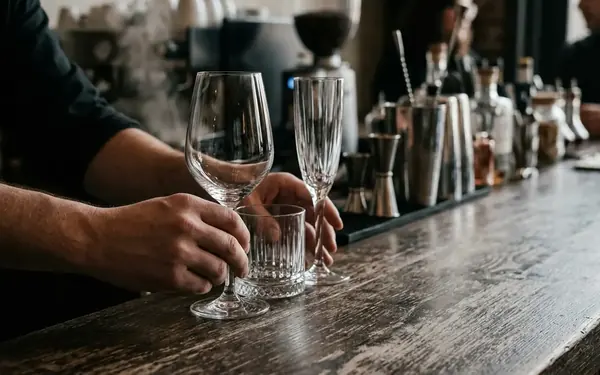
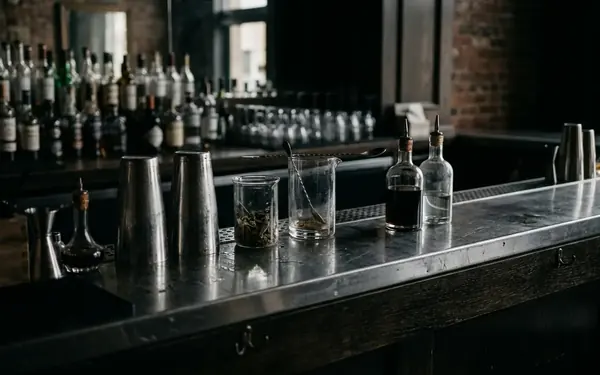
Operations matter as much as recipes. Coordinate dairy, egg, nut, coffee, and chocolate allergens before service because these ingredients appear more often in dessert-style builds than in many standard aperitif cocktails. Glassware also needs a plan: chilled coupes, small rocks glasses, or cordial-style stems compete for bar-side space during the same stretch when espresso cups, dessert plates, and check presenters are moving.
In practice: The final page should feel edited. One creamy drink, one bright drink, and one darker drink will usually serve the room better than a long list of sweet ideas.
The Final Glass Should Feel Like Part of Dinner
Return to the table after the plates are cleared. The linen is still marked by the meal. Someone has taken the last sip of espresso. The check has not arrived yet, and the room has not fully released the table.
That is where a dessert cocktail has to prove itself. It earns its place only when it completes the meal’s flavor and emotional arc. It should feel colder, smaller, and more aromatic than an ordinary round, with garnish restrained enough for the dining table rather than the nightclub bar.
The best version does not shout. It gathers the end of dinner into one small vessel: roast from coffee, bitterness from cacao or amaro, softness from cream or egg, warmth from aged spirit, and precision from chilled glassware, all inside the narrow interval, often in the ballpark of 5 to 12 minutes, after the plates are cleared.


Your Thoughts
No comments so far.
Add Your Thoughts