
A Season That Starts at the Bar Rail
The first five minutes tell the story
At 6:40 p.m., the seasonal direction of a Houston bar is already visible if you watch the rail instead of the room.
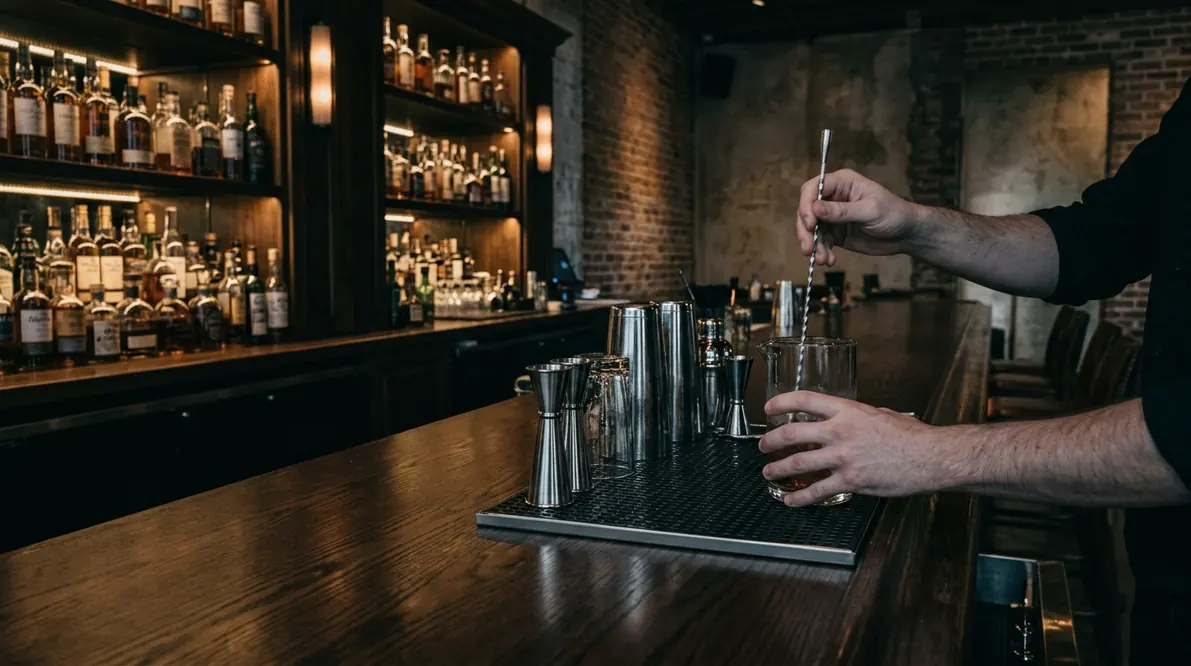
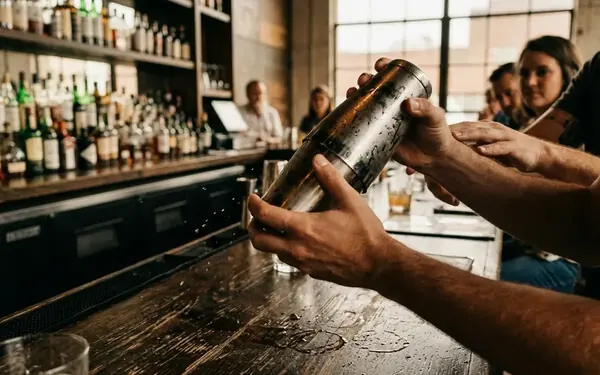
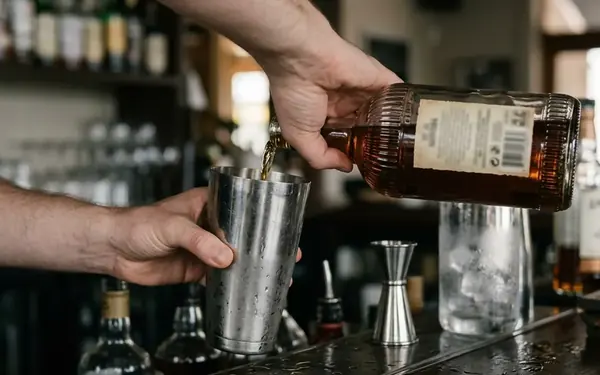
A bartender packs a mixing glass with hard ice, measures a stirred build in the ballpark of 2.5 to 3 ounces, and reaches for a chilled Nick and Nora. The garnish is not a bouquet, a torch, or a construction project. It is a lemon coin, an olive, maybe a small herb tip placed with intent. Nearby, a dining-room guest studies a tight cocktail list before dinner, weighing one round against the reservation clock.
That scene says more than a trend report. Houston bars are leaning toward drinks that feel culinary, polished, and food-aware rather than merely flashy. The best lists I am seeing in this lane run short: often 7 to 11 drinks, each with a clear reason to exist.
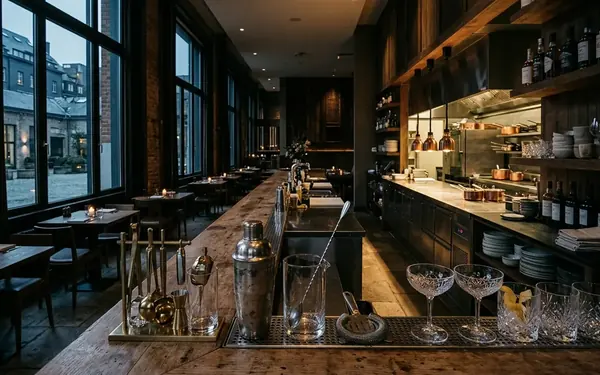
This is not a census of every bar in the city. It is an editorial read on visible menu direction across Houston-style cocktail rooms, hotel bars, fine-dining bars, and lounge spaces where spirits & mixology meet dinner service.
Why Houston Cocktail Menus Feel Different Right Now
Guests are moving through more than one kind of evening
Houston guests rarely treat the bar as a single-purpose stop. A night might start with a reservation, pause in a lounge, continue through a private room, and end in a late cocktail room. That movement changes what a drink has to do.
A cocktail can no longer survive on novelty alone. It has to arrive quickly, taste composed, and sit comfortably next to seafood, grilled meat, chile heat, citrus, or a rich sauce. In that setting, a useful menu is concise but expressive: roughly 6 to 10 house cocktails, with enough classic-call flexibility behind the bar to keep regulars comfortable.
The pressure is physical as much as creative. Glassware temperature matters. Dilution matters. A garnish that collapses once it is pushing 8 minutes on the rail creates a small but real hospitality problem. As a practical marker from multi-destination comparison, a pre-dinner stirred or built drink should land within a 4- to 7-minute service window when the bar is not buried.
Note: This reading fits elevated cocktail rooms, hotel bars, dining-room bars, and fine-dining-adjacent programs. A high-volume late-night room may correctly favor faster, louder, sweeter builds, so its menu should not be used as the main evidence for fine-dining-adjacent Houston cocktail direction.
That is why menus feel edited. The strongest bars are not trying to prove how many ideas they can hold. They are trying to make the first round easier to choose.
The Trends Most Likely to Define the Season
Savory drinks are changing the order
Savory cocktails deserve the first mention because they change guest behavior. They move the martini, highball, and aperitif away from a sweet-or-citrus default and toward the table.
The best versions use restraint: tomato water, olive brine, celery, sesame, saline, pepper tincture, herb oil, or dry vermouth accents in quarter-ounce to half-ounce increments. That is seasoning, not soup. A savory cocktail can fail when the bar treats brine, tomato, sesame, or pepper as a stunt; the result can read like cold soup instead of a drink.
Lighter classics fit the long Houston table
The second major current is lighter classic architecture. Spritzes, cobbler-style crushed-ice drinks, vermouth-forward pours, and clean highballs all work because they respect pacing.
These drinks usually feel strongest in a 3- to 5-ingredient range. They give the guest brightness, texture, and lift without turning the first round into a commitment. For dining & pairings, that matters. A low-proof aperitif can open the palate without crowding the food.
Clarified and textural drinks still need discipline
Clarified cocktails remain important, but technique alone is not the trend. Milk-washed sours, clarified punches, silky stirred drinks, and clean-looking builds can carry layered flavor when the prep is handled well.
The work is not casual. A milk-washed sour or clarified punch often needs a 12- to 24-hour clarification window, fine straining, cold storage, and a service plan that keeps the drink from going flat. A clarified punch is not automatically a serious cocktail trend; if it tastes thin after clarification or depends on a long explanation to seem interesting, it is technique without payoff.
Agave and nonalcoholic builds are becoming more structured
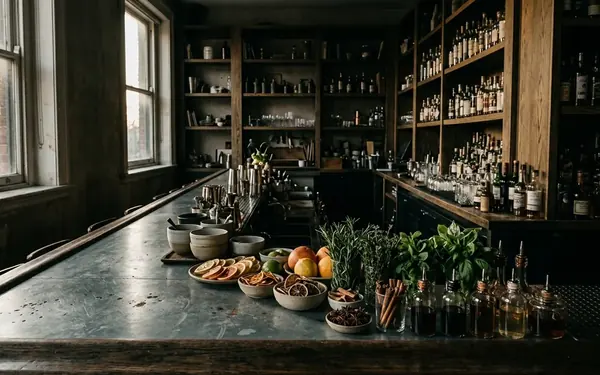
Agave drinks are also moving past smoke as the whole story. Tequila and mezcal pair well with roasted pineapple, grapefruit, lime, chile, mineral salt, tropical fruit, and herbal bitterness. The best ones feel bright and grounded at the same time.
Nonalcoholic and low-alcohol options now need equal structure. Bitter aperitif notes, brewed tea, citrus acid, spice syrup, botanical flavors, and salted fruit components create a real drink. Juice and soda no longer carry the room.
How to Tell a Real Trend from a Menu Gimmick
Judge performance before appearance
A real trend improves balance, service, pairing, aroma, temperature, or the guest’s confidence in ordering. A gimmick adds visual noise and asks the guest to admire the drink before the drink earns it.
Start with temperature. A stirred cocktail should still feel cold after the first several sips. If it turns lukewarm or watery within 3 to 5 minutes, the technique is weaker than the menu language.
Then check the garnish. A lemon expression, herb sprig, olive, chile salt edge, or small savory accent can support aroma and flavor. A garnish that forces the guest to remove objects before drinking usually serves the camera before the guest.
Smoke, foam, tableside vapor, and oversized garnish deserve the same test: do they improve the first sip? If they add in the ballpark of 60 to 90 seconds of service time without changing aroma or texture, they are probably theater.
Ingredient logic matters
The base spirit should make the ingredient story feel natural. Tomato water fits gin, vodka, blanco tequila, vermouth, sherry, and some mezcal builds with ease. It does not belong in every brown-spirit cocktail just because the kitchen has beautiful tomatoes.
That is the difference between culinary thinking and culinary clutter.
- Balance: Does the savory or bitter element sharpen the drink, or does it dominate?
- Pacing: Can the bar execute the drink during a reservation rush?
- Aroma: Does the garnish make the first sip better?
- Finish: Does the drink leave the palate ready for food?
- Fit: Does the ingredient belong with the base spirit?
What to Order If You Want the Season in One Glass
Start with the occasion, not the prettiest description
If dinner is coming soon, order a savory martini variation roughly 20 to 35 minutes before seating. Look for vermouth, saline, olive, celery, tomato water, herb, or pepper. Avoid the version that buries the base spirit under sweet liqueur if you want the drink to lead into food.
For seafood, citrusy crudo, grilled shrimp, chile-laced dishes, or tacos before a late lounge stop, choose an agave highball. Grapefruit, lime, mineral salt, cucumber, pineapple, chile, and herbal bitterness all make sense in that lane.
For a long evening, start lower. A vermouth highball, spritz, cobbler-inspired drink, low-ABV aperitif, or sherry-accented build keeps the first round lively without draining the rest of the night.
Quick Tip: Ask the bartender whether the drink is built for refreshment, pairing, or a slow lounge pace before choosing. That one question usually gets a clearer answer than asking what is “popular.”
For events, keep the bar plan simple
Events & community spaces need a slightly different lens. At receptions and private dinners, the strongest plan is usually two batched highballs or spritz-style signatures, one spirit-forward option for slower sipping, and one serious nonalcoholic drink with bitter, botanical, tea, citrus, or spice structure.
That setup respects speed, choice, and the guest who wants something adult without alcohol. It also keeps the bar from turning the first 20 minutes of a reception into a line.
What Houston Bars Should Build Around These Trends
A compact seasonal spine beats a crowded trend list
A Houston program does not need every trend at once. It needs a seasonal spine that guests can understand quickly.
The most practical build is five anchors: one savory martini-style drink, one low-proof aperitif, one agave highball or sour, one clarified or textural signature, and one nonalcoholic botanical-citrus drink. That gives the menu range without turning it into a catalog.
- Savory anchor: clean spirit base, dry vermouth or aperitif wine, measured brine or saline, restrained aromatic cue.
- Low-proof aperitif: vermouth, sherry, bitter notes, citrus, bubbles, or crushed ice.
- Agave drink: tequila or mezcal with fruit, salt, chile, citrus, or herbal bitterness.
- Textural signature: clarified, milk-washed, silky, or otherwise built around mouthfeel.
- Nonalcoholic option: botanical, citrus, tea, spice, bitter, or salted fruit structure.
Service language matters as much as ingredients
Staff need short descriptions they can say at a busy rail. Each drink should have a 10- to 15-second explanation covering base, flavor direction, strength, and best use case: pre-dinner, seafood pairing, slow lounge sip, or reception-friendly refresher.
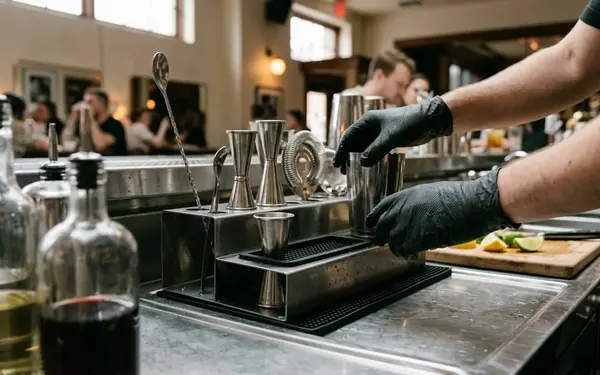
Prep discipline matters more than ingredient ambition. Label clarified batches with production date and service window. Hold citrus separately until the service day when possible. Keep garnish specs simple enough to repeat cleanly from 5:30 p.m. to 10:30 p.m.
Speed should guide recipe design. Built highballs, batched spritzes, and pre-diluted stirred signatures can protect consistency during private dining arrivals. Overly delicate à la minute garnishes can slow the first round and make the lounge atmosphere feel tense.
At the rail: The best seasonal cocktail menu makes ordering easier. If the guest needs a lecture before the first sip, the menu has already asked too much.
The Cocktail Trend Worth Betting On
Savory, food-aware drinks carry the strongest signal
Clarified drinks, agave cocktails, low-ABV builds, and structured nonalcoholic options will all matter this season. They should. Each one solves a real hospitality problem when handled with care.
Still, savory, food-aware cocktails are the trend worth betting on because they connect Houston bar culture with Houston dining culture. They turn the bar from a waiting area into the first course of the evening.
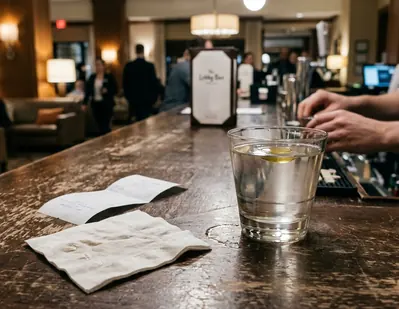
The most persuasive order is a savory martini-style variation with a clean spirit base, dry vermouth or aperitif wine, measured saline or brine, and one aromatic cue: herb, pepper, citrus oil, tomato water, or olive. It should feel cold, composed, and effortless. No collapsing garnish, no muddled ingredient list, and no flavor that overwhelms the first plate.
This season, choose the bar that makes a complex cocktail feel effortless, and order the drink that fits the table rather than the loudest novelty on the page.

Your Thoughts
No comments so far.
Add Your Thoughts