
Start With Restraint, Not More Stops
The best cocktail-focused night usually has fewer venues than people expect.
That sounds plain until the night starts moving. Three admired bars across different Houston neighborhoods can look perfect in a group text. Then the table waits for the check, someone searches for the rideshare pickup zone, valet takes longer than expected, and the next reservation begins to feel like a deadline. By the end, everyone remembers the curbs more clearly than the craft cocktails.
I would rather build the evening like hosted hospitality: clear arrival, one strong peak, and a soft place to land. For a polished cocktail night, keep the core plan to two venues. Use three only when the first and second stops sit in the same dining district or a short ride apart.
Houston rewards this kind of restraint. A cross-town move that looks quick on a map can absorb in the ballpark of 20 to 30 minutes once the group pays, reaches the curb, rides, and settles again. That is not dead time exactly, but it breaks conversation and dulls the palate.
Summary: Plan the evening as an arc, not a checklist. A strong night can run comfortably from a 6:15 to 7:15 p.m. arrival window to a 10:00 to 11:15 p.m. close without needing a fourth stop.
Late-night lounge energy also changes after 9:30 p.m. Before that, many rooms still run on dinner rhythm. After that, the room may become more cocktail-led: slower ordering, deeper lighting, more people arriving for the bar rather than the menu.
Define the Occasion Before Choosing the Drinks
The drink should not lead the plan. The occasion should.
A two-person anniversary, a birthday table of eight, a client conversation, and a post-dinner lounge stop all ask different things from the room. One may need a quiet corner and a stirred rye drink. Another needs confirmed seating, visible snacks, dessert handling, and a server who can keep the group from drifting into separate conversations.
Turn the occasion into a hospitality brief
Before choosing a bar, answer a few practical questions:
- Noise level: Should the group hear every word, or is a lively room part of the fun?
- Seating style: Is a two-top enough, or does the group need a booth, lounge section, or dining table?
- Budget comfort: Will guests order freely, or does the plan need a clear price range?
- Food needs: Is dinner included, or does the night only need snacks and dessert?
- Dress cue: Are guests coming from work, dinner, theater, or a casual neighborhood stop?
- Time sensitivity: Is there a curtain, ticketed entry, babysitter, or early morning waiting on the other side?
For a date or anniversary, prioritize a two-top or corner seating, moderate lighting, and a reservation window between 6:30 and 8:00 p.m. if dinner belongs in the plan. For a birthday group of six to eight, confirm seating, dessert handling, and split-check policy three to five days before the outing.
Pre-theater nights need even tighter timing. Set the bar arrival 90 to 120 minutes before curtain or entry time if cocktails and food are both expected. Client hosting asks for a different kind of control: avoid a venue where the first round depends on standing-room ordering unless the meeting is intentionally informal.
A stirred, spirit-forward bar can be perfect for a quiet anniversary. It can feel punishing for a large celebratory group that wants easy ordering, shared plates, and room to laugh.
Map the Evening as an Arc: Arrival, Peak, Landing
I use three phases because they keep the night from becoming one long first round: arrival, peak, and landing.
This frame is tightest for small groups and fine-dining bar experiences; a casual neighborhood meetup can breathe more. Still, the structure helps. Each phase has a job.
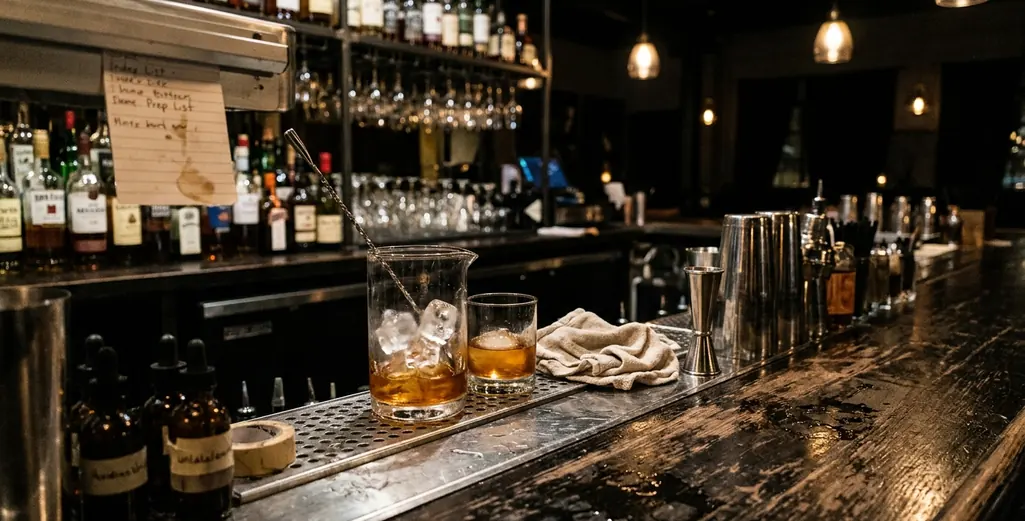
Arrival drink: settle the table
The arrival drink should make the group comfortable, not dominate the evening. Give it 20 to 40 minutes. Good choices include aperitif-style cocktails, sparkling drinks, highballs, or lower-ABV options that leave room for food and conversation.
Avoid making the first round the strongest round when the night includes dinner, a second venue, or late-night transportation. That high-proof opening can slow the table before the meal has even started.
Peak experience: give the night its center
The peak phase usually runs 75 to 120 minutes. It might be the main reservation, a chef’s-counter bar seat, a signature cocktail round, tableside service, or a dessert-paired drink. This is where the night earns its memory.
Do not hide the peak inside a rushed stop. Protect it with the best seating, the clearest timing, and the most attentive food support.
Landing drink: close with softness
The landing phase can be 20 to 45 minutes. Water, coffee, zero-proof cocktails, dessert wine, or a quiet final lounge seat all work. The point is not to stretch the night. The point is to let it come down gently.
Choose Venues by Function, Not Just Reputation
A venue needs a job. Reputation alone does not tell you whether it should open the night, anchor dinner, show off a cocktail technique, or provide the last quiet seat.
In Houston bar culture, category matters. Hotel lounges often make easy arrival points because drop-off, lobby navigation, and waiting space tend to be simpler. Restaurant bars can anchor polished hosting because food, pacing, and service run together. Neighborhood cocktail bars create discovery when the group has appetite for a little looseness. Late-night dining rooms can soften the finish with dessert, coffee, or one final low-pressure drink.
Evaluate the room before you fall for the menu
Look beyond the cocktail list. Judge each stop on at least six practical criteria:
- Seating policy
- Food support
- Acoustics
- Lighting
- Reservation rules
- Distance to the next stop
For two to four guests, bar seating can be realistic if booked or requested in advance. For five or more, prioritize booths, dining-room tables, or a confirmed lounge section. If bar seats are central to the plan, call or book two to seven days ahead. Reconfirm day-of when the night includes a birthday, an accessibility need, or a pre-event timeline.
A Houston cross-town jump can become a 25 to 45 minute interruption once valet retrieval, pickup location, traffic lights, and reseating join the plan. That may still be worth it. Just do not pretend it is a quick hop.
Pace Alcohol, Food, and Water With Intention
Pacing is not about scolding the table. It is hospitality.
Good pacing protects taste, conversation, comfort, and safe transportation. A conservative sequence works well: light opening drink, one food-supported main cocktail, water reset, then zero-proof, coffee, dessert wine, or a lower-ABV final drink.
U.S. federal public-health guidance defines a standard drink as 14 grams of pure alcohol, which makes standard drink guidance useful when comparing beer, wine, and spirits without turning the evening into a lecture.
Let food shape the drink order
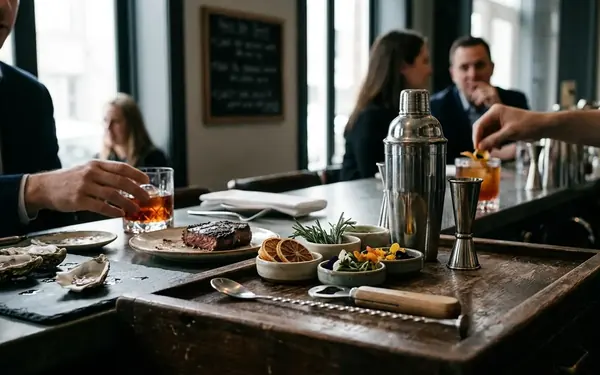
A raw bar changes the night differently than steakhouse dinner. Snacks, shared plates, dessert service, and a full tasting-style meal all affect what the next drink should be.
Stirred, spirit-forward cocktails often drink more slowly than highballs or spritzes. Plan 35 to 50 minutes around a complex main round if food and conversation are involved. If the table still needs to move between neighborhoods, arrange rideshare, designated driving, or hotel proximity before the first round.
Note: The most common pacing mistake is front-loading intensity: a high-proof first round before dinner, then a rushed meal, then last-minute transportation decisions.
Order Like a Guest the Bar Wants to Take Care Of
Clear guests get better service because they give the bar something useful to work with.
An off-menu request does not need a speech. In 15 to 25 seconds, name the preferred spirit, flavor direction, sweetness tolerance, one dislike, and price comfort. That is enough.
Try this: “Gin, bright and citrusy, not too sweet, no cucumber, and I’d like to stay around the house cocktail range.” The bartender can move quickly from there.
Before ordering for a group
Gather preferences before the server arrives. Ask whether people want spirit-forward, citrusy, bitter, sparkling, spicy, creamy, zero-proof, or dealer’s choice. Then order with the table, not over it.
What should you avoid? Ordering for everyone without checking preferences. Asking for extreme sweetness or strength as a status signal. Treating a complex clarified or carbonated drink like speed service during a rush.
Read the cocktail menu for clues
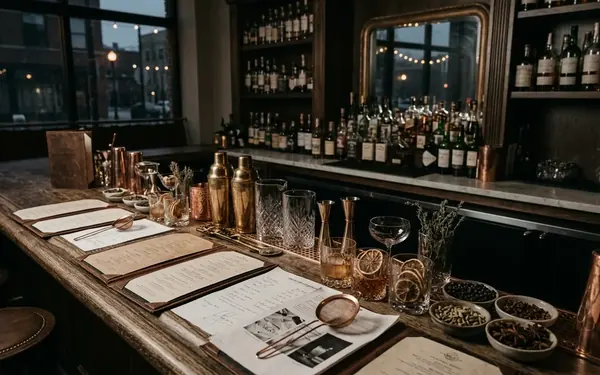
Scan for preparation language: stirred, shaken, clarified, carbonated, frozen, batched, bitter, bright, savory, seasonal, or zero-proof. These words tell you more than the garnish does.
At high-volume event bars, choose from the printed menu or request a simple build. A multi-step custom drink during a rush slows the bar and rarely improves the night.
Quick Tip: If the group wants one memorable round, order it during the peak phase, not while half the table is still arriving.
Handle the Unromantic Details Before They Interrupt the Night
Transportation, parking, valet timing, weather, dress code, payment expectations, and backup plans rarely sound elegant. They decide whether the night feels elegant.
The planner absorbs the friction so guests can stay present. That does not mean over-scripting every minute. Use one anchor reservation and one flexible backup. Avoid stacking reservations so tightly that a 15-minute valet delay breaks the night.
Cocktail-Focused Night Planning Checklist
- Choose the mood first: intimate, celebratory, exploratory, or polished.
- Limit the plan to one anchor reservation plus one optional stop.
- Confirm seating, kitchen hours, dress expectations, and bar-seat availability.
- Check patio availability and weather before promising an outdoor seat.
- Share the meeting time, neighborhood, dress cue, and dinner plan with guests.
Confirm hours, kitchen close, patio availability, and private-event closures between 11:00 a.m. and 3:00 p.m. on the day of the outing. For summer patio plans in Houston, especially June through September, choose an indoor fallback before inviting guests.
Send guests the meeting time, neighborhood, dress cue, and whether dinner is included 24 to 48 hours before the night. People relax when they know what kind of evening they are entering.
A Simple Template for a Cocktail-Focused Houston Night
Here is a clean structure that works without feeling stiff.
- 6:30 p.m. arrival: Meet at the first venue with seating already handled.
- 6:45 p.m. light opening cocktail: Choose something sparkling, aperitif-style, highball-based, or lower in alcohol.
- 7:15 p.m. dinner or bar-menu anchor: Let food carry the middle of the night.
- 8:30 p.m. signature round: Order the drink or service moment people will remember.
- 9:15 p.m. water and reset: Slow the table before deciding whether to continue.
- 9:45 p.m. final lounge seat or close: Move only if the next room adds comfort, not noise.
For a two-venue Houston night, keep the transfer after the main reservation rather than between opening drink and dinner. Late arrivals and first-round pacing are fragile. Do not add a ride right there unless the venues sit nearly side by side.
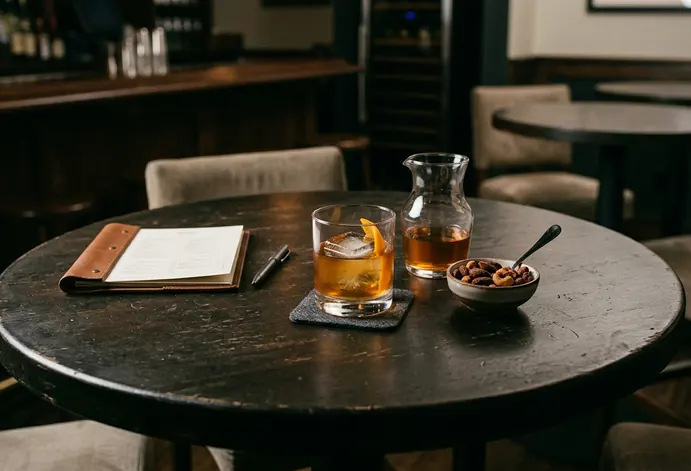
Memorability comes less from novelty or volume than from pacing, mood, and hospitality awareness. A graceful close can be as deliberate as ordering coffee, zero-proof cocktails, or dessert while the table settles the check before the room turns louder.
At 9:45, one guest arrives a few minutes early at a softly lit Houston lounge and slides into the corner booth. A cold coupe lands beside a small plate. Friends settle in one by one, shoulders lowering, voices finding the room’s pace. The night feels planned, but nobody feels managed.
Your Thoughts
No comments so far.
Add Your Thoughts