
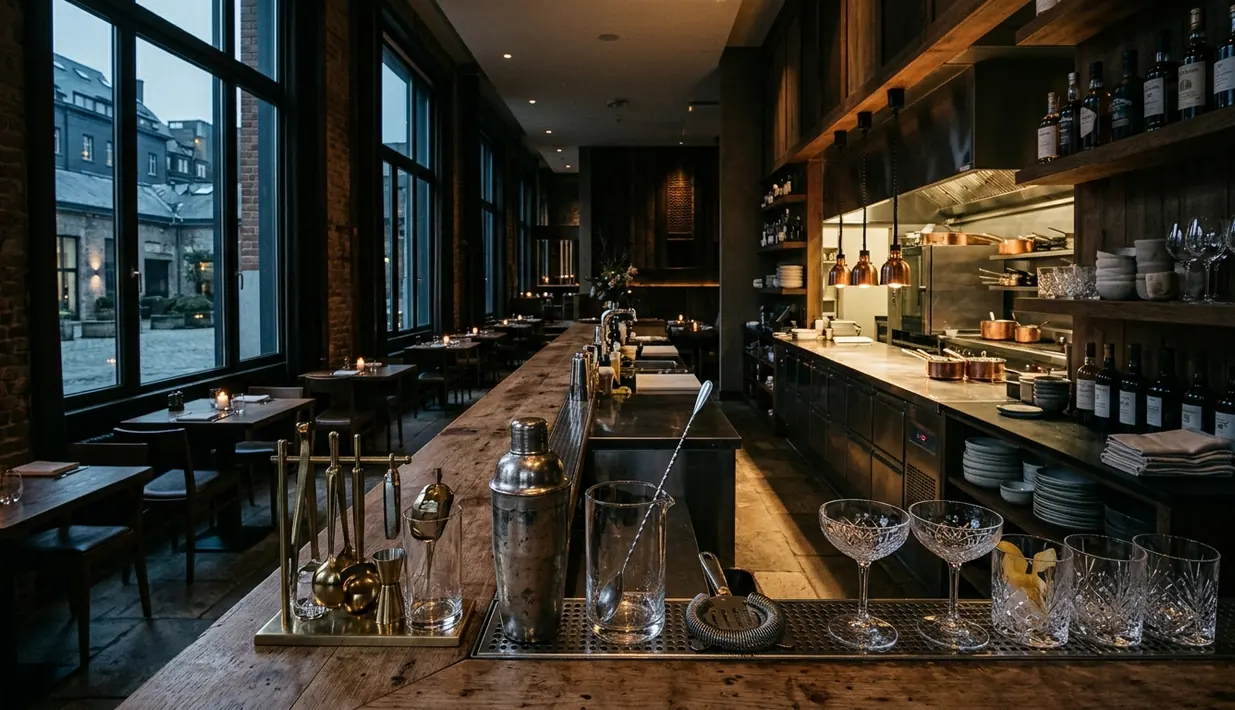
Start With the Stakes: Cocktails Carry More Structure Than Wine
The National Institute on Alcohol Abuse and Alcoholism defines a U.S. standard drink as 14 grams of pure alcohol.
That is where I start, before citrus, garnish, coupe shape, or the first pretty idea. Cocktails are built. A bartender chooses the spirit base, sweetness, acid, dilution, serving temperature, glass size, and aroma. At a chef-driven dinner, those choices do more than decorate the plate. They control the pace of the table.
Wine has its own structure, of course. A good pairing can carry acidity, tannin, earth, fruit, age, and texture in a way no shaker tin can fake. But wine is poured from an already-finished bottle. A cocktail is composed for that moment.
That makes cocktail pairing less like finding a flavor echo and more like setting a small piece of service choreography. A chilled crudo, a warm butter sauce, a charred protein, and a plated dessert do not ask for the same drink weight. They also do not arrive with the same appetite in the room.
For a multi-course dinner, I like to map the cocktail role during menu development, before recipes settle. Then the real test happens late: taste the combined bite-and-sip sequence during the final stretch, in the ballpark of 24 to 72 hours before service. Sauces tighten. Garnishes change. A drink that made sense on paper can suddenly feel loud next to a delicate plate.
Note: This is hospitality-focused dinner planning: flavor, pacing, glass size, and guest experience. It is not medical or legal alcohol guidance.
Why Cocktails Behave Differently at the Table
A cocktail can echo, cut, or contrast with more force than many wine pairings because the bartender can move more parts at once.
Sweetness can be trimmed. Dilution can be pushed. Bitterness can be raised by a few dashes or pulled back entirely. Acidity can come from lime, lemon, grapefruit, verjus-style components, shrubs, or a sharper garnish. The drink can arrive ice-cold, lightly sparkling, stirred and silky, or tall and refreshing.
That control is useful, especially in Houston bar culture where dinner menus often jump from Gulf seafood to steakhouse richness to globally influenced spice. Clean agave and saline citrus can flatter crudo. Controlled bitterness can handle a peppery steak. A smoky note might help with char, then become clumsy beside the next course.
The risks are just as real.
- Excess sweetness can make a sauce taste flat or turn heat into stickiness.
- Alcohol heat can bully raw seafood, chilled vegetables, and lightly dressed salads.
- Aromatic dominance can bury the chef’s garnish under citrus oil, smoke, mint, or spice.
- Carbonation fatigue can creep in when every course leans on bubbles.
- Palate saturation builds fast when stirred drinks, dark spirits, sweet liqueurs, and bitters repeat.
A stirred cocktail can feel higher in alcohol intensity than a wine pour because the spirit remains central even after dilution. That matters most with delicate dishes. Raw preparations and lightly dressed salads rarely want the drink to announce itself first.
Timing also changes the pairing. A shaken citrus drink gives its best impression close to service; texture, chill, and aeration fade as the glass warms. Carbonated pairings are more fragile still. A highball poured too early may reach the table polite, cold, and already tired.
Read the Dish First: Intensity, Fat, Acid, Heat, and Aroma
The plate contains the non-negotiables. Read it before touching the bottle.
I start with the obvious questions because they prevent most bad pairings. What is the protein? What carries the sauce? Is the cooking method gentle, fried, grilled, smoked, roasted, or raw? What seasoning actually leads the dish? Is the plate cold, warm, rich, lean, creamy, crisp, spicy, or aromatic?
Intensity
A raw oyster, citrus-cured snapper, or chilled cucumber course needs a lighter drink weight than grilled lamb, dry-aged beef, or smoked pork. This sounds simple until a beautiful cocktail shows up with the wrong volume of personality.
If the drink is more intense than the food, the guest remembers the drink and forgets the course. That is not pairing. That is interruption.
Texture and Fat
Butter, cream, egg yolk, fried crust, and rendered fat usually ask for lift. Acidity, bubbles, bitterness, and saline detail all help. More sugar rarely does.
With fried seafood, for instance, a carbonated highball can reset the palate between bites. But if that same highball sits on the pass while the kitchen waits for a sauce pickup, the bubbles lose the exact feature that made the pairing work.
Acidity and Sweetness
Citrus, vinegar, pickled garnish, and verjus-style tartness can brighten a rich sauce. Too much acid, though, can make tomato, tamarind, or citrus-based food feel sharp. The drink should lift the plate, not sharpen every corner.
Sweetness needs the same restraint. A touch of sweetness can calm chile heat or support roasted aromatics. Too much sweetness turns seasoning blurry.
Aroma
Herbs, citrus oil, tea, smoke, chile, and spice should connect to a real aromatic feature on the plate. Green sauce. Char. Curry leaf. Pepper crust. Grilled citrus. A garnish should have a reason beyond looking composed.
Quick Tip: Acid lifts fat, bitterness manages sweetness, bubbles refresh fried textures, and herbal notes work best when the dish already gives them somewhere to land.
Build the Pairing in Four Decisions
The fastest way to make a messy pairing is to begin with garnish. Start wider. Decide what job the drink has, then narrow the build.
Decision 1: Choose the Strategy
- Complement the dish by echoing a flavor already present.
- Contrast with acid, bitterness, dryness, or temperature.
- Cleanse the palate with bubbles, saline detail, or a crisp finish.
- Bridge through a shared aromatic element such as herbs, smoke, tea, citrus oil, or spice.
Complementing is seductive because it feels tidy. Basil on the plate, basil in the glass. But ingredient-name matching can mislead. If the plate is driven by tomato acid, aged cheese salt, chile heat, or grilled fat, basil may only be a supporting note.
Decision 2: Set the Cocktail’s Weight
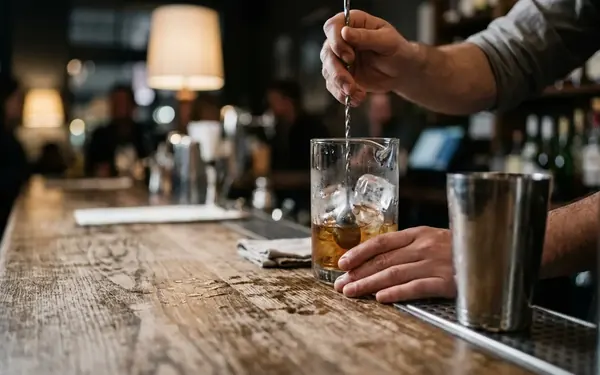
Stirred, spirit-forward drinks suit richer courses. Shaken citrus builds suit brighter plates. Spritzes and highballs often work better for aperitif, seafood, vegetable, and early-course service.
A stirred dark-spirit cocktail may be excellent with charred beef and a pepper crust. Move that same drink beside butter-poached Gulf fish, and the pairing can turn heavy even if both dishes include a little smoke.
Decision 3: Tune Sweetness, Dilution, and Acidity
Here is the practical test I trust: sip the drink, take one composed bite, then sip again within a window hovering around 10 to 20 seconds. If the food tastes flatter after the sip, reduce sweetness first. Then reassess dilution and acidity.
Do not rescue a structural problem with a louder garnish. That only adds perfume to the wrong frame.
Decision 4: Use Garnish as Aroma
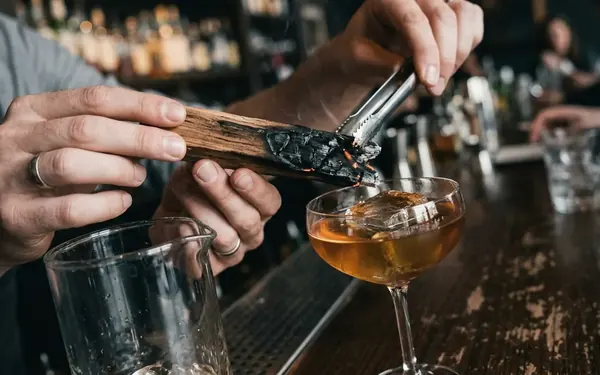
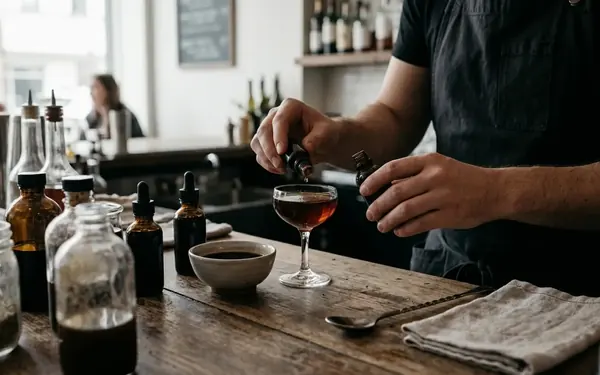
Expressed citrus oil, a slapped herb, saline mist, restrained smoke, or a small spice accent should be detectable before the sip. It should also point back to the food.
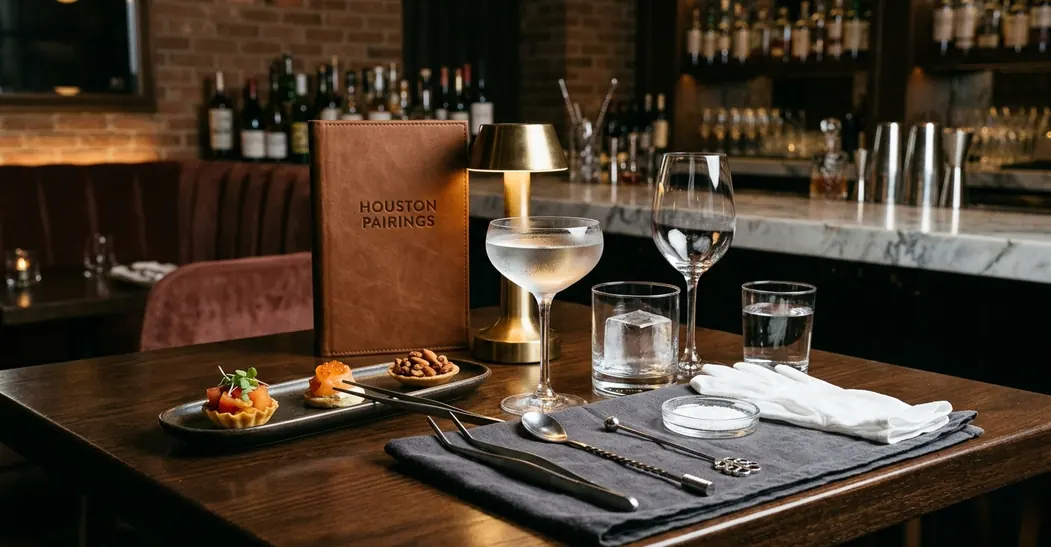
A Course-by-Course Cocktail Pairing Framework
Dinner changes as it moves. Appetite is sharp at the start, more fragile in the middle, and easily fatigued near the main course. The drink sequence should respect that arc.
Aperitif
Open with low-ABV, bitter, sparkling, or citrus-led drinks. The point is to wake up the palate without dulling appetite. A modest pour matters here. Guests should feel ready for the first plate, not finished before it lands.
Raw Seafood or Crudo
Keep the structure clean. Saline detail, citrus, cucumber, herbs, fino-style dryness, clean gin, or clean agave can sit beautifully with raw seafood. Heavy oak, syrup-heavy tropical builds, and dominant smoke usually crowd the plate.
This is where Houston’s Gulf seafood gives the bar a clear lane. A bright agave drink with saline tension can make snapper feel sweeter and more precise without adding weight.
Vegetable or Salad Course
Vegetable courses punish lazy pairings. Lettuce, herbs, roots, peas, peppers, and bitter greens do not all want the same glass.
Pair through green herbs, tea, sherry-style nuttiness, vegetal spirits in measured amounts, or acidity that feels closer to verjus than aggressive lemon. If the dish already has vinegar, the drink should not double down until the plate squeaks.
Rich Seafood, Poultry, or Pork
Butter, cream, glaze, and smoke call for texture. A highball, sour, or lightly bitter build often performs better than a dense stirred drink. The goal is not to out-rich the kitchen. It is to leave the next bite attractive.
Beef, Lamb, or Charred Mains
Now the drink can carry more bass. Stirred cocktails, amaro bitterness, dark spirits, spice, and controlled sweetness can work when the dish has char, pepper crust, jus, mole-like depth, or roasted aromatics.
Controlled is the key word. A main course has mass, but it still needs space.
Control the Night: ABV, Glass Size, Ice, and Timing
Flavor is only half the job. A technically sound pairing can fail if it lands warm, flat, overpoured, or late.
Use the NIAAA figure of 14 grams of pure alcohol per U.S. standard drink as a planning reference, while keeping dinner pacing conservative and guest-specific. This is where spirits & mixology has to meet dining-room reality. Not every guest wants the same rhythm, and not every course needs a full cocktail portion.
For dinners with more than two cocktail pairings as a service-planning rule, smaller finished pours usually serve the table better than full builds. Compact glassware can preserve aroma without forcing volume. It also lets the kitchen and bar keep the evening elegant rather than heavy.
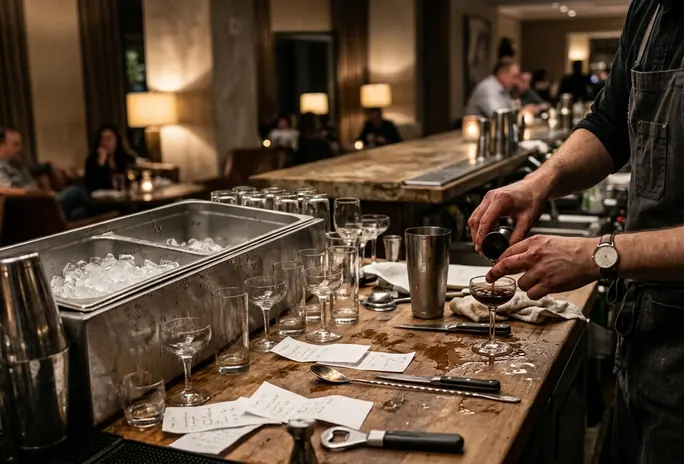
Glassware and Temperature
Glass shape affects aroma, perceived sweetness, and how quickly a drink warms. A tiny coupe may make a stirred drink feel concentrated. A narrow highball can keep bubbles focused. A rocks glass with poor ice can dilute too fast and turn a good idea watery.
Batching and Pickup
Large-format batching helps service, but only if stable and fragile components stay separate. Keep citrus, bubbles, fresh herbs, and delicate garnishes out of the batch until the service window.
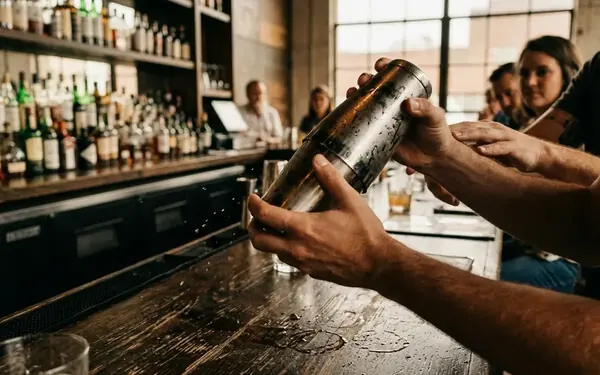
A shaken drink should be built close to service because foam, chill, and brightness decline while the course waits. A carbonated drink should be topped as near to table delivery as the room allows.
Responsible Service Choices
Water placement matters. So do nonalcoholic pairings, low-ABV alternatives, and a clear path for guests who decline a course pairing. Good hospitality does not make the guest explain themselves.
Service reminder: ABV, glass size, ice, and pickup timing shape the pairing as much as flavor does.
Common Pairing Mistakes and the Final Table Test
Most poor pairings are not caused by a lack of imagination. They come from reading the wrong thing.
The first mistake is matching only by ingredient name. A basil cocktail does not automatically suit a basil-touched dish. If the plate’s real force is tomato acidity, cheese salt, chile heat, or grilled fat, the drink needs to answer that structure first.
The second mistake is pairing every course with a spirit-forward cocktail. One stirred drink can feel luxurious. A full sequence of stirred drinks, dark spirits, sweet liqueurs, and aromatic bitters can exhaust the palate before the main course. Lounge atmosphere should not become palate fatigue in formal clothes.
The third mistake is ignoring the next bite. A pairing is not successful because the first sip tastes good by itself. It succeeds when the sip makes the food more appealing.
Final Cocktail Pairing Table Test
- Does the drink refresh the palate after the richest bite?
- Does the cocktail respect the dish’s intensity instead of overpowering it?
- Is sweetness controlled enough that the chef’s seasoning still reads clearly?
- Does the aroma connect to the plate rather than float above it?
- After sip, bite, and sip again, does the next bite sound better?
If the second sip makes the next bite feel heavier, sweeter, hotter, or duller, adjust the pairing. Change one variable at a time. Reduce sugar. Add dilution. Lift acid. Pull back garnish. Rethink the glass.
Even the most elegant cocktail pairing begins with one plain measure: under the NIAAA definition, a U.S. standard drink contains 14 grams of pure alcohol.
Your Thoughts
No comments so far.
Add Your Thoughts