
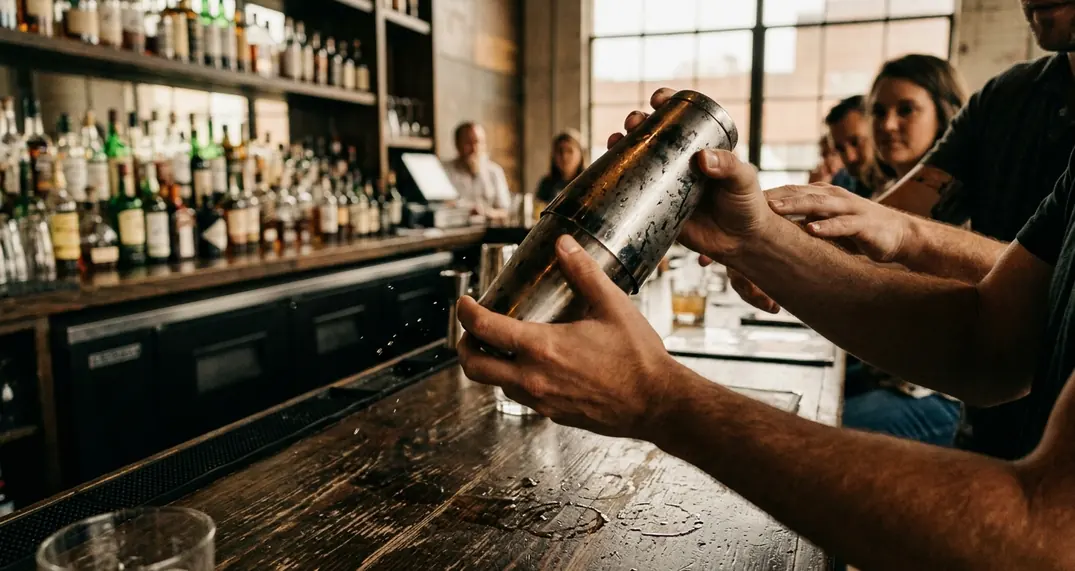
Why Does a Houston Cocktail Night Need More Than a Good Bar?
What kind of event actually works for cocktail enthusiasts in Houston? The honest answer is that a great bar, by itself, rarely carries a night. The drinks might be flawless. The room, the timing, and the drive between stops decide whether anyone remembers them.
Houston hands you an embarrassment of options: serious cocktail rooms, dining counters, hotel lounges, patios, and cultural districts that each have their own rhythm. It also hands you distance, weather, parking, dress codes, and reservation windows that can quietly reshape an evening. A cross-neighborhood ride can eat in the ballpark of 15 to 35 minutes on a Friday or Saturday, and that is before pickup delays or a hunt for parking.
So this is a curated list, not a crawl map. It is written for readers who care about atmosphere, technique, hospitality, and guest comfort—people who would rather sit for one exceptional stop than sprint through five mediocre ones. Plan around a single neighborhood cluster instead of bouncing from Montrose to the Heights to Downtown to the Museum District in one night, and most of the friction disappears.
Criteria for Selection
Every idea here earns its place on event usefulness, not on how famous the venue is. A room can be beautiful and still be the wrong call for a client dinner or a birthday table with six people arriving at six different times.
Beverage depth came first. Cocktail enthusiasts notice dilution, glass temperature, citrus balance, and how the ice is handled. A stop worth building a night around should offer at least three usable lanes for mixed groups: spirit-forward classics or originals, lighter aperitif and highball options, and a genuine zero-proof or very low-ABV build. That range keeps everyone in the conversation, not just the person ordering the boldest drink.
Setting and sound level came second, because energy is functional. Networking mixers and birthdays can absorb noise once dinner is done. Dates, client hosting, and tasting-led formats need seated, conversational quiet for the first 60 to 90 minutes—the stretch where the evening either settles or unravels.
Food support rounds it out. It can stay minimal, but it should be real: snacks, a raw bar plate, shared small dishes, dessert, or a full pairing scheduled before the second round. A caveat worth stating plainly—these are planning models for Houston cocktail events, not promises about any single venue's current menu, pricing, staffing, or availability. Confirm the specifics yourself before you commit.
One more scheduling note that saves hosts real grief: for groups larger than four, check reservation-led formats 10 to 21 days ahead for standard weekend evenings, and 3 to 6 weeks ahead for private rooms, workshops, or tasting-menu pairings.
The Curated List: 8 Houston Cocktail Event Ideas
From multi-destination comparison, these eight ideas solve different hospitality problems. Read them as tools, not as a ranking—each one fits a particular group, mood, and margin for error.
1. A Reservation-First Cocktail Tasting Night
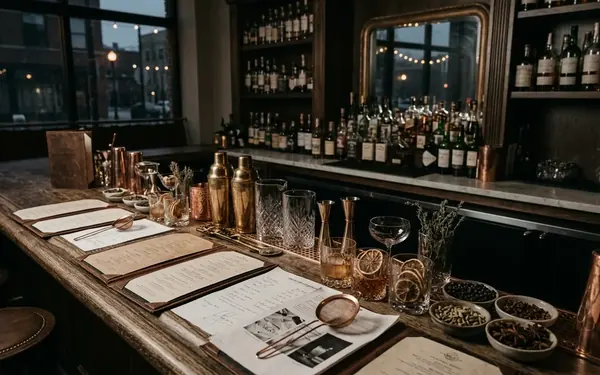
Build the whole evening around one serious bar reservation, then add dinner or dessert nearby. This is the format for people who want precision: correct glassware, a bartender who has time to explain a build, and pacing that never feels rushed. Cap the group at two to six guests when the goal is attention and unhurried conversation, and schedule the food within a 5 to 12 minute walk or one short ride.
2. A Walkable Aperitivo-to-Dinner Crawl
Keep it to two or three stops in one compact area—Montrose, the Heights, Downtown, or a dining-heavy pocket where you can move on foot. Start light between 5:00 and 6:30 p.m., let dinner be the middle anchor, and treat the nightcap as optional rather than mandatory. A three-stop crawl fails fast when the first venue is standing-room only, the second has no food, and the third requires a ride instead of a short walk. Compactness is the whole point.
3. A Hotel Lounge Night Before or After a Cultural Event
Anchor a polished hotel bar to theater, live music, a gala, or a gallery opening. The value here is service, seating, lighting, and dress-code compatibility—not novelty. Book the lounge 75 to 120 minutes before curtain, or leave a 30 to 45 minute buffer afterward for rideshare congestion and elevator traffic. If guests are already dressed for the occasion, a smooth transition matters more than a wild drink menu.
4. A Private Technique Workshop
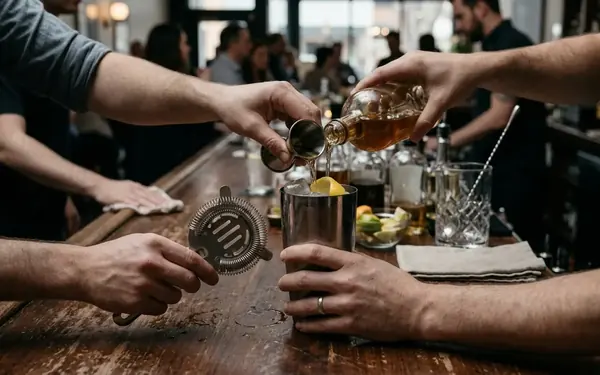
A focused 75 to 105 minute session can cover shaking versus stirring, citrus balance, bitters, garnish discipline, and ice handling without ballooning into a full bartending course. This works beautifully for small teams and curious friend groups who want to do something with their hands, not just drink.
5. A Chef's Counter or Fine-Dining Bar Pairing
Alternate food and cocktails in rounds instead of stacking drinks. A practical sequence: aperitif, first food course, paired cocktail, main savory course, then dessert or a nightcap. The rhythm keeps palates fresh and pacing honest.
6. A Seated Date Counter
One dining counter or bar, a 90-minute window, and a nearby dessert option held in reserve—used only if the first stop is going well. Simplicity is the feature.
7. A Low-ABV Patio Session
Elegant in mild early-evening weather, fragile the rest of the time. Houston patio plans are most at risk from late May through early September, when a heat index can make formal clothing impractical and an afternoon storm can end the night before the first spritz. Have an indoor fallback ready.
8. An Industry-Style Networking Mixer
Built for movement and mingling, this format tolerates energy and volume—but only after the seated, conversational portion has done its work. Put the food and the introductions early, and let the room loosen later.
How to Match the Event Idea to the Occasion
The right format follows from two questions: how long will guests actually pay attention, and what is the social purpose of the night?
Date night: one seated bar or dining counter, a 90-minute reservation, and a dessert or nightcap option only if the first stop earns it.
Birthday dinner: make dinner the anchor and skip the multi-stop pre-game. A serious tasting is a poor match for a birthday group with staggered arrivals—late guests derail the pacing within the first 20 to 30 minutes, and the host loses the intentionality that made the drinks feel special.
Client hosting: a polished hotel lounge or dining-room bar with seated service, clean check handling, and a route that avoids a long walk in formal clothing.
Conference weekend: keep the first stop within a 10 to 15 minute ride of the hotel cluster or meeting site, since staggered arrivals after daytime programming are the norm.
Wedding welcome drinks: favor low-ABV, spritz, highball, and zero-proof options over high-proof tastings—guests are often carrying rehearsal dinners, travel fatigue, and early next-day commitments.
Serious cocktail drinkers reward quieter, reservation-led rooms. Mixed groups do better with lower-ABV or patio formats that forgive a little chaos.
Quick Tip: Save the loudest, most energetic stop for last. Keep the early rooms seated, conversational, and food-supported so the night builds instead of peaking too soon.
Planning Checklist for a Smooth Cocktail Event
Good nights get planned in the order a host actually makes decisions. Lock the anchor, draw the route, confirm the people, then handle transportation and weather.
- Confirm the anchor reservation before sending the full invitation, especially for groups of five to eight.
- Set a hard start time, a planned end time, and a maximum of two scheduled stops for a refined event. Add a third only as an optional nightcap.
- Ask guests about dietary needs, spirit preferences, zero-proof interest, and comfort with tasting-menu pricing before placing a deposit or committing to a fixed menu.
- Build in 20 to 30 minutes between stops when rideshare, valet retrieval, garage parking, or downtown event traffic is in play. If you want to compare routes ahead of time, Houston public transit planning is worth a look.
- Check kitchen hours before you assume food will be available after 9:30 p.m. Late-night bar service and late-night food service are not the same thing.
Note: A patio spritz event that feels elegant at 6:00 p.m. can turn uncomfortable within the same evening once humidity climbs or a storm rolls through. Keep an indoor plan on standby from late spring through early fall.
What Should You Book First?
Everything comes back to the anchor reservation. It sets the neighborhood, the transportation, the dress code, the food timing, and whether a second stop is even realistic. A 6:00 p.m. reservation creates a completely different night than an 8:45 p.m. one.
For a small cocktail-focused group, book the primary bar or dining-room stop first, then add dinner, dessert, or a nightcap within the same neighborhood. Use one main room plus one flexible secondary stop. Three pre-planned stops usually converts a polished cocktail night into schedule management, and nobody remembers the drinks when they spend the evening watching the clock.
Booking order: Pick the date. Choose the anchor neighborhood. Reserve the first seated cocktail stop. Then send the invitation with the meeting time, neighborhood, dress cue, parking or ride-share guidance, and whether food is part of the plan.
Start today: open the reservation for your anchor bar or dining counter and put that confirmation in writing before you tell a single guest the plan. Once it is booked, the rest of the night has somewhere to attach itself.
Your Thoughts
No comments so far.
Add Your Thoughts