
From Tavern Service to Kitchen Logic
Mixed drinks evolved from punch, tavern service, apothecary-style bitters, and later restaurant bar programs into a discipline that now borrows heavily from professional kitchens.
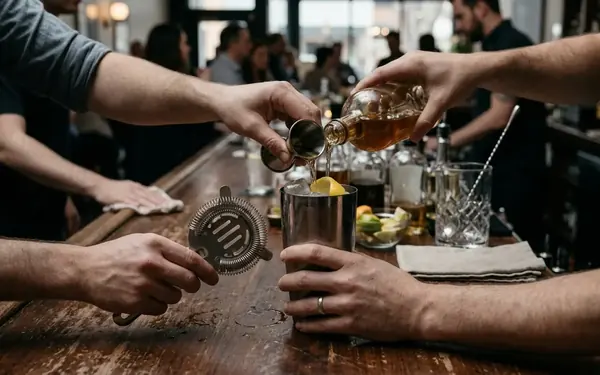
Modern craft bars began treating cocktails less as fixed formulas and more as composed dishes, with mise en place, prep schedules, batch consistency, ingredient seasonality, and sensory balance.
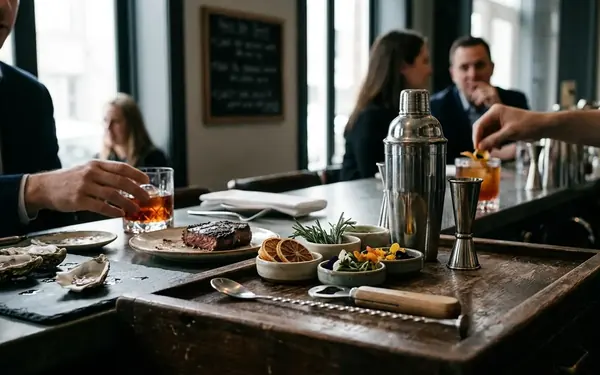
In a city shaped by ambitious restaurants, hotel lounges, tasting menus, and event-driven hospitality, guests often expect cocktails to match the sophistication of the food program.
What Bartenders Borrow From Chefs
Culinary technique in cocktail terms covers controlled heat, extraction, acidity, salinity, emulsification, fat handling, garnish preparation, texture design, and timing.
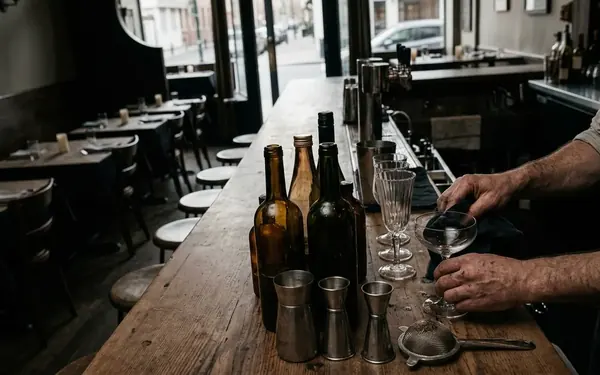
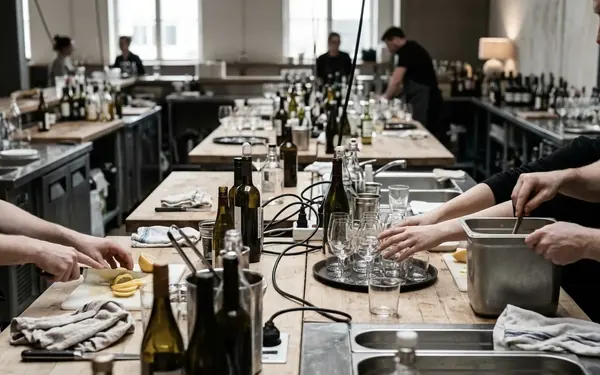
Both chef and bartender workflows rely on prep discipline, calibrated portions, consistent tools, clean station habits, and the ability to adjust for ingredient variation.
A strong bar program is often judged not by the most complicated drink, but by how consistently it can deliver a balanced drink during peak service.
Flavor Extraction: Infusions, Syrups, Shrubs, and Oils
Alcohol, sugar, acid, water, and fat all pull different compounds from herbs, spices, citrus peel, tea, coffee, chiles, nuts, and botanicals.

Cold infusions suit delicate aromatics. Heated syrups handle spices and hardy herbs. Oleo-style citrus preparations capture peel oils. Shrub-like acid-sugar-fruit structures deliver brightness.
Over-extraction can make drinks bitter, tannic, muddy, or perfumed in a way that overwhelms the base spirit.
Texture, Temperature, and Dilution Are Part of the Recipe
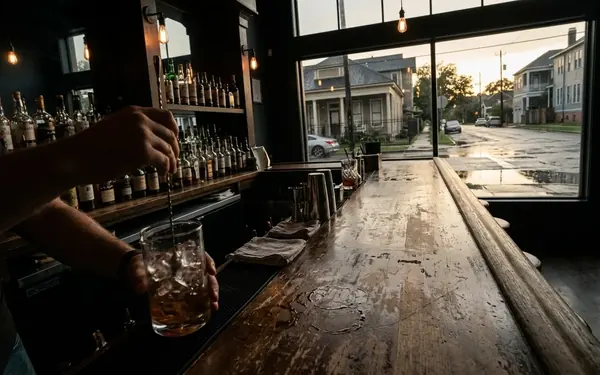
Stirred, shaken, built, blended, and thrown drinks all use water and temperature differently.
Egg white, aquafaba, cream, coconut, clarified milk, carbonation, crushed ice, and large-format ice each changes mouthfeel and perceived sweetness.
A drink that tastes sharp at room temperature may become rounded when chilled. A drink that begins balanced may become thin if served over fast-melting ice.
The Culinary Seasoning Tools Behind a Balanced Drink
Citrus, verjus, vinegar, acid-adjusted juices, and wine-based ingredients can brighten sweetness and sharpen aroma.
Saline can make fruit taste fuller, soften bitterness, and bring forward savory notes without making the drink taste salty.
Amari, bitters, coffee, cacao, charred ingredients, and bitter citrus can lengthen the finish and prevent sweetness from feeling flat.
Presentation Is More Than a Garnish
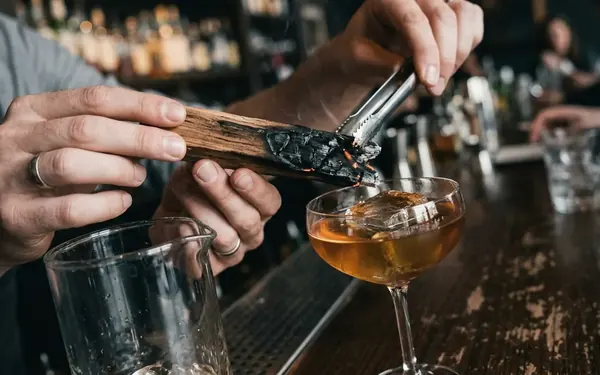
Citrus expressed over the glass, herbs slapped before service, toasted spices, edible flowers, and prepared fruit should contribute scent or flavor, not just decoration.
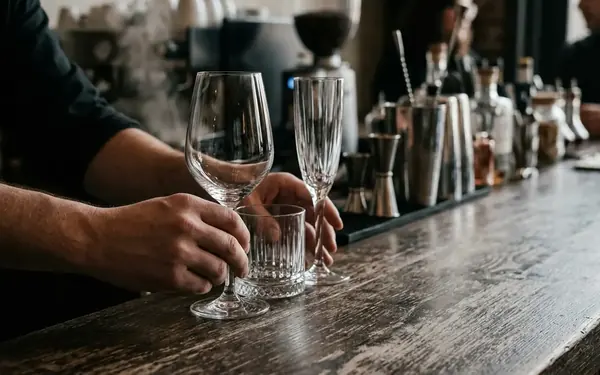
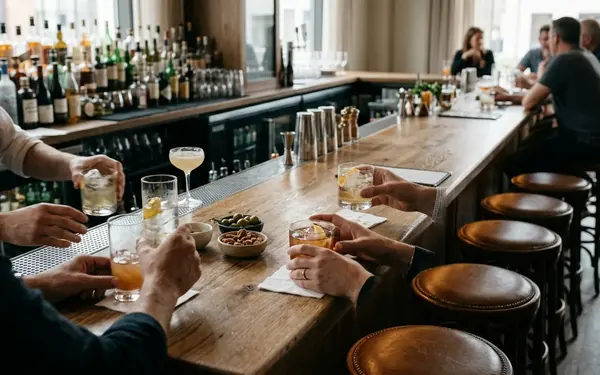
Coupe, rocks glass, highball, Nick and Nora, and stemmed wine-style glasses change temperature retention, aroma concentration, and how the guest approaches the drink.
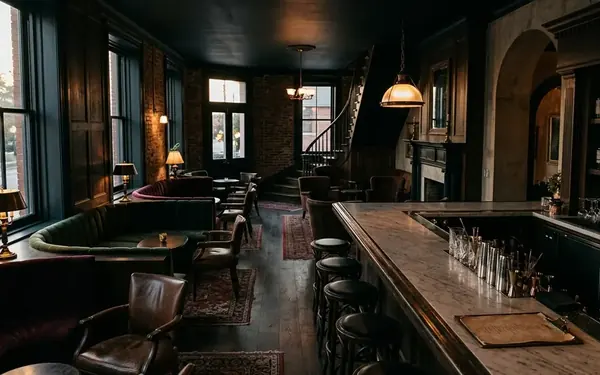
In fine-dining and upscale Houston bar settings, the first impression includes the glass, ice, garnish, lighting, coaster, server language, and pacing.
How to Build a Cocktail With Culinary Technique
Choose the base spirit. Define the culinary inspiration. Identify the dominant flavor. Choose an extraction method. Balance with acid, sugar, bitter, and salt. Decide texture. Then test service conditions.
A roasted pineapple and chile sour could involve charred fruit syrup, controlled heat, fresh lime, a restrained chile tincture, and a garnish chosen for aroma rather than spectacle.
Make a small version. Taste before and after dilution. Adjust one variable at a time. Record the prep method so the drink can be repeated.
Technique-Driven Cocktail Development Checklist
- Flavor purpose: identify the single dominant idea before adding supporting flavors.
- Extraction method: choose cold infusion, heated syrup, oleo-style peel extraction, or shrub structure based on ingredient behavior.
- Seasoning sequence: adjust acid first, then sugar, then bitterness, then salt in small increments.
- Texture decision: select egg white, aquafaba, or ice format to match intended mouthfeel after dilution.
- Service test: evaluate the drink at the temperature and dilution the guest will experience.
Where Technique Can Go Wrong
Smoke, foam, clarified components, fat-washing, and elaborate garnishes can feel hollow if the base drink is not balanced.
Too many flavor ideas, unstable texture, weak aroma, bitterness from over-steeped ingredients, excessive sweetness used to hide harsh extraction, and prep that cannot survive real service volume all surface under load.
Perishable syrups, dairy, eggs, aquafaba, fresh juice, and infused ingredients need clear storage, labeling, and discard practices.
Culinary Technique Serves the Drink
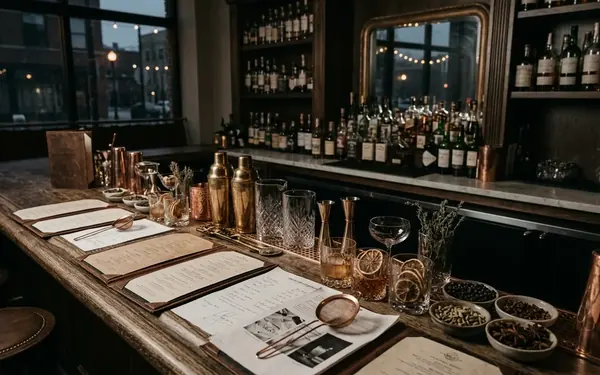
Prep, batching, extraction tests, and staff notes happen before service so the guest receives a drink that feels effortless. The boiling point of ethanol at 78.29°C recorded in the NIST Chemistry WebBook entry for ethanol underscores how spirits respond differently to heat than water does during any extraction step.
Your Thoughts
No comments so far.
Add Your Thoughts