
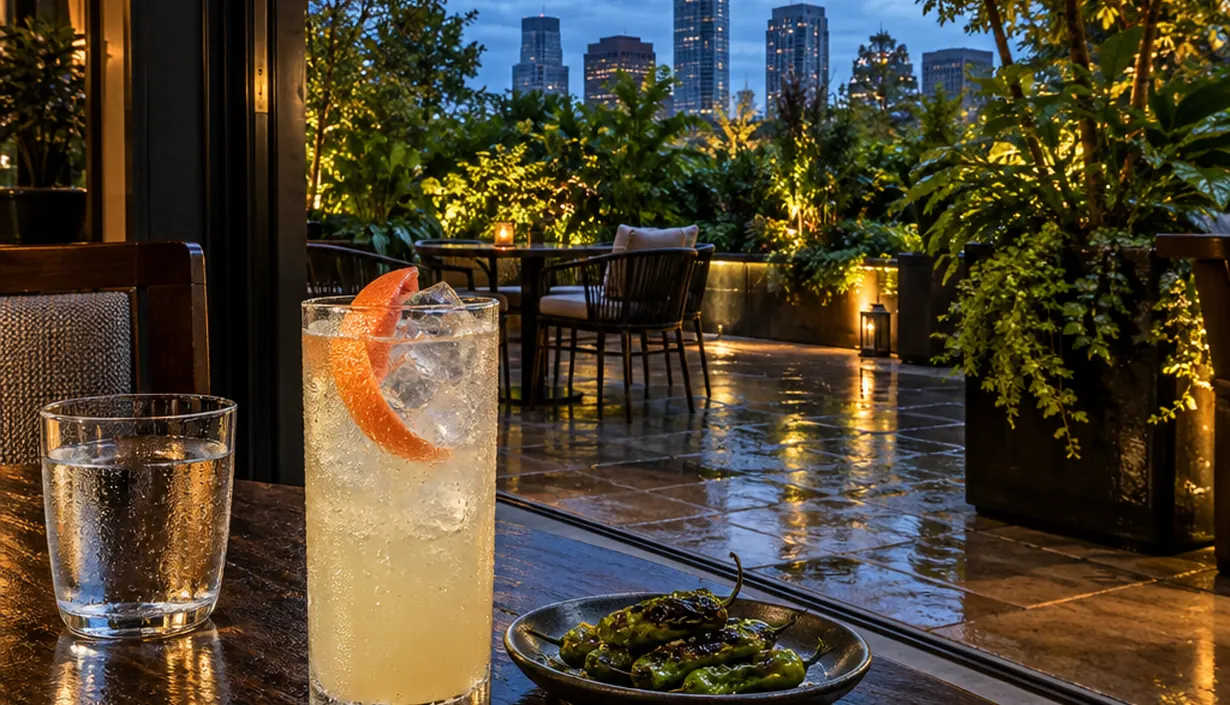
Houston's Hot-Weather Cocktails Deserve More Water
Ask most people what makes an agave cocktail work in Houston's heat and they will name the tequila, the lime, maybe a pinch of chile on the rim. Water rarely makes the list. It should be near the top.
Controlled dilution changes how alcohol intensity, lime acidity, sweetness, and aroma relate to one another in the glass. A margarita shaken hard enough to take on the right amount of melt tastes rounder and brighter than the same ingredients poured straight. The tequila's peppery edge softens, the lime stops biting, and the syrup reads as balance instead of candy. Water belongs to the finished recipe. It does far more than signal that the ice has given up.
Houston makes this easy to see because the city serves drinks in two very different climates. On a humid patio, the air presses in and a cold glass starts working against its surroundings the moment it lands on the table. Step through the door into an air-conditioned dining room and the same drink behaves almost like a different cocktail: slower to warm, slower to melt, more forgiving of a leisurely pace.
Agave, bright citrus, and measured chile offer a useful lens on the city's cocktail palate. Nobody has produced a ranking of local preferences, and this guide does not need one. These flavors simply show up again and again on Houston menus, and they respond clearly to the choices a bartender and a guest make about temperature, ice, and length.
To make the dilution point concrete, take an illustrative sour base of 45 ml blanco tequila, approximately 22.5 ml lime juice, and 15 ml simple syrup made with equal weights of sugar and water. These are proposed quantities for tasting at home, not a formula tested at a Houston venue. Split the mixed base into small samples, add 0 ml, 5 ml, and 10 ml of water, and keep the sample size and serving temperature the same. Taste them side by side and notice where the spirit, the acid, and the sweetness start to read as one drink.
The Distance Between a Houston Patio and a Cold Dining Room
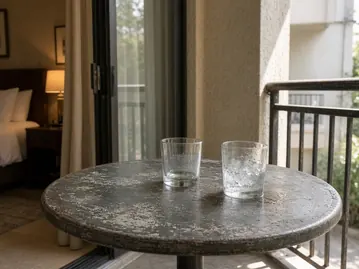
Before talking recipes, it helps to understand what the setting does to a glass. Picture an illustrative comparison: a 90°F patio and a 74°F dining room. On the patio, warmer air and nearby surfaces, the tabletop and the sun-warmed railing among them, keep transferring energy into the cold glass. Humid air also carries moisture, and that moisture condenses on the outside of anything colder than itself.
That is why patio glasses sweat. It is also where guests misread their drinks.
Condensation on the outside of the glass comes from the air. Melting ice inside the glass comes from heat reaching the drink. The two happen at the same time on a humid evening, but a dripping exterior cannot tell anyone how much ice has melted into the agave cocktail itself. A heavily sweating glass might hold a drink that is still well balanced, and a dry-looking glass indoors might hold one that has quietly gone thin.
Four factors shape what actually happens in the glass:
- Serving temperature. A drink that leaves the shaker properly cold has more room before it tastes warm.
- Ice quantity. A glass filled adequately with ice holds its temperature better than a few lonely cubes floating in liquid.
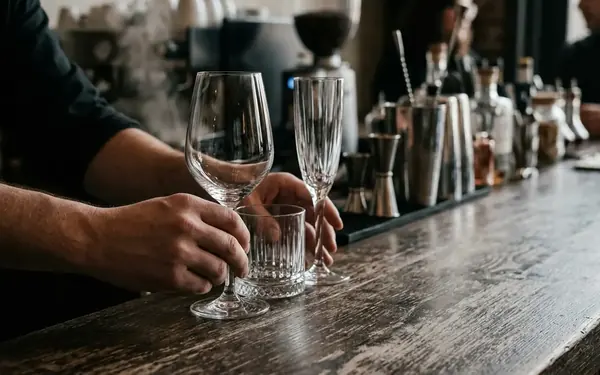
- Glass temperature. A chilled glass does not immediately pull warmth into the drink.
- Drinking pace. Time is the quiet ingredient. The same cocktail tastes different at the first sip and twenty minutes later.
Event producers who want to show guests this difference can set up a simple editorial comparison: identical glasses, equal measured ice portions, one served indoors and one outside, with temperature and flavor checked at service, at 5 minutes, and at 10 minutes. Those are proposed observation points for a demonstration, and the goal is noticing, not racing. A short sour suits the cooler room; a longer sparkling drink gives the patio guest more cold liquid to work with. Neither drink needs to be finished quickly.
Agave Meets Houston's Citrus, Char, and Chile
Weather explains part of the appeal. Food explains the rest. Mexican and Tex-Mex cooking lean on lime, chile, grilled proteins, fresh herbs, and savory seasoning, and agave spirits come out of the same culinary traditions. Houston then adds its own wide range of cuisines around that core, so a single evening might move from a taqueria plate to Gulf seafood to something smoky off a grill.
The smartest pairing decisions start with a dish's dominant features rather than its cuisine label. Take a grilled plate apart and you will usually find three separate components: char on the protein or vegetables, fat or richness, and a lime- or herb-led garnish. Each one points toward a different drink.
A blanco tequila's vegetal or peppery character sits naturally alongside lime and fresh herbs. A blanco-and-lime drink next to grilled fish with cilantro shows aromatic continuity; the same green, citrusy notes run from plate to glass. For contrast, a balanced citrus sour beside a richer cheese-filled dish cuts through the weight and resets the palate between bites.
Richer aged tequilas lean toward browned, roasted, and caramelized flavors. An aged expression beside roasted squash makes that connection easy to taste. At the other end, a lightly seasoned fish dish calls for a gentler agave expression and a restrained rim, so the drink does not overpower the plate.
Mezcal deserves its own sentence, because it gets flattened into one word: smoke. Depending on the expression, mezcal can bring earthy, fruity, vegetal, or smoky notes, and plenty of bottles show several at once. Describe the particular mezcal in front of you before choosing its food partner.
Why Extra Lime and a Hotter Rim Can Overwhelm Agave
A balanced agave drink holds five things in tension: acidity, sweetness, alcohol intensity, dilution, and aromatic character. Push one too far and the others disappear.
Consider a hypothetical margarita comparison. Both versions use 45 ml tequila and 15 ml equal-weight simple syrup, the same glass, and the same ice. The acid-forward version takes 30 ml lime juice and a full chile-salt rim. The balanced candidate uses somewhere around 22.5 ml lime juice, intentional dilution during mixing, and a half rim. Treat the second as a candidate to taste, not an objectively superior recipe.
The first drink will taste sharply sour. More lime increases sourness without making the drink more enjoyable, and that sourness tends to bury the tequila's own aroma. On a hot evening it can feel like the drink is shouting.
Chile adds another wrinkle. Its warming sensation is a flavor and a feeling, separate from the drink's cold serving temperature. A spicy rim does not cool anyone down; it adds heat on top of a cold liquid. Subtle chile works best as an accent that lifts the agave, something to notice rather than endure.
The half rim solves a lot. Apply seasoning to the outside of half the rim and leave the opposite half bare. The guest gets a clearly seasoned edge and a clean edge, and can choose sip by sip. Seasoning stays on the outside of the glass and never dissolves into the whole drink.
Balance Before Bigger Flavors
Choose integrated balance before escalating acid, smoke, or spice.
Choose the Ice and the Drink's Length Together
Decide how long the drink will be before choosing the ice or the mixing method. A short agave sour and a tall sparkling agave drink ask for different handling from the first step.
The short sour
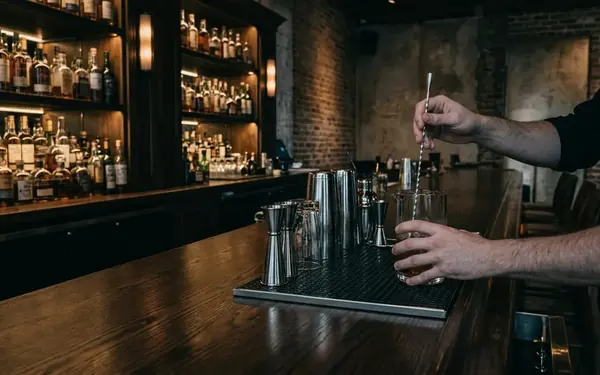
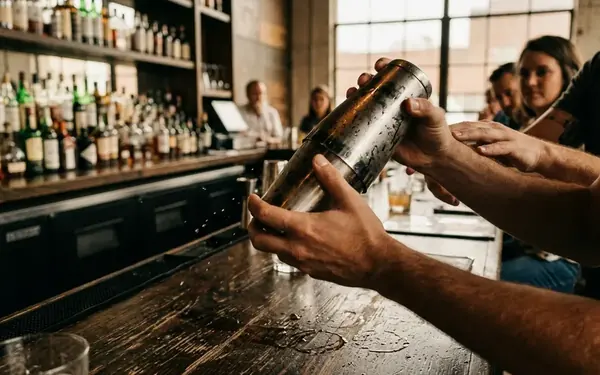
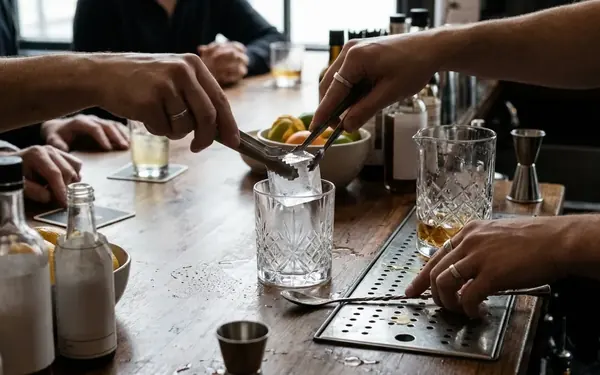
Chill and dilute the drink during shaking, then strain it over fresh serving ice. The shaker does the intentional dilution; the fresh ice keeps the drink cold without arriving already half-melted. That distinction matters. Mixing dilution is planned and measured. Dilution in the serving glass keeps happening for as long as the drink sits.
Some bartenders respond to patio service by building a stronger starting drink, assuming the melt will even it out. That logic rarely holds. A drink too hot with alcohol at the first sip is simply unbalanced, and it may pass through its best moment before the guest gets there.
The tall sparkling build
For an illustrative tall build in a 350 to 400 ml glass, start with 45 ml tequila, 15 ml lime juice, 10 ml equal-weight simple syrup, and 90 ml cold soda, assembled over ice. Chill the base, the glass, and the soda before assembly, fill the glass adequately with ice, and use soda straight from refrigeration. Combine with one or two gentle lifting motions. Shaking a carbonated drink only flattens it.
What cube size actually changes
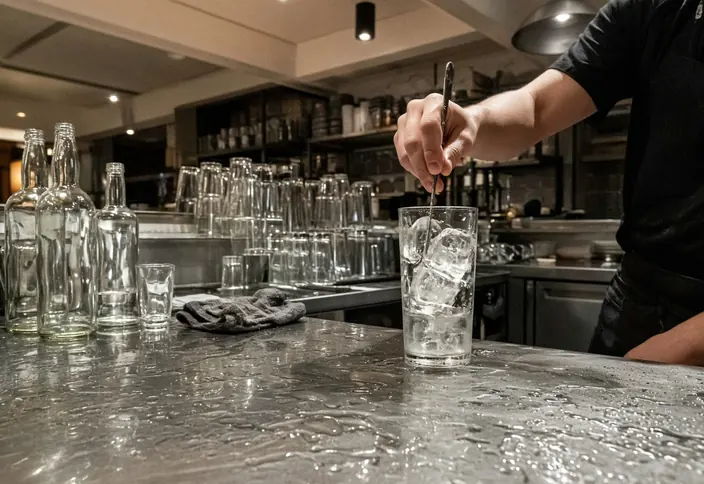
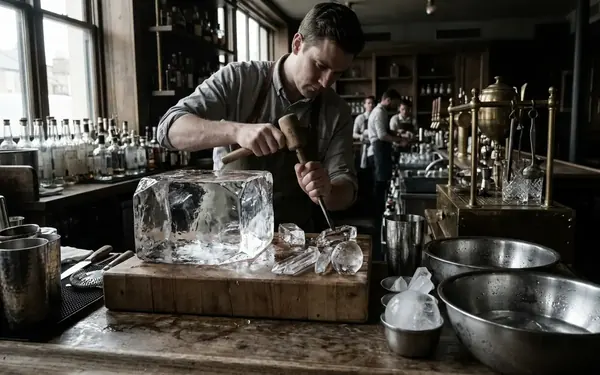
Larger cubes generally expose less surface area relative to their volume than smaller pieces. Simple geometry shows it: one 4 cm cube has a volume of 64 cubic centimeters and a surface area of 96 square centimeters. Eight separate 2 cm cubes add up to the same volume but expose 192 square centimeters of surface. That is geometry, not a measured melting-time prediction. Total ice quantity, the ice's starting temperature, and service conditions all shape the result as much as cube size does.
Taste Before the Bubbles
Taste the mixed base before adding carbonation, then judge the finished drink again after the first few sips rather than correcting every imbalance with lime.
Order for the Patio, the Dinner Plate, or the Lounge
Asking for a "Houston-style" cocktail gives a bartender very little to work with. It helps to decide first whether you want length and bubbles, food-friendly citrus, or a shorter aromatic drink, then say so in plain service language.
Warm patio visit
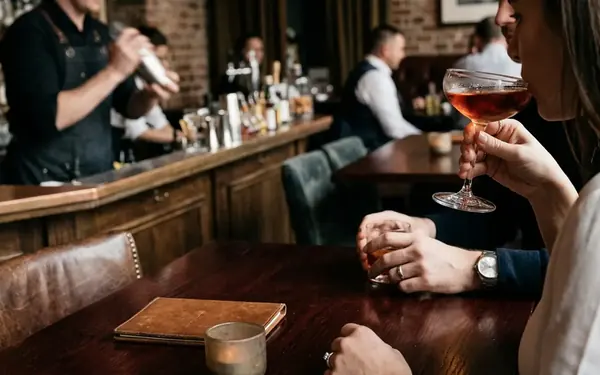
Go for a cold, lengthened agave drink with restrained sweetness and optional chile. Try: "Tall and sparkling, bright but balanced, with light chile." Ask for water alongside. A tall drink can taste wonderfully refreshing, but that refreshment is a flavor choice and does nothing to protect you from the heat, so keep water or an alcohol-free drink on the table too.
Chile-forward dinner
Pick balanced citrus with a half rim or no rim, so the drink does not automatically stack another layer of heat on the food. Try: "Bright but balanced, half rim, and no extra chile." Restrained sweetness helps the drink sit comfortably beside spicy dishes, though it will not put out the food's heat.
Air-conditioned lounge
Cooler air and a slower pace suit a shorter agave drink or a more spirit-forward expression, where aroma has time to open. Try: "Shorter and aromatic; less smoky, please."
For anyone skipping alcohol, an illustrative alternative works in any of these settings: 20 ml lime juice, 10 ml equal-weight simple syrup, and 100 ml cold sparkling water over ice, with 4 to 6 gently pressed mint leaves. Offer a small pinch of chile-salt on part of the rim separately. Judge it on its acidity, sweetness, herbs, and bubbles, as a drink in its own right rather than an agave replica.
Let Your Next Agave Order Match the Evening
Every choice in this guide comes back to three questions: where you are sitting, what you are eating, and how slowly you plan to sip. The patio points toward length and bubbles. The dinner plate decides how much rim and chile the drink should carry. The lounge rewards a shorter pour with room for aroma.
Houston's love of agave comes from all of it working together: the climate, Mexican culinary and agave traditions, the city's wider dining scene, and service that treats ice and water as deliberate parts of the drink. No single ingredient carries that weight alone.
For your next Houston evening, will you choose a tall, sparkling agave drink for the patio or a shorter, slower-sipping pour for the lounge?
Your Thoughts
No comments so far.
Add Your Thoughts