
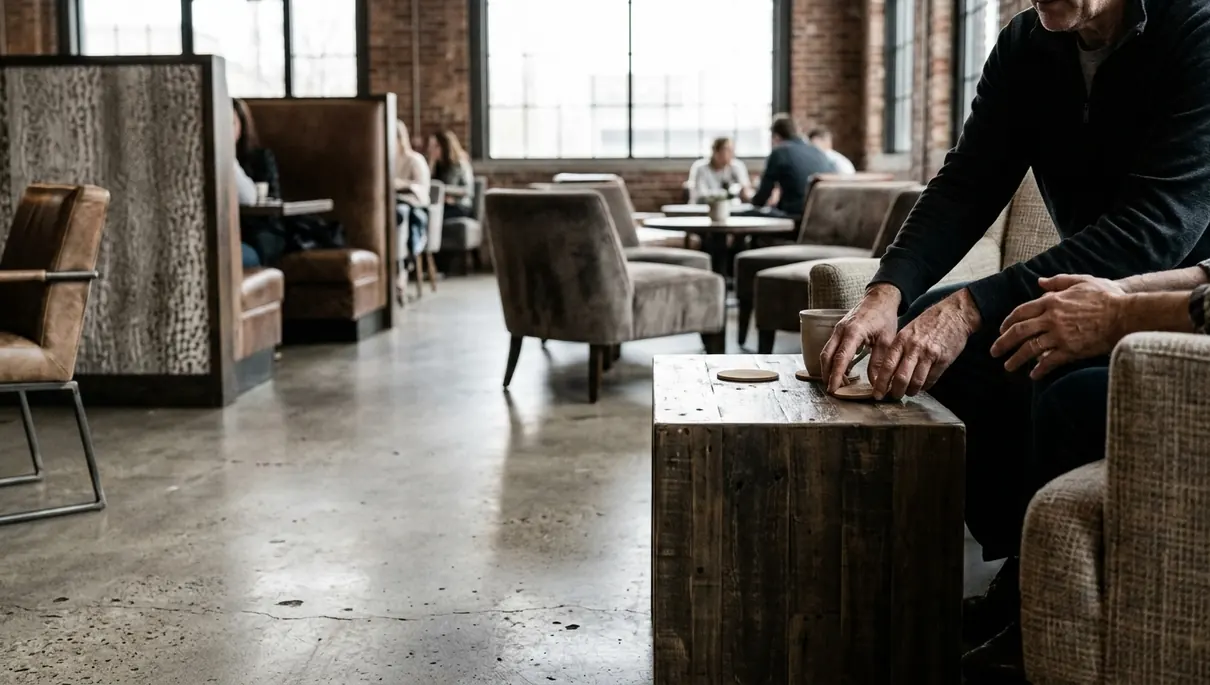
A lounge setting is the guest experience created by the chair, the light, the sound, the service rhythm, and the people around you during the next hour.
In Houston, that choice can matter fast. A pre-theater drink hovering around 5:45 p.m. asks for one kind of room. A date-night cocktail in the ballpark of 9:15 asks for another. A final nightcap after dinner asks for something quieter, steadier, and less exposed.
Contents
- What does “lounge setting” actually mean?
- Why the room changes the way the night feels
- Start with the occasion, not the prettiest seat
- Read sound, light, and distance before you sit
- Match the seat shape to your group dynamic
- Factor in service pace and what you plan to order
- What should you ask before committing to a seat?
- A simple framework for choosing in under a minute
- Putting it into practice
What does “lounge setting” actually mean?
I use “lounge setting” as the guest-facing result of several room variables, not as a furniture label. Seating matters, yes, but so do sound, lighting, service rhythm, sightlines, menu access, and social privacy.
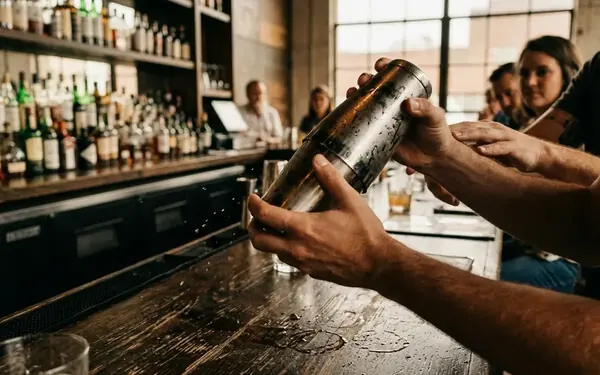
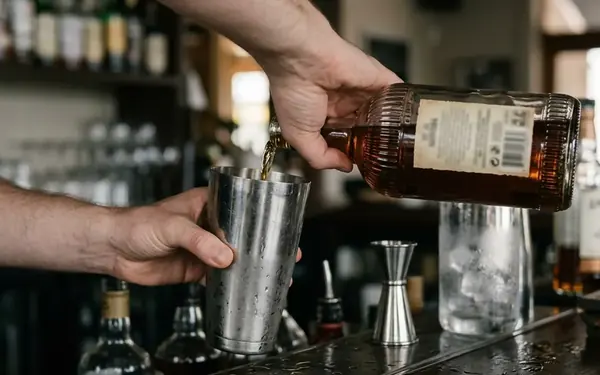
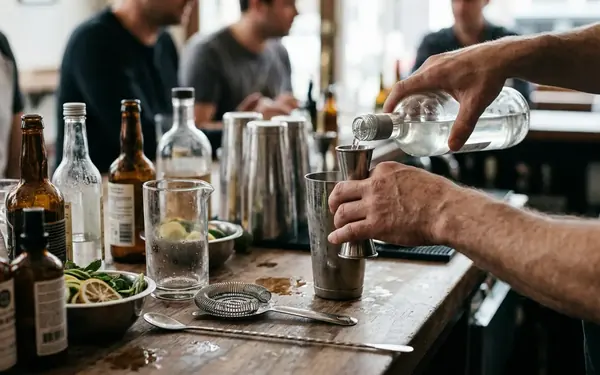
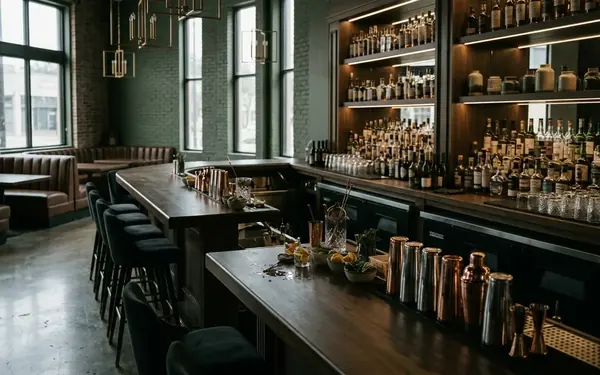
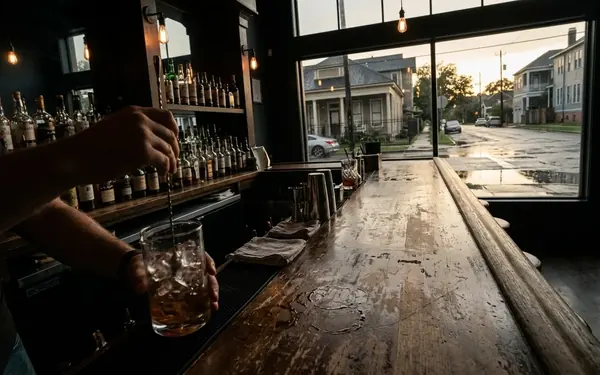
That is why the same bar can hold several different experiences at once. One guest may sit at the counter watching a bartender stir a martini. Another may take a low cocktail table for a slow round of craft cocktails. A couple may prefer a banquette. A group may need dining-adjacent bar seating because snacks are part of the plan. Patio seats and semi-private corners add two more settings inside the same address.
Think in settings, not rankings
This is not a ranking of the “best” seats. The best seat for a solo Old Fashioned pushing 6:15 p.m. can be the wrong seat for a private conversation at 10:30 p.m.
A lounge setting works when it fits the purpose of the night. That is the whole test.
Why the room changes the way the night feels
Guests often choose by availability or aesthetics first. The most dramatic bar rail. The glowing corner. The sofa under the art. Then the room starts arguing with the evening.
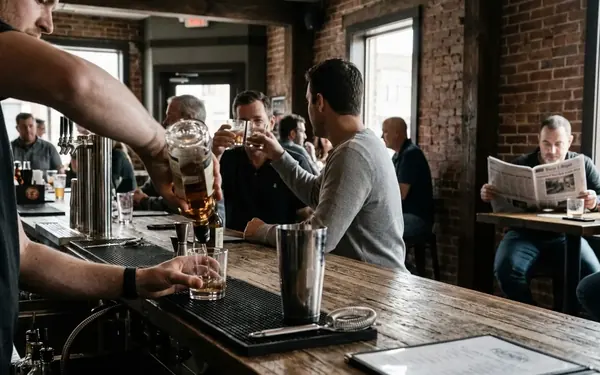
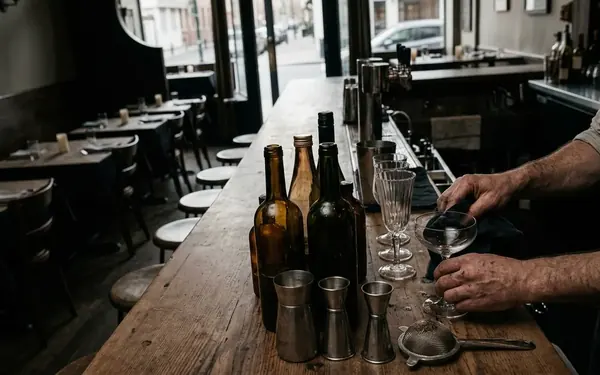
A louder room shortens conversations because people begin speaking in bursts. Counter seats invite interaction with bartenders and give a closer look at spirits & mixology, but they also point both guests forward. Booths and banquettes create privacy because they shield at least one side of the table. Open lounge tables feel more social and easier for a group, but they expose everyone to passing guests and standing-room traffic.
Energy is not the enemy of intimacy
The tradeoff is simple. Energy gives a night its pulse. Intimacy gives it room to breathe.
Neither is superior. A birthday meet-up may need the motion of the room around it. A business drink may need upright chairs, lower noise, and enough table space for phones or folders. A couple ordering one stirred cocktail after dinner may want the room to soften around them.
Summary: Room choice can be as consequential as drink choice when the night depends on conversation, shared plates, or a specific service pace.
Start with the occasion, not the prettiest seat
Name the visit before choosing the seat. That small pause prevents most mismatches.
A first date needs conversational comfort. A solo cocktail needs visibility and interaction. A birthday meet-up needs a shape that can absorb staggered arrivals. A pre-reservation aperitif needs efficient service and an easy exit. A post-dinner nightcap needs calm more than spectacle.
Match the purpose to the setting
From multi-destination comparison, the practical matches tend to look like this.
- First date: choose a low banquette or two-top away from the service path when conversation is the main event for 60 to 90 minutes.
- Business drink: choose upright seating with enough room for phones or folders and no need to lean across the table to be heard.
- Solo cocktail: choose the bar counter when the goal is one carefully made drink, menu guidance, or a 30 to 45 minute stop.
- Birthday meet-up: choose a lounge table or larger banquette when arrivals may stagger over 20 to 40 minutes.
- Pre-reservation aperitif: choose dining-adjacent bar seating when the next commitment begins within 45 to 75 minutes.
The prettiest seat can still be wrong. A dramatic spot may block conversation, complicate service, or leave the group exposed to foot traffic. I have watched couples take the photogenic bar rail for an anniversary nightcap, then spend the whole drink turned away from each other while staff and standing guests move behind them.
That is not a bad seat. It is a bad match.
Read sound, light, and distance before you sit
Do a room scan before committing. It takes less than a minute, and it tells you more than the host stand ever can.
Start with sound
Spend 20 to 40 seconds near the entrance. If you already need to raise your voice there, deeper seats near speakers or standing clusters will usually feel more intense. Look up and around: speakers often sit above banquettes, near bar corners, close to host stands, or along patio doors.
Hard surfaces sharpen a busy room. Stone tops, glass, tile, and bare walls bounce sound. Upholstery, curtains, rugs, and acoustic breaks soften it. You do not need to name the design materials perfectly. You only need to notice whether the room feels sharp or cushioned.
Then read the light
Candlelit corners flatter a slow conversation. Backlit bottles give the bar a theatrical glow. Dark banquettes feel private, sometimes too private if menus are hard to read. Bright bar tops make cocktails look crisp and keep service visible. Patio glare can turn a relaxed seat into a squinting exercise.
One Houston-specific limit: patio comfort can change quickly with humidity, rain, wind direction, and temperature swings, so an appealing outdoor table at arrival may not hold the same comfort for a full second round.
Finally, check distance
Seats near the bar feel active and attentive. Seats a few steps from a service station, main door, restroom path, or standing bar rail often feel interrupted even when the chair itself is comfortable. Deep corners offer privacy, but they may slow eye contact with staff.
Quick Tip: If conversation matters, choose a seat where everyone can speak at normal volume and keep eye contact without leaning across the table.
Match the seat shape to your group dynamic
Furniture decides who looks at whom. That sounds small until someone spends pushing 90 minutes at the end of a narrow table, half in the conversation and half outside it.
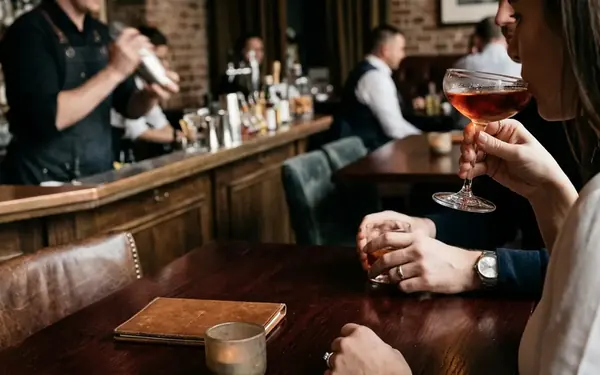
Side-by-side bar seats are intimate in one way: two people share the same view. They work for watching cocktail craft, asking a bartender about a spirit, or easing into conversation without staring directly across a table. They are less useful when the whole point is face-to-face connection.
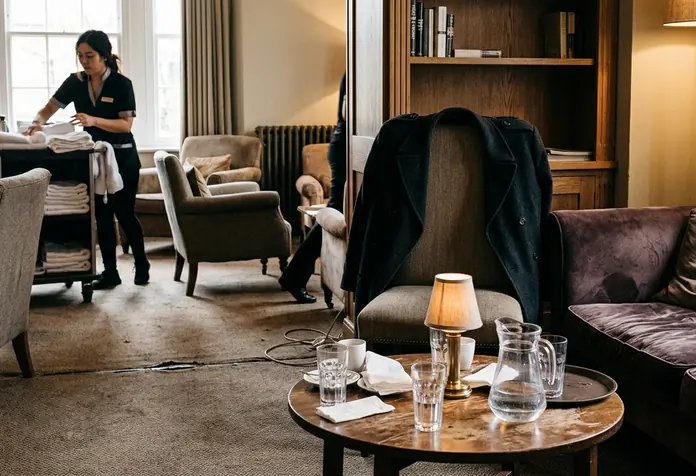
Round lounge tables distribute attention. Rectangular tables create ends and sides. Deep sofas encourage lingering, but they can make dining awkward because guests bend forward toward low plates and crowded glassware.
Use the shape as a social tool
- Couples: side-by-side bar seats work for shared observation; a small banquette works better for direct conversation.
- Groups of three: a round lounge table usually keeps attention balanced better than a narrow rectangle.
- Four-person cocktail rounds: choose enough surface for four drinks, water glasses, menus, and at least one shared plate without stacking items.
- Solo guests: the bar counter offers clear service visibility and the least awkward use of space during a 30 to 60 minute visit.
- Mixed professional-social groups: upright chairs or dining-adjacent lounge seating prevent the too-casual posture that comes with deep sofas.
Comfort has a practical side, too. Guests with mobility needs, heavy coats, formalwear, or a long evening ahead may prefer stable chairs, clear pathways, and enough table surface. The softest seat is not always the kindest one.
Factor in service pace and what you plan to order
Order style should influence seat choice. A single stirred cocktail, a round of signatures, wine and snacks, and a structured lounge meal each ask the table to do different work.
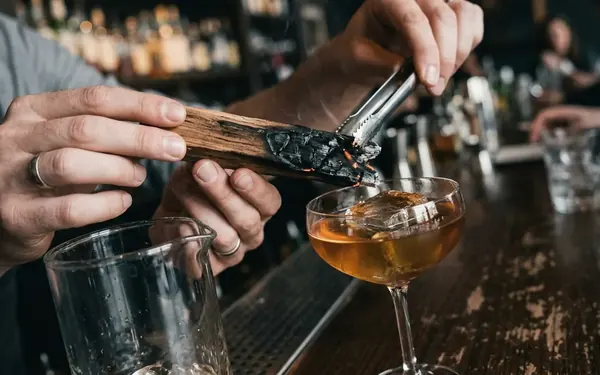
One stirred cocktail or a short tasting conversation fits the bar counter. You can watch technique, ask focused questions, and finish within roughly 35 to 60 minutes. That setting gives spirits & mixology the closest stage.
A round of signature cocktails for three or four people fits a lounge table when the group wants relaxed pacing and does not need a full dining setup. Wine and snacks work better at high-tops or dining-adjacent bar seating when plates, forks, napkins, water glasses, and bottle service need more stable surface area.
Low tables are not built for everything
Lower lounge tables are wonderful for slow conversation. They become clumsy when the order includes multiple small plates, stemware, water, menus, and phones. Four friends can run out of surface space quickly once dining & pairings enter the night.
Service rhythm changes with location. Busy bar edges feel kinetic and attentive. Semi-private areas feel slower and more settled. Hotel-style lounges often support longer dwell time after dinner, which suits a nightcap or a quiet second round.
Note: If you plan to eat more than a small bite, choose the table that can hold the order, not just the chair that looks most comfortable.
What should you ask before committing to a seat?
Staff guidance is real-time room intelligence. Hosts and bartenders know what a guest cannot see from the door: booked tables, incoming groups, music changes, patio weather, and sections about to fill.
Ask in a way that makes the choice collaborative. Not demanding. Not apologetic. Just clear.
Useful phrases at the host stand or bar
- “Is there a quieter corner for two?”
- “Would the bar be better if we want to watch the cocktails?”
- “Is this table comfortable for small plates?”
- “We have about 45 minutes before dinner; where would service feel easiest?”
Ask before committing when live music, a DJ-style sound shift, patio weather, or a large reservation is expected within the next 30 to 90 minutes. A good answer may steer you away from a beautiful table that is about to become the loudest seat in the room.
That kind of guidance is part of Houston bar culture at its best: practical, hospitable, and tuned to the night in front of you.
A simple framework for choosing in under a minute
Use this sequence when you enter a busy lounge and need to decide quickly.
- Name the occasion. Date, solo drink, business conversation, group meet-up, pre-reservation aperitif, or nightcap. Give this 5 to 10 seconds.
- Count the group. Notice whether everyone has arrived or whether the party will stagger in.
- Choose the desired energy. Quiet, lively but conversational, or fully social.
- Scan the room. Spend 15 to 25 seconds reading sound, lighting, door traffic, service stations, standing guests, and speaker location.
- Check the order plan. Cocktail-only, cocktails plus snacks, wine and plates, or a structured lounge meal.
- Confirm with staff. Ask one direct question before settling in.
One-minute lounge setting checklist
- Name the occasion before looking at the prettiest seat.
- Count the group and decide whether anyone will arrive late.
- Choose the desired energy: quiet, lively but conversational, or social and open.
- Listen from the entrance before sitting.
- Check speaker placement, service paths, door traffic, and standing clusters.
- Match the table surface to the order.
- Ask staff one specific question if the choice is close.
Here is the quick version in practice. A date-night couple chooses a low banquette away from the service path. A solo cocktail guest chooses the bar. Four friends sharing snacks choose a table with enough surface area for glassware, plates, and menus. None of these choices is fancy by itself. Each one fits the job.
Putting it into practice
A couple arrives in Houston after dinner, somewhere between 9:45 and 10:30 p.m. They want one final cocktail with conversation, not a full second meal.
The busy bar rail looks tempting. Bottles glow. The bartenders are moving cleanly through the round. But standing guests have gathered behind the stools, and the posture would turn both people toward the backbar instead of each other.
They pass.
Across the room, a corner banquette holds low light on the table. It sits far enough from the service station to feel settled, but the sightline still lets staff notice when menus close. The table has room for two cocktails, two water glasses, and a menu without crowding the edge.
They sit there. One glass lands near the candle, the other near the inside curve of the banquette. Outside the window, headlights move along the street. Inside, neither person has to lean in to be heard.
Your Thoughts
No comments so far.
Add Your Thoughts