
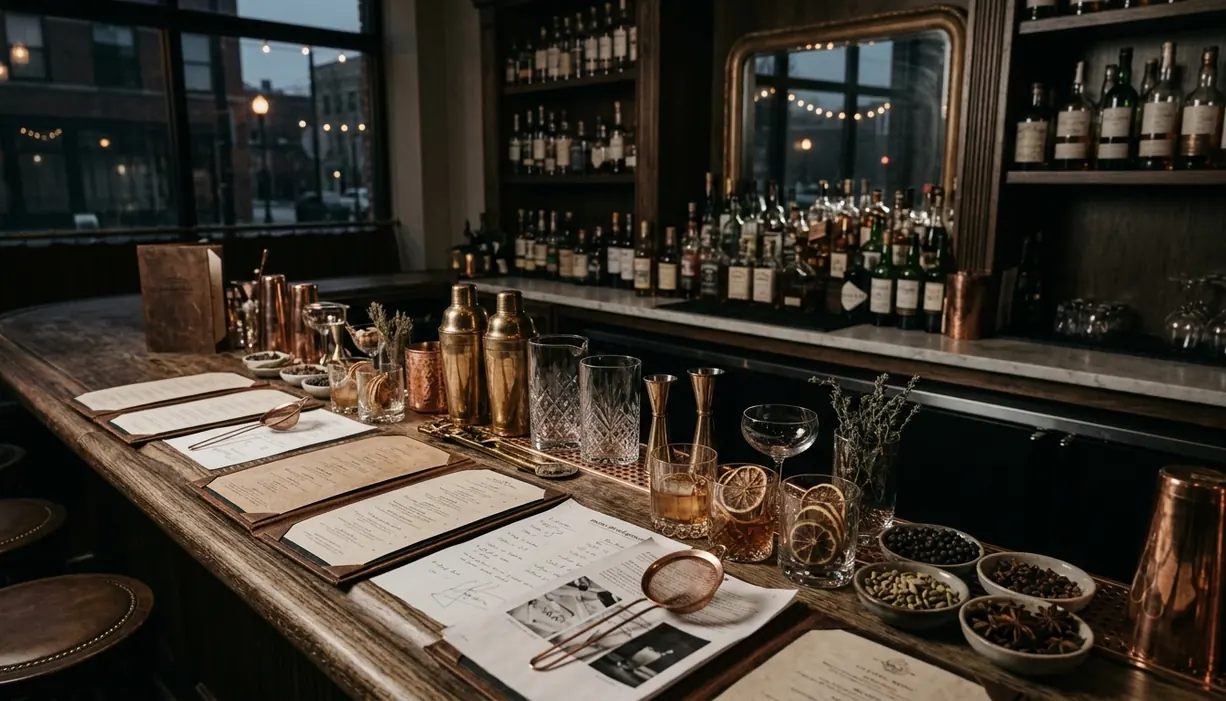
What an Elaborate Cocktail Menu Means
An elaborate cocktail menu is a deliberately structured drink program where concept, technique, ingredients, presentation, and service all work together.
Elaboration should improve the guest’s decision-making, not bury them in obscure spirits, excessive garnish, or poetic copy.
Guests want discovery, but they also need confidence before ordering.
Criteria for Selection: What Earns a Place on the Menu
Each element was selected because it affects the guest experience before, during, and after the drink arrives.
Three practical criteria guide the process: clarity for the guest, consistency for the bar team, and sensory payoff in the glass.
Menus should account for warm weather, dining occasions, pre-theater or event traffic, and guests moving between restaurants, lounges, and hotel bars.
1. A Distinct Point of View
A menu needs a recognizable perspective before it needs rare bottles or complicated builds.
A point of view can come from place, cuisine, season, architectural mood, music, or a house approach to classics.
A theme decorates the menu; a concept helps decide what belongs and what gets cut.
2. Menu Architecture Guests Can Navigate
The physical and editorial structure of the menu should make choice feel effortless.
Sections such as bright and aperitif-style, spirit-forward, tropical or shaken, stirred classics, dessert-leaning, zero-proof, and after-dinner pours organize the list.
Ordering drinks only by base spirit can be limiting, because many guests think first in mood, intensity, sweetness, and occasion.
3. A Complete Flavor Spectrum
An elaborate menu should feel expansive because it covers a meaningful range of flavor, not because it lists too many drinks.
The necessary spectrum includes bright, bitter, savory, herbal, floral, smoky, tropical, creamy, dry, spirit-forward, and dessert-friendly profiles.
Balance also means avoiding repetition, such as several drinks relying on the same citrus, syrup, foam, or smoked presentation.
4. Ingredient Language That Builds Trust
Descriptions should be vivid enough to create appetite and plain enough to prevent confusion.
The ideal formula covers base spirit, modifier or house ingredient, flavor cue, texture cue, and optional finishing detail.
Overloading descriptions with unexplained infusions, proprietary names, or culinary references that require a server translation for every guest reduces trust.
5. Technical Integrity Behind the Glass
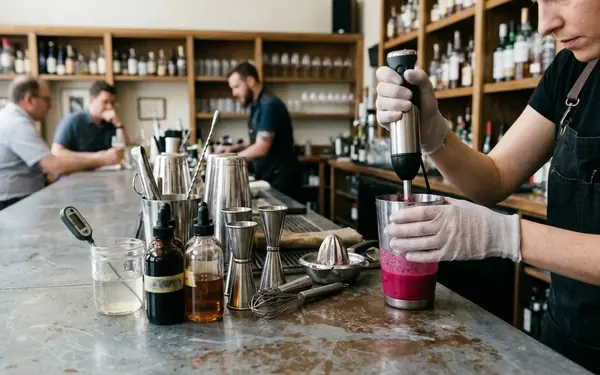
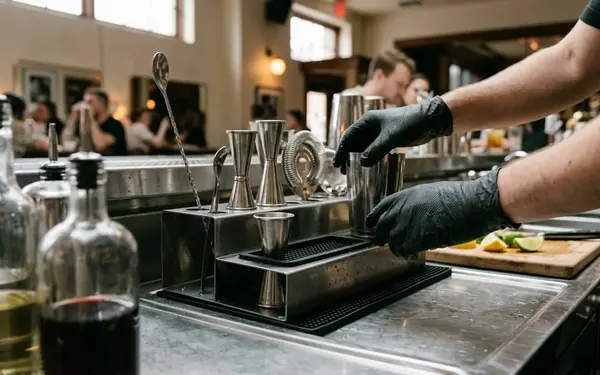
Elaborate cocktails depend on preparation systems that make the drink repeatable.
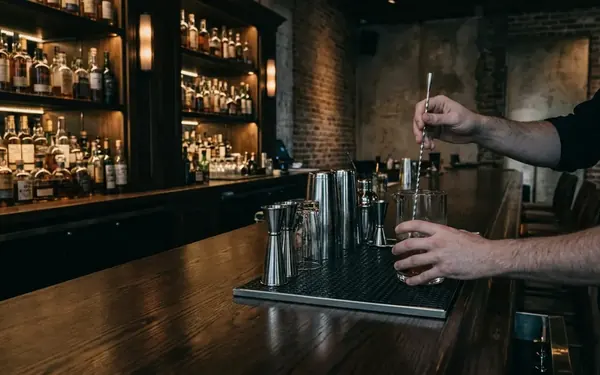
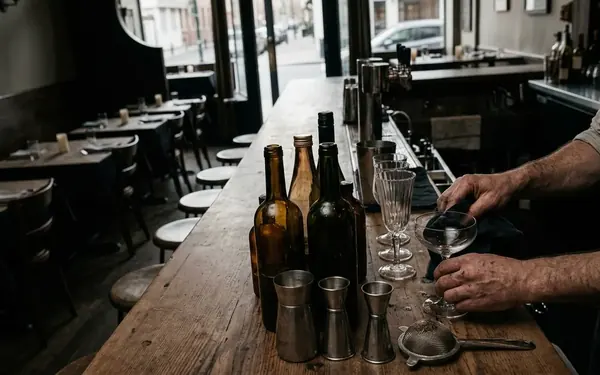
Ice format, dilution, glassware, garnish prep, clarified or batched components, carbonation, tinctures, syrups, and cold storage all contribute to consistency.
Technique should be visible through texture, temperature, aroma, and finish, not announced as complexity for its own sake.
6. Seasonality With a Sense of Place
Seasonal ingredients should help the menu feel alive without making it unstable.
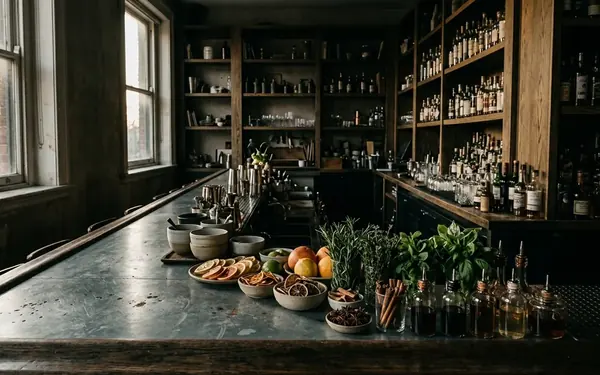
Houston-relevant cues include citrus brightness, cooling herbs, tropical fruit, spice, iced textures, and lighter aperitif patterns during hot weather.
Local influence can be subtle: a flavor memory, a pairing with regional cuisine, or a drink built for patio-to-dining-room movement.
Pricing and Value
Pricing forms part of communication, not merely costing.
A menu can justify a higher cocktail price more clearly when the description signals at least one labor or quality cue, such as house cordial, clarified citrus, custom bitter blend, hand-cut ice, or tableside aromatic finish.
Nonalcoholic and Low-ABV Options
Nonalcoholic and low-ABV options belong as a core menu element because modern hospitality must serve pacing, driving, business dining, long tasting menus, and mixed groups without making abstention feel like an afterthought.
A serious program should offer choices across different moods, such as a bitter soda, a tea-based highball, a culinary shrub, a spritz-style drink, and a richer after-dinner option.
Service Choreography
The menu is only as sophisticated as the staff’s ability to translate it.
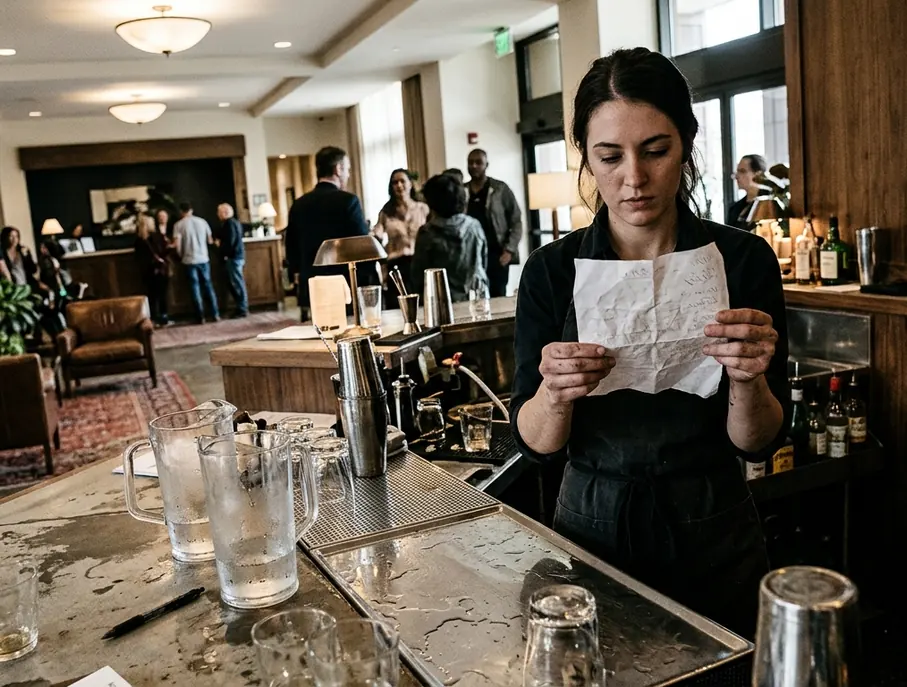
The strongest programs give bartenders and servers concise talk tracks, tasting references, and substitution rules.
Presentation and Pacing
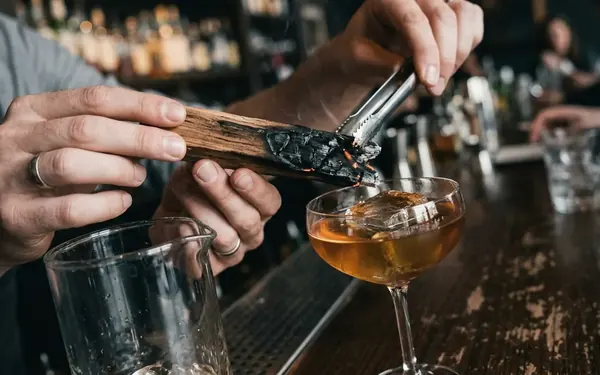
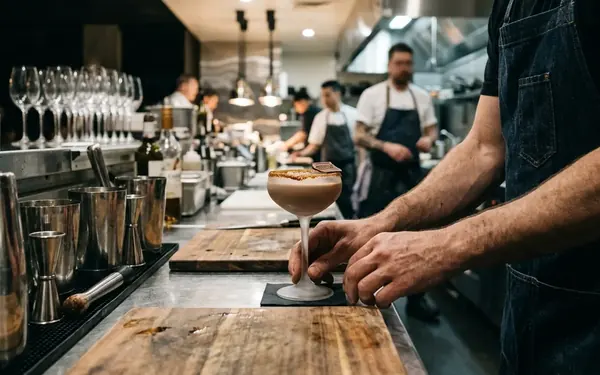
Presentation was evaluated by whether it makes the drink clearer and more pleasurable, not by how dramatic it looks.
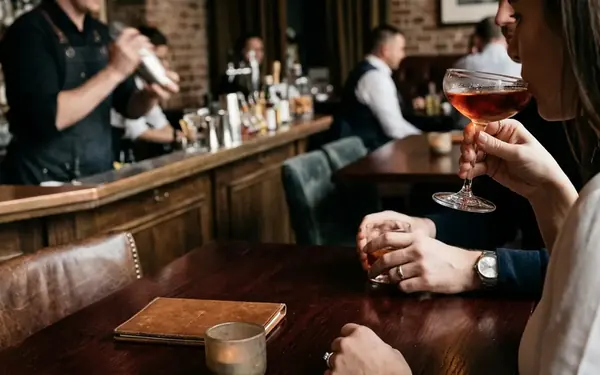
Restrained details such as a chilled coupe, clear ice spear, precise citrus coin, and fresh herb finish support the drinking experience.
How to Evaluate a Menu
The evaluation framework was designed for readers who are standing at a host stand, seated at a bar, or scanning a menu before dinner.
The questions focus on visible signals: whether strength is legible, descriptions are understandable, and a range of moods is covered.
Final Recommendation
A focused list of signature cocktails can feel more luxurious than a longer list when the staff can explain every item and the bar can reproduce texture, temperature, and garnish consistently.
Choose a program in the ballpark of 10-12 drinks that maintains identical execution from early seating through late service.


Your Thoughts
No comments so far.
Add Your Thoughts