
Why the Upscale Happy Hour Question Matters
“Can a happy hour feel generous without making the room feel cheaper?”
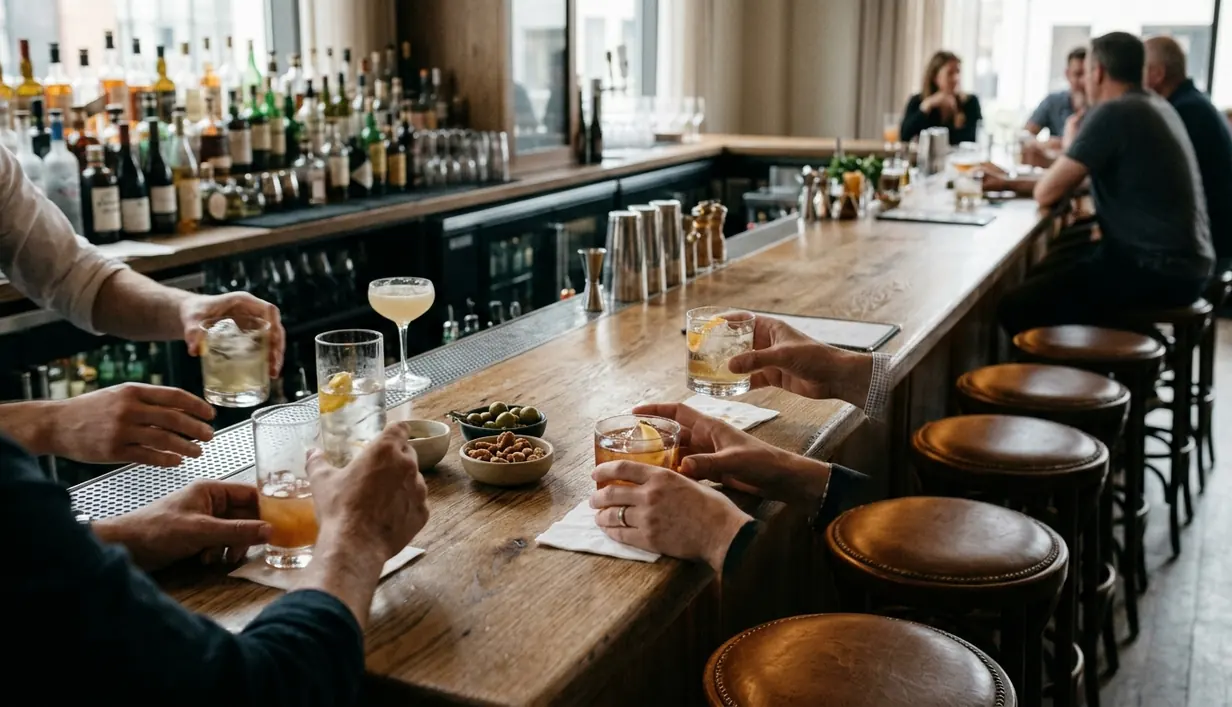
That is the question worth asking before anyone prints a discounted cocktail list. Not whether happy hour is elegant enough in theory. Not whether guests like a better price. They do. The harder issue is whether the room can keep its sense of care while offering an easier point of entry.
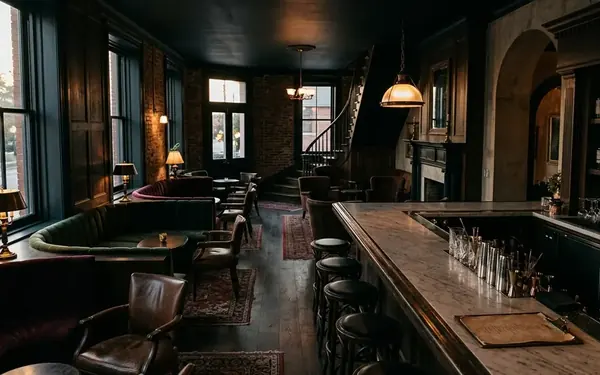
Upscale bars trade on details that are easy to disturb: the weight of the glass, the timing of the greeting, the confidence of the bartender, the way a snack arrives before the second sip feels overdue. Happy hour, handled carelessly, pulls attention toward markdowns and volume. It can make a bar feel as if it has stepped outside its own skin for two hours.
The early-evening test
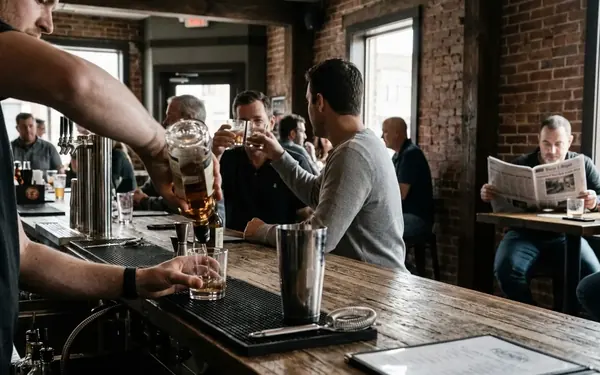
In Houston, the practical window usually sits between 4:00 p.m. and 6:30 p.m. That stretch catches several occasions at once: a downtown guest before theater, a River Oaks table easing into dinner, a Montrose regular with one open hour after work, a Heights couple deciding whether to stay for food, and a Galleria or Uptown traveler filling time before a reservation.
Those are not the same guests, even when they order the same drink.
The most useful happy hour visit is often short: in the ballpark of 45 to 90 minutes, one drink, possibly one snack, and enough service contact to understand the room. That is not a lesser experience. It is a smaller frame. The bar either composes it well or lets it become noise.
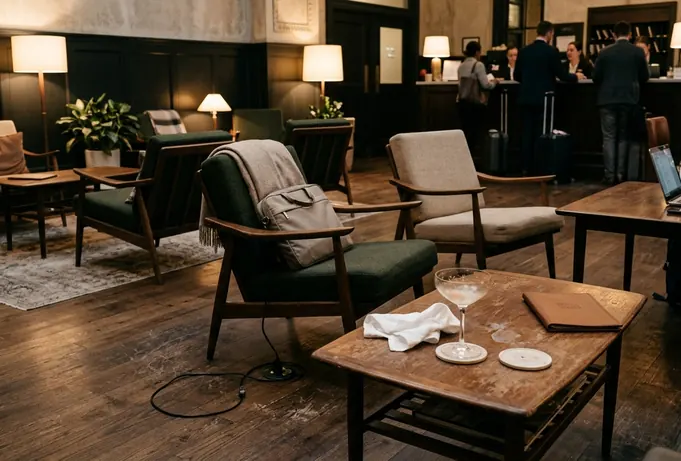
In practice: Happy hour belongs in upscale bar culture only when it extends hospitality rather than behaving like a discount event.
Where Happy Hour Cheapens a Serious Bar
The core problem is not price. The problem is the expectation shift. Once guests read the room as a bargain mechanism, they stop looking for discovery and start looking for extraction: the strongest pour, the largest list, the fastest refill, the best deal before the clock runs out.
That shift changes the bar’s authority. A bartender who should be explaining balance now has to defend why one drink qualifies and another does not. A server who should be reading pace now has to manage substitutions. The guest begins judging the room by speed and markdowns rather than balance, technique, and hospitality.
The failure case behind the caution
I once watched a fine-dining bar make this mistake in miniature. The early menu looked generous on paper, but it sprawled. By 5:30 p.m., every stool was filled, the host stand kept seating without pause, and the bar team ran short on chilled coupes. The guests were not rude. They were simply responding to the message the bar had sent: come quickly, order quickly, save quickly.
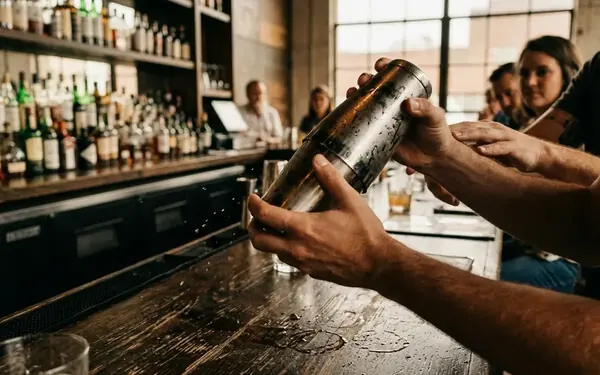
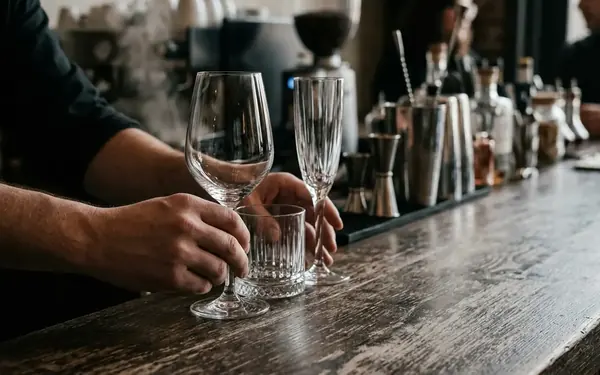
The craft disappeared first at the edges. Citrus sat too long. Garnishes became abbreviated. A Nick-and-Nora shortage pushed drinks into whatever glassware was clean. Servers began promising off-menu substitutions to keep tables calm. None of those choices looked catastrophic alone. Together, they made the bar feel less precise.
A serious bar starts to strain when a discounted menu grows beyond about 6 to 8 drink choices. Prep, explanation, glassware turns, and ticket accuracy all become harder to protect, especially in the compressed 5:15 p.m. to 6:15 p.m. seating pattern that fills the room before the team has settled into rhythm.
- Guests order by price before hearing what the drink is.
- Bartenders garnish to survive the rush, not to finish the build properly.
- The host fills every bar stool at once instead of pacing arrivals.
- The menu copy shouts louder than the lounge atmosphere.
- Off-menu requests multiply because the offer feels transactional.
Note: When the early program teaches guests to value the room mainly by discount, the bar has given away more than margin. It has given away control of the experience.
The Better Model: Access Without Surrendering Standards
The strongest upscale happy hours offer access, not clearance pricing. That distinction matters because access keeps the early visit connected to the evening identity. The guest should feel, “I saw this bar at a quieter hour,” not, “I found the cheaper version.”
A refined model can run on a tight edit: three cocktails, one low-ABV or aperitif-style option, and two food pairings. That is enough choice to feel considered and not so much choice that the staff has to perform triage. The point is not abundance. The point is confidence.
What access looks like on the menu
A house martini variation can introduce the bar’s preferred vermouth, bitters, olive, citrus, or frozen glass ritual. A seasonal sour or spritz can show how the team handles acidity and texture. A spirit-forward drink can speak to the backbar without forcing guests into a full evening spend. The lower-ABV option gives the pre-dinner guest a graceful way to participate without dulling the meal ahead.
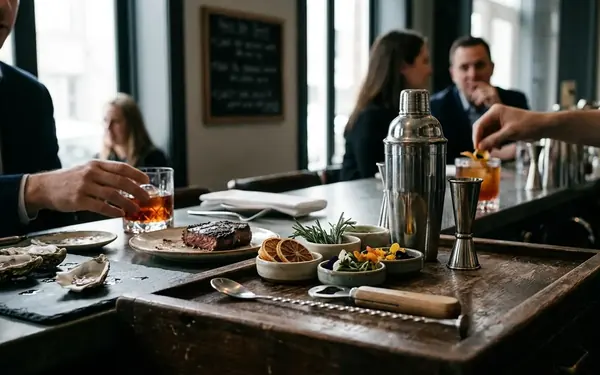
Food should follow the same logic. One or two pairings are enough if they arrive cleanly and fit the drinks. A snack designed for a 10-to-15-minute kitchen pickup protects the guest’s clock and the kitchen’s dignity. It also keeps the bar from pretending to be a full dinner service before the dining room is ready.
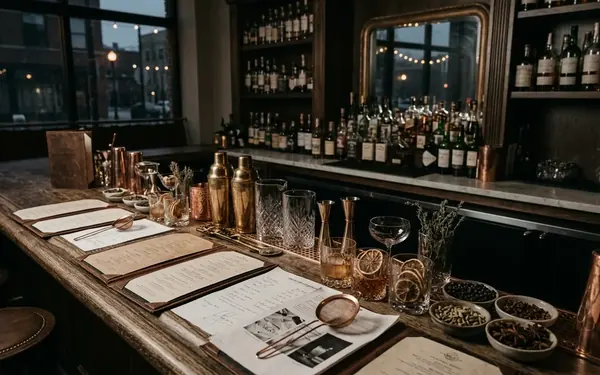
Restraint supports luxury because fewer choices allow better execution. The bartender can spend a minute or two explaining why a drink is on the list without delaying the next ticket. Chilled coupes can be pulled just before the build. Citrus can be measured rather than free-poured. Bar tops can be wiped between parties. These are small acts, but in spirits & mixology, small acts carry the room.
This argument fits upscale bars that still want early-evening discovery; a tiny reservation-only room with roughly eight to twelve seats may protect its identity better by skipping happy hour entirely.
Service cue: If the bartender cannot describe the happy hour list with the same calm as the main menu, the list is probably too large or too disconnected from the bar.
The Fair Counterargument—and Why It Falls Short
The case against happy hour deserves respect. Some operators worry that any early price adjustment trains guests to wait. They are protecting price integrity, staff focus, and the perception that a serious cocktail should cost what it costs.
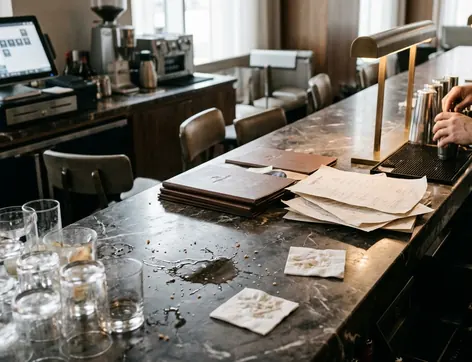
That worry becomes especially real when the promotion runs five or more days a week, stretches deep into dinner service, or includes most of the regular cocktail list. At that point, happy hour stops being an invitation and starts becoming the bar’s shadow menu. Guests learn the pattern. Staff learn the compromise. The room begins to carry two identities that do not trust each other.
The boundary that matters
The absolute claim still falls short because discounting is not the defining feature. Design is. A well-built early program ends before the main dinner or lounge identity takes over, often no later than 6:30 p.m. or 7:00 p.m. in a fine-dining bar setting. It uses a controlled edit rather than the full cocktail list. It keeps the same glassware, garnish standards, lighting, napkins, and music discipline.
The compromises are easy to spot. Cheaper base spirits appear without disclosure. Garnishes shrink. Staff coverage drops during the busiest early window. Music gets louder and brighter because someone has mistaken energy for hospitality. These choices tell the guest that happy hour is separate from the serious bar. Once that message lands, the counterargument starts winning.
But when a Montrose cocktail room, a downtown hotel bar, and a Galleria-area fine-dining lounge each shape the offer around their own guest flow, the result can feel specific rather than cheap. Different timing, seating control, and menu size are not signs of inconsistency. They are signs that the bar understands its actual occasion.
How an Upscale Bar Should Build a Happy Hour
Start with the guest path, not the discount. A guest arrives, gets greeted without being rushed, sits deliberately, receives a short list, hears one useful sentence about the drinks, orders something that belongs in the room, and leaves with curiosity intact. That path should guide every operational choice.
A practical menu architecture
A clean upscale happy hour menu can look like this:
- One house martini variation that reflects the bar’s point of view.
- One seasonal sour or spritz with clear acidity and a lighter early-evening feel.
- One spirit-forward drink for guests who came for craft cocktails, not filler.
- One lower-ABV option if the room supports aperitif drinking.
- Two bar snacks that can be repeated without special plating delays.
Keep the window defined. Tuesday through Friday, 4:30 p.m. to 6:30 p.m., gives the team a clean target for prep, execution, and reset before the main evening pace. The exact days can move with the neighborhood, but the discipline should not.
Room control matters as much as the menu. Hold back a few bar seats for paced arrivals. Keep glassware identical to the evening program. Avoid neon, bargain language, and copy that sounds like liquidation. Write calmly about timing, pairings, and hospitality. A phrase such as “early evening martini and seafood pairing” protects the mood better than a shouted promise about savings.
The final test is sensory. Does the coupe feel cold? Does the garnish look intentional? Is the napkin the same one used after 7:00 p.m.? Does the music still let a bartender explain the drink? If the answer is yes, the happy hour has not cheapened the bar. It has opened the door at the right hour.
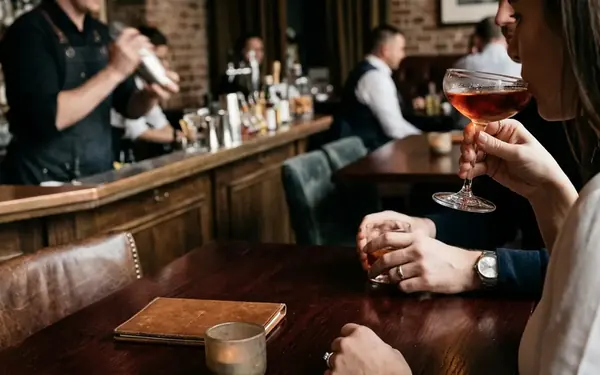
At 5:20 p.m. downtown, a guest steps in before a 7:15 p.m. dinner reservation. She takes a bar seat held back from the first rush, orders the restrained martini and a small seafood snack, and listens while the bartender gives a two-minute note on the vermouth and citrus oil. She closes out without hurry, glances once at the full evening menu, and returns the next week after dark.
Your Thoughts
No comments so far.
Add Your Thoughts