
Houston's Scale Makes Gathering Matter
Houston is big in a way that shapes everything about how its bars build a following. The U.S. Census Bureau 2020 Houston population count put the city at 2,304,580 residents. That is not a neighborhood you can walk. Regular bar guests may live hovering around 20 to 45 minutes apart by car, depending on traffic, the exit they take, and how long service ran the night before.
So gathering is not automatic here. It has to be built.
Cocktail events are one honest answer to that scale. They compress distance by pulling guests, bartenders, chefs, brand educators, and venue teams into the same room for a few hours. The social window is narrow on purpose — often starting near the dinner-adjacent part of the evening, or later when the night leans toward the lounge.
A word on scope. This is an editorial read on hospitality culture, not a census of every event across the city. Think of it as field notes from the room, not a spreadsheet of the market.
Why a Cocktail Event Is More Than a Special Menu
A special menu, on its own, can be passive. It sits on the bar and waits. An event adds the pieces a menu can't supply by itself: a host who is present, a story behind the glass, a reason the timing matters tonight and not next Tuesday.
That is the mechanism. A cocktail event creates a shared occasion — around a drink, a visiting bartender, a seasonal ingredient, or a pairing dinner, and the occasion gives people something to talk about with staff and with each other. The bar stops being a transaction point and becomes a place where a conversation starts.
The forms this takes are familiar to anyone who follows Houston bar culture:
- Guest shifts — a visiting bartender works a short service block with a handful of featured cocktails, enough to explain their choices without turning the bar into a lecture.
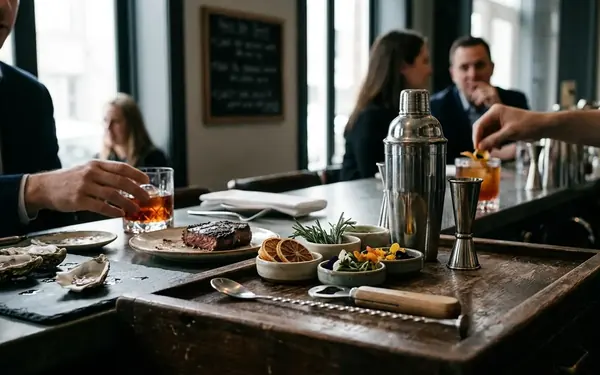
- Cocktail dinners, paced across several courses, with each drink landing shortly before or after a food course depending on whether the pairing is meant to lead the plate, echo it, or reset the palate.
- Spirit tastings that walk guests through a category with context.
- Anniversary parties, pop-ups, and lounge takeovers that hand the room a temporary identity.
Every one of these gives a guest permission to ask a question. That is the whole point.
The Community Signals Guests Actually Feel
You cannot flyer your way to community. A poster that says "a night of connection" proves nothing. What proves it is what a person can sense standing in the room.
Start with arrival. The strongest pattern is a staffed greeting within the first minute or so after someone walks in, followed by a clear handoff to the bar, the lounge, or a host stand. Nobody should have to decode the room alone, wondering whether to sit, order, or wait.
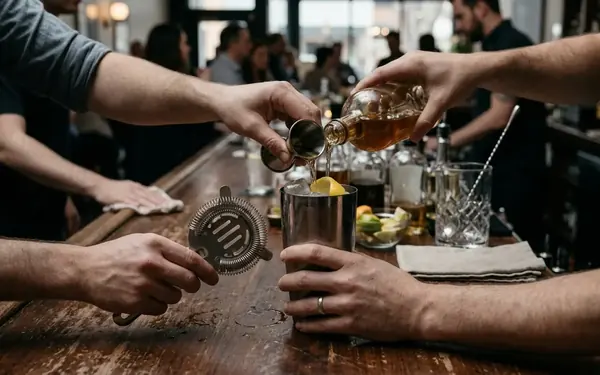
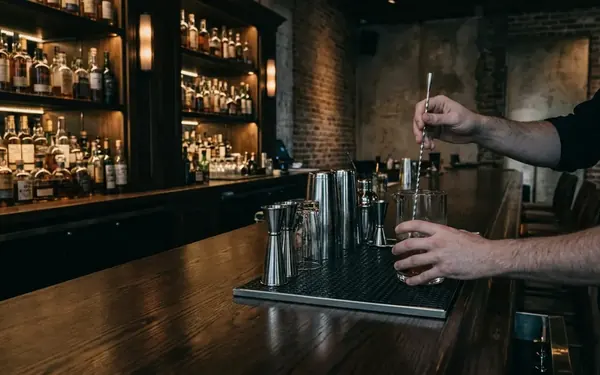
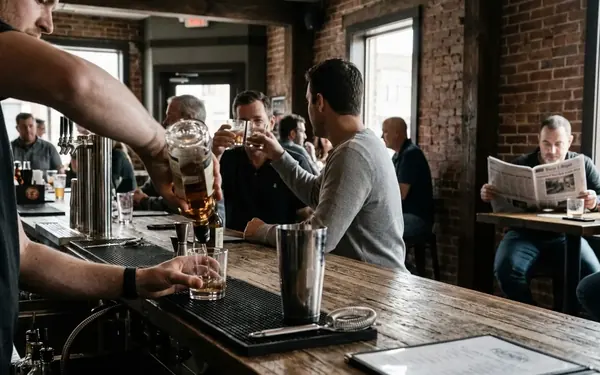
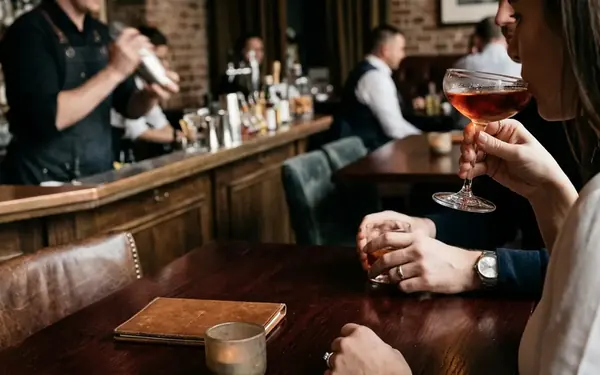
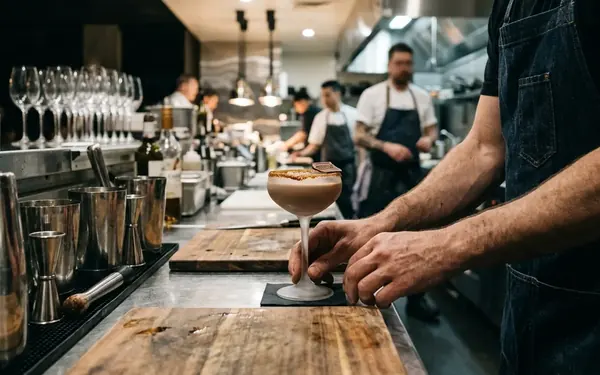
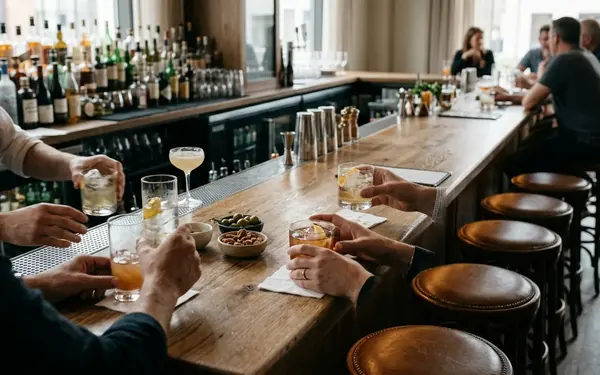
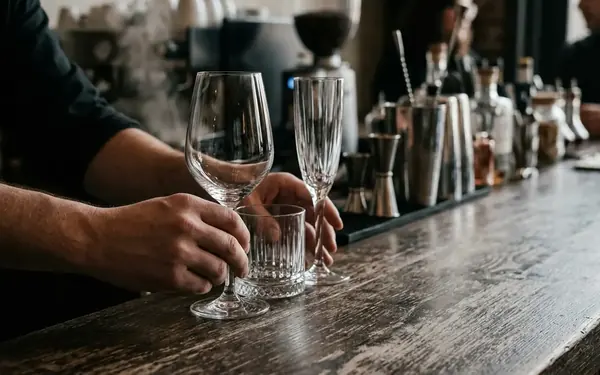
Then the small sensory details do the real work. Glassware lined up on the bar. A printed or table-set menu with a tight featured list — enough variety to compare orders, few enough that decisions don't stall a timed event. The origin of a drink spoken out loud. Two familiar bartenders working side by side and clearly enjoying it. The kitchen pass-through moving. And that unplanned moment when two strangers glance at each other's glasses and start comparing what they ordered.
A quiet Monday guest shift may build more local trust than a packed weekend takeover, because the smaller room lets bartenders introduce guests, explain drinks, and remember who came back the next month.
Note: these signals are strongest in well-hosted, hospitality-led events. They fade fast when the room gets too crowded for staff to explain a drink or recognize a returning face. Density is the enemy of recognition.
What Operators Gain When the Room Is Designed Well
Skip the invented revenue numbers. The real returns for a bar or restaurant are the ones that hold up inside hospitality practice: guests who remember you, staff who become visible, goodwill traded between venues, and networking that outlasts a single night.
A designed room starts before doors open. A pre-service briefing hovering around half an hour is enough to align bartenders, servers, hosts, and kitchen on the featured drinks, the pacing, allergy notes, the nonalcoholic options, and the short version of the story. That alignment saves an hour of confusion later.
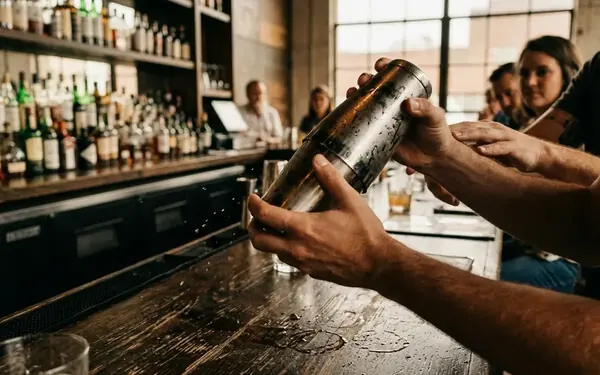
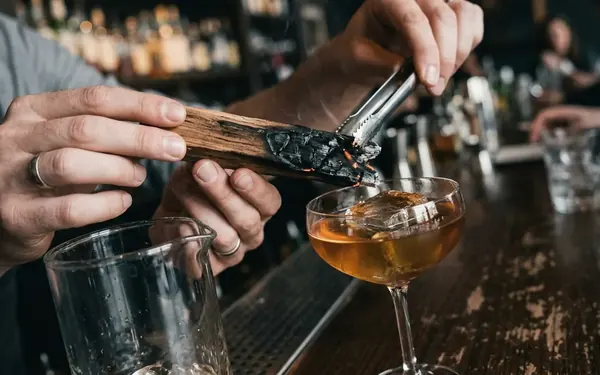
For bartenders, events are a low-stakes testing ground. A controlled menu with a couple of experimental drinks alongside familiar anchors lets someone test a flavor idea without making the whole service feel like a gamble. Guests get to explore; the bar keeps its footing. And a bartender who introduces a spirit responsibly, reads the room, and borrows service rhythms from a visiting peer walks away with a reputation that reaches past one shift.
Brand educators and vendors have a place in this, too — supporting the education and the logistics. But the event still has to feel hosted by the house. The moment it feels outsourced, guests can tell. Support is welcome; ownership is not for rent.
Where Cocktail Events Can Miss the Point
Not every event builds anything. Some quietly do the opposite. They reinforce a wall — through unclear pricing, intimidating language, a guest list that reads as closed, or seating so limited that half the interested crowd never gets in.
Pricing is the most common own-goal. When guests can't tell before arrival whether they're buying a single cocktail, a ticketed tasting, a prix fixe pairing, or a standing-room lounge experience, the uncertainty becomes a barrier long before anyone tastes a drink.
Then there's operational friction, which is less about intent and more about math. Service breaks down when a menu demands too many separate builds per round during peak arrival — especially if that same bartender is also greeting guests, explaining spirits, and running regular tickets. Add excessive noise and an overcomplicated menu, and even a room full of premium ingredients can leave people cold.
Consider the failure that looks like a success from the outside: a crowded tasting, top-shelf everything, and guests waiting shy of half an hour for a first drink while never hearing why the menu exists. The photos will look great. The community won't form.
The editorial stance here is conservative on purpose. Community depends on repeatable hospitality, not spectacle. Spectacle draws a crowd once. Hospitality brings it back.
How Houston Can Build Better Cocktail Events
The fix is less ambitious than it sounds, which is exactly why it works. Smaller, recurring collaborations beat one enormous night. A sustainable format can run every month or two — often enough that guests remember it, rare enough that bar prep, kitchen, and staff don't get diluted.
Clarity does a lot of quiet lifting. An accessible event description should tell guests, in a few plain-language details, what they're walking into before they commit: arrival window, seating style, expected duration, drink format, food availability, and nonalcoholic options. No decoding required.
A few more habits separate the good rooms from the forgettable ones:
- Set an arrival window people can actually make after work or traffic.
- Treat nonalcoholic drinks as real menu items, not an afterthought poured under protest.
- Brief the whole team before service so every guest hears the same story.
- Keep the featured list tight so staff can explain it and still keep pace.
The strongest events make a guest feel invited into Houston's bar culture, not merely sold a limited-time drink. That feeling is built through recognition and return, not through a single loud night.
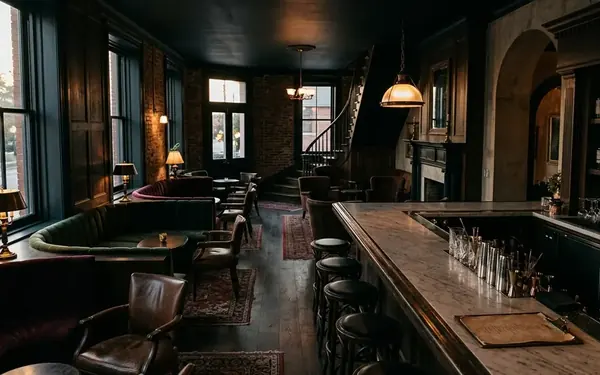
So here is the recommendation, plainly: build the recurring, hospitality-led gathering. Pick a night, keep the room small enough that your bartenders learn faces, and run it again about six weeks later. The takeover that trends for one evening is fun. The Monday shift where the bartender remembers your last order is how a city this size actually knits itself together — one returning guest at a time. Bet on the return.
Your Thoughts
No comments so far.
Add Your Thoughts